
Level 1 sweep and inspection to the NFPA 211 annual standard - flue, crown, cap, and flashing checked and photographed
Chimney sweep logs do not sweep chimneys. They loosen some creosote - which then falls where a brush and vacuum still have to collect it.
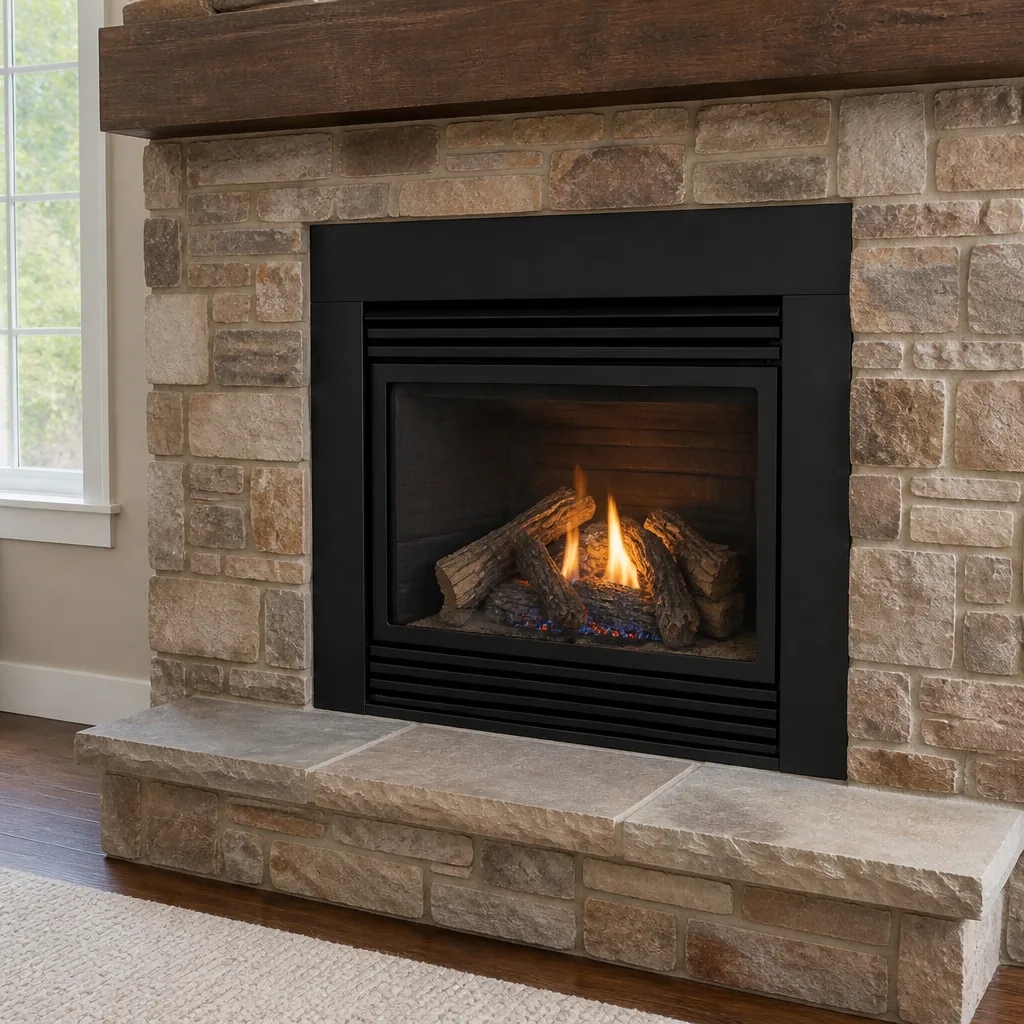
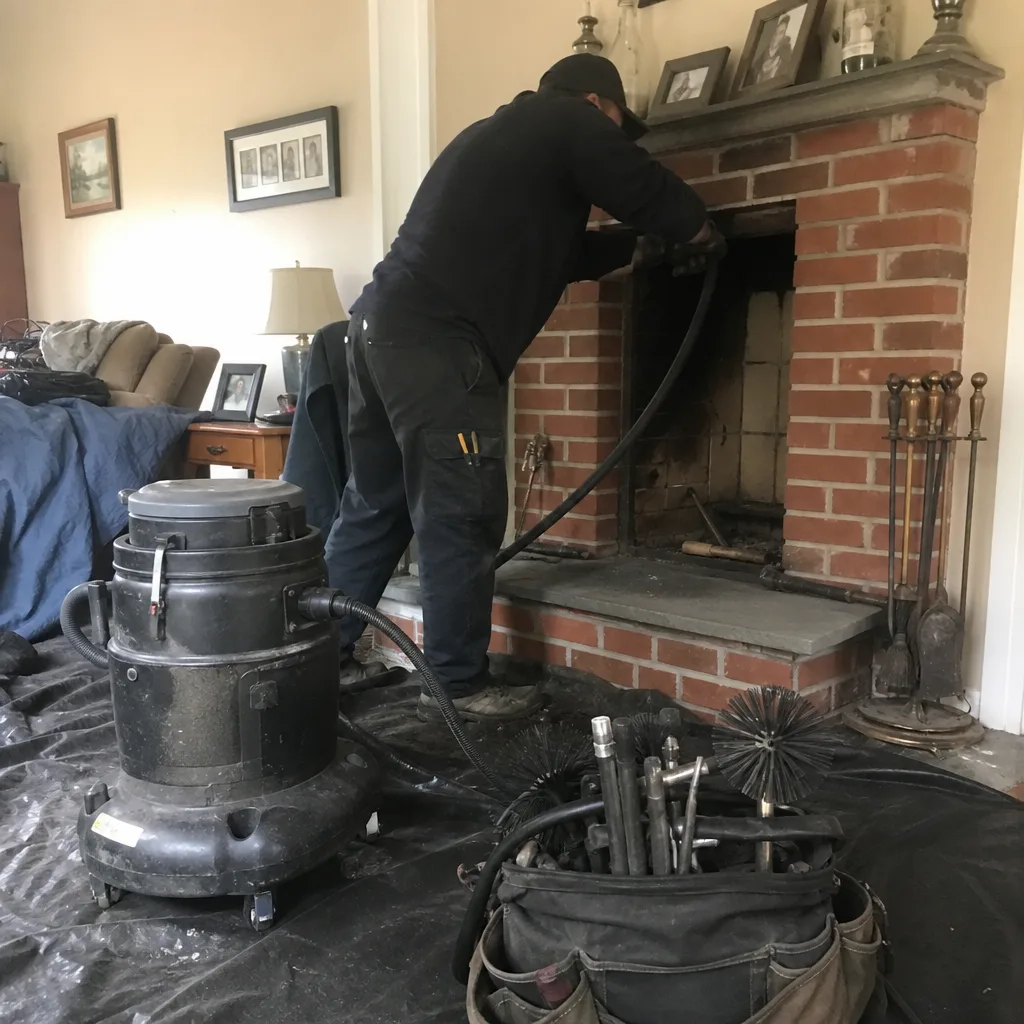 Before
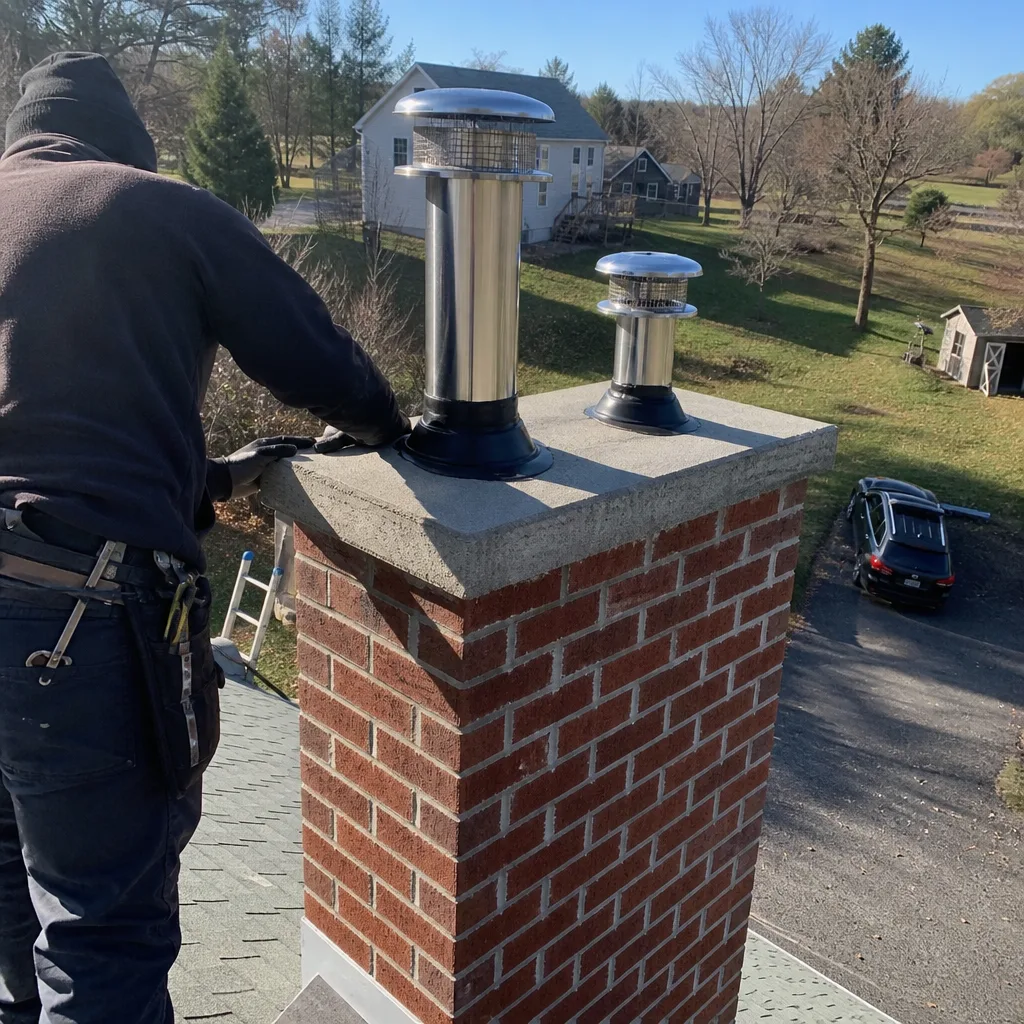 After
After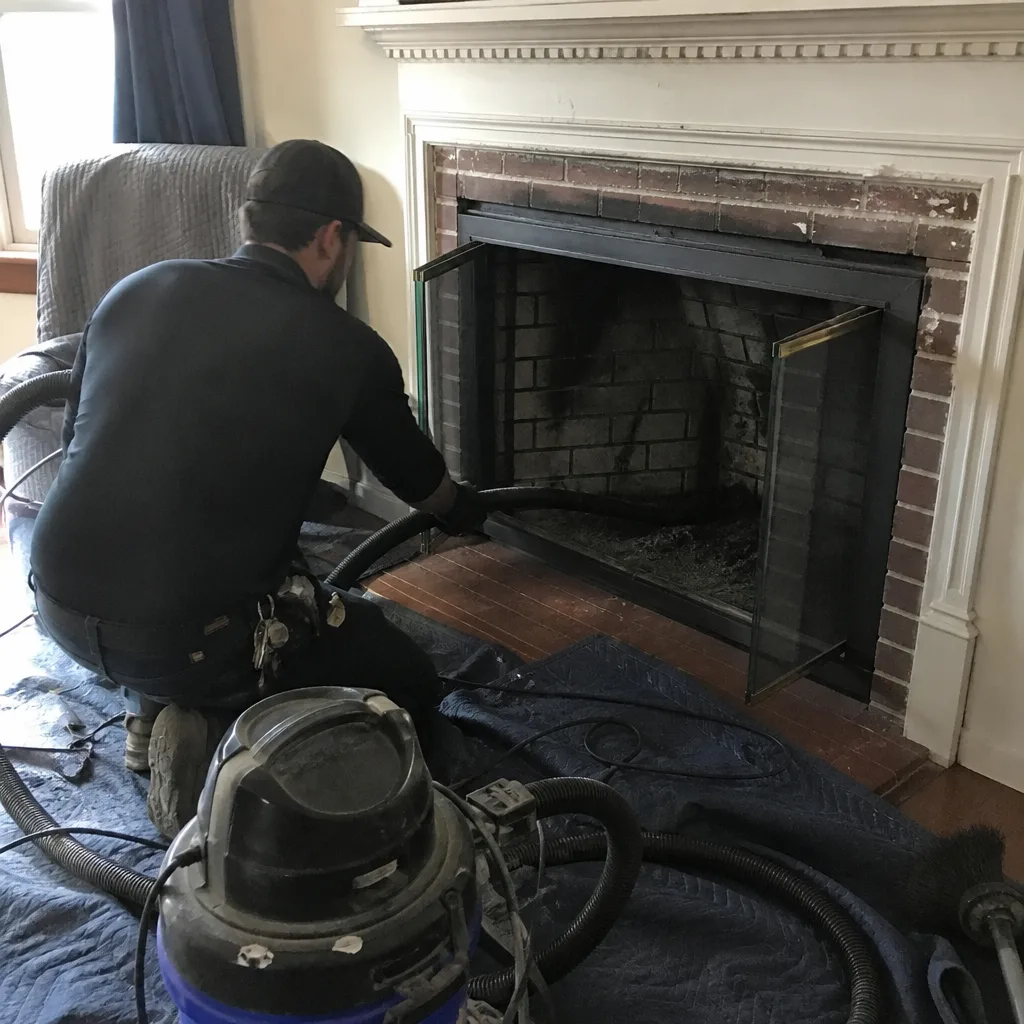 Before
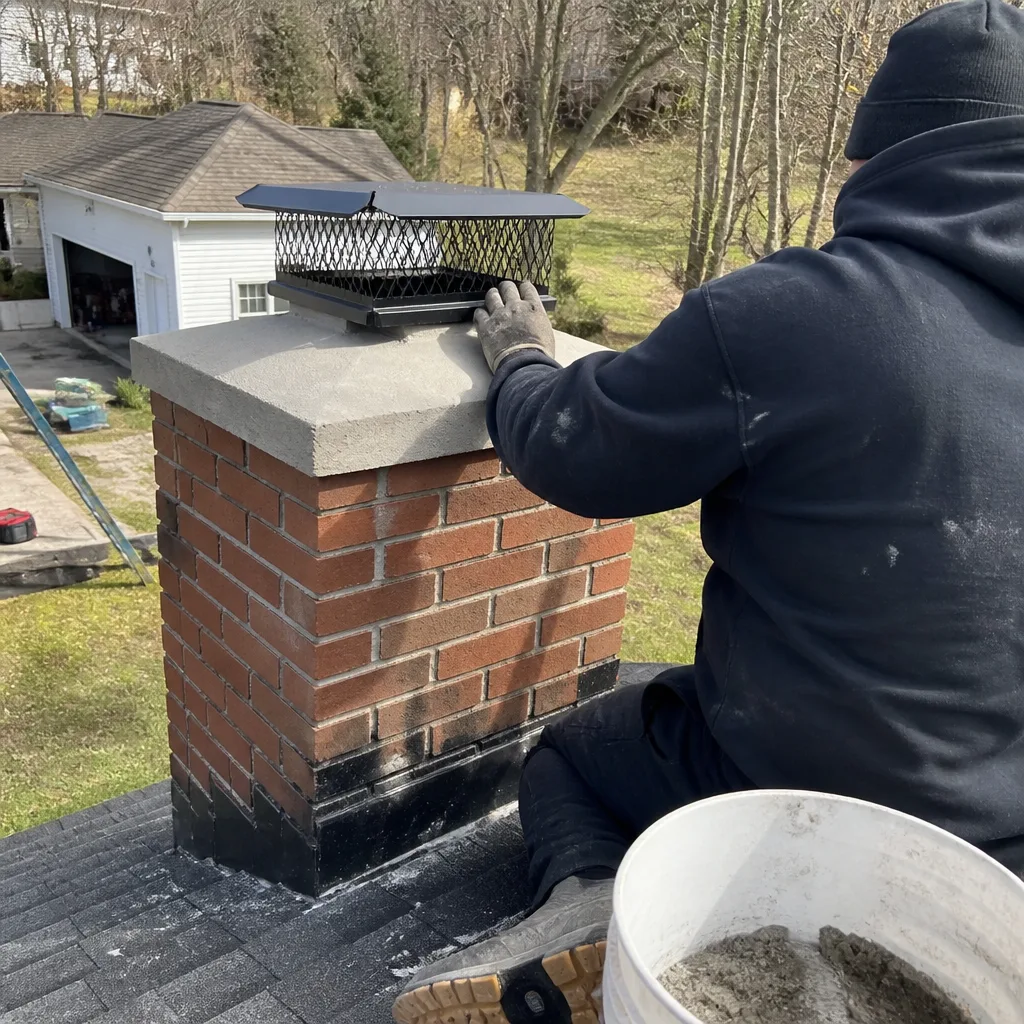 After
After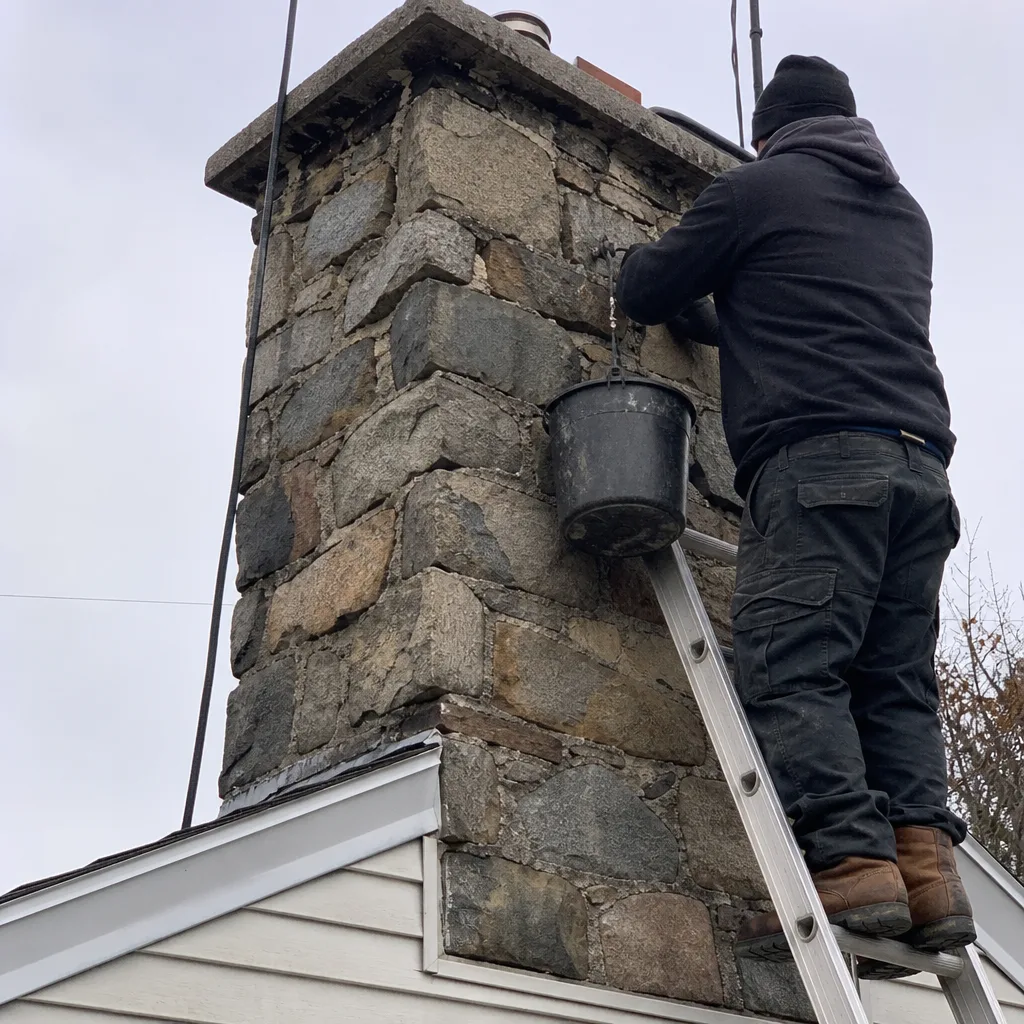 Before
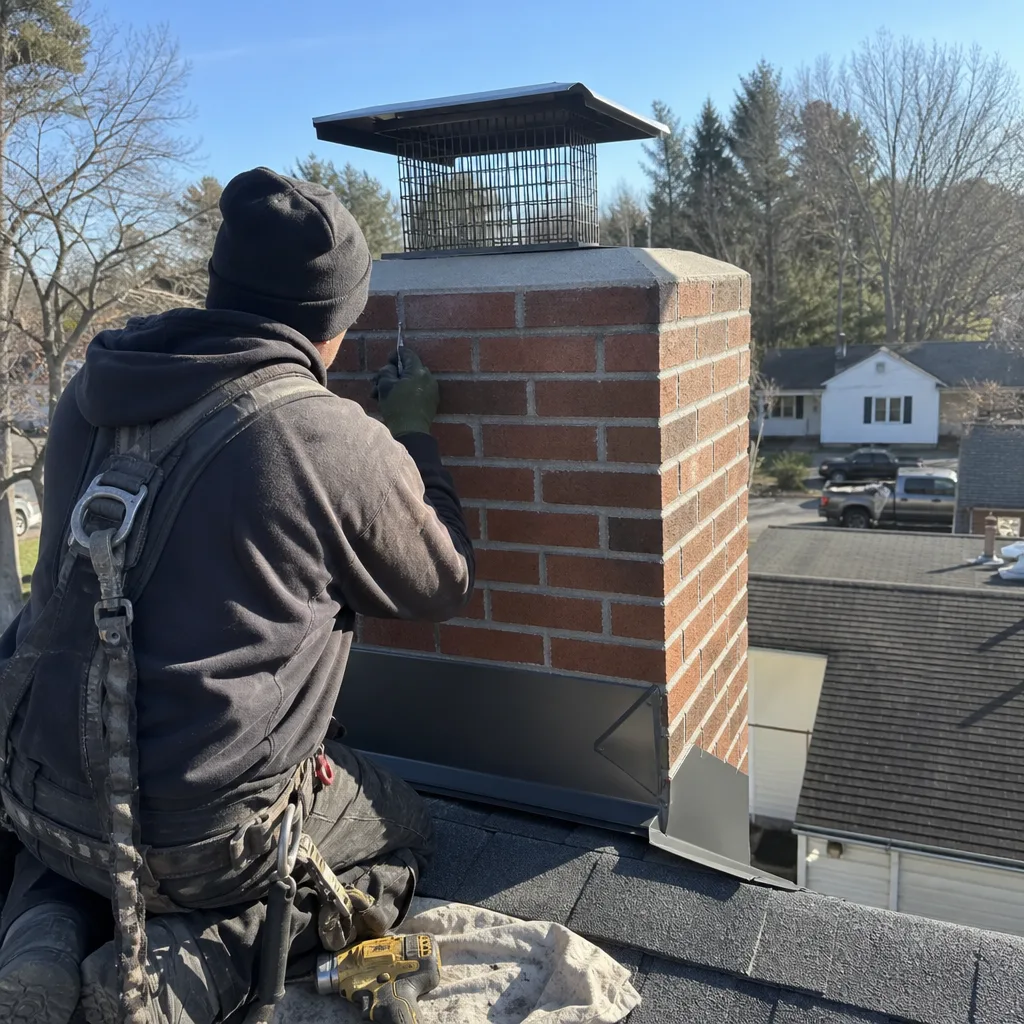 After
AfterOlympia Chimney Flue Liner Replacement: The Torrington Owner’s Guide
An Olympia Chimney flue liner replacement in Torrington typically runs $1,800 to $3,400 installed, depending on liner length, diameter, and whether we’re doing a straight swap or addressing damage to the chimney structure itself. We stock Olympia Chimney-compatible liners in the most common sizes on the truck, so in many cases the whole job is done in a single visit. Most Torrington homeowners discover their liner has failed after noticing flaky rust-colored bits in the firebox, a sudden draft problem, or a sweep like me putting a camera up there and showing them exactly what’s come apart.
Your flue doesn’t care how the fire looks. It cares how it breathes. A liner that’s split, pitted, or collapsed is no longer doing its one job: keeping combustion gases moving up and out instead of leaking into the spaces between the flue and the chimney walls.
Which Olympia Chimney Models This Applies To
Olympia Chimney makes a full line of stainless steel liners, appliance connectors, and relining kits, and we install and service all of it. The most common units we see in Torrington homes are the Olympia Ventis rigid liners (double-wall and flex), their flex relining kits sized for wood stoves, oil furnaces, and gas appliances, and their Olympia appliance connectors that tie stoves and inserts into the flue.
Here’s the compatibility gotcha most people miss: the liner isn’t matched to a stove brand. It’s matched to the appliance’s BTU output, the flue diameter it requires, and the fuel type. A wood stove that calls for a 6-inch liner needs a 6-inch liner rated for wood-burning temperatures, no matter whose name is on the stove itself. Ventis liners carry a UL listing for specific temperature classes. Get that wrong and you’ve either got a liner that can’t handle the heat or one that drafts so poorly the stove never burns right.
We also keep Olympia Chimney’s aftermarket-compatible options in mind. Olympia is the brand that’s already on your chimney, but there are quality equivalents from DuraFlex and HeatShield that we carry and install too, when an OEM part isn’t the best value or the best fit. But when the original liner is Olympia and the homeowner wants exactly that, we get it and we match it.
Top Hat Chimney is an independent local shop, not affiliated with Olympia Chimney itself. That matters in your favor: we’ll tell you when the Olympia part is the right call and when another brand does the same job for less money. If it doesn’t need doing, I’ll tell you that too.
Signs Your Olympia Chimney Flue Liner Replacement Is Failing
- Flaking or peeling stainless steel in the firebox. When a liner starts to delaminate or corrode, small metallic flakes drop down and land where you can see them. It looks like glitter, except it means the liner’s inner wall is breaking down.
- Sudden draft problems or smoke backing up. A liner that’s partially collapsed or badly warped changes the flue’s internal shape, and the draft goes with it. You’ll notice the stove is harder to light and the room smells like smoke more often.
- Creosote buildup coming back fast. A smooth, intact liner still collects creosote, but a pitted or rough one collects it three times faster. If you’re brushing more often than you used to, the liner surface is likely the cause.
- Rust streaks or staining on the chimney exterior. When a liner fails, moisture that would normally vent upward starts condensing inside the masonry instead. That water works its way out and leaves brown or rust-colored stains on the chimney face.
- A visible crack, gap, or separation on the liner itself. If Wendell has already put a camera up and shown you footage, you’ve seen it. A gap at a seam or connector is a direct path for flue gases into your chimney chase.
None of these are cosmetic. A compromised flue liner is the single most common cause of chimney fires in Torrington and everywhere else in Litchfield County.
Replacement Cost & What’s Included
Here’s the straight pricing picture for Torrington. A basic 6-inch flexible stainless liner in a short, single-story chimney usually lands between $1,800 and $2,200 installed. A taller two-story chimney with a rigid liner and extra components pushes toward $2,600 to $3,400. If the old liner has to be chipped out of a poured concrete flue, the labor goes up; if the chimney crown or cap is damaged too, that’s additional work in the same visit.
- 6-inch flex liner, short run: $1,800 to $2,200
- 6-inch flex liner, two-story: $2,300 to $2,700
- Rigid or insulated liner systems: $2,600 to $3,400
- Chimney cap replacement (if needed): $150 to $350
- Camera inspection and photo report: included with the job
You get the number before we open the truck. On a flue liner replacement, Wendell walks the whole job with you first, and the quote includes the liner, connectors, insulation if required, the installation, the camera verification run, and the 90-Day Done Right Promise in writing. If something isn’t right three months from now, one call brings us back. No invoice adjustment, no argument.
DIY or Call Us?
What you can safely do yourself: look for fallen flake material in the firebox, check for obvious rust staining on the chimney exterior, and call us to schedule a camera inspection if you see either one. Those five minutes of checking cost you nothing and give you a real starting point.
What you should not attempt: pulling and replacing a flue liner yourself. You’re working on a roof, often in Torrington weather, reaching into a chimney that may be hiding tile damage, creosote glaze, or structural problems you can’t see from a ladder. Dropping a stainless liner down a flue seems simple until it snags on a broken tile mid-drop and you’re stranded. And if the flue gases from a wood stove are already leaking into the walls, the clock is ticking while a homeowner figures out fittings and codes.
This is one we recommend leaving to a sweep who does it every week. Call (860) 744-2656 and Wendell will bring the camera, give you a straight answer, and show you the footage either way.
FAQs
A stainless steel Olympia liner installed and maintained properly in Connecticut typically lasts 15 to 25 years, though wood-burning service, wet Connecticut winters, and frequent hot/cold cycles in Litchfield County shorten that to the low end if the chimney isn’t inspected regularly. The freeze-thaw abuse our chimneys take is the biggest lifespan killer beyond fuel type. Call (860) 744-2656 for a camera inspection if yours is past the ten-year mark.
Sometimes, yes. If the damage is a small gap at a seam or a single failed section, a targeted patch or connector replacement can buy you years, but you need camera footage to know if that’s actually the case. Once pitting or corrosion is widespread, patching is throwing money at a liner that will fail again. We’ll show you the video and let you decide with the evidence in front of you.
A typical Olympia Chimney flue liner replacement on a single-story Torrington chimney takes one day, often four to six hours from setup to final camera verification. Two-story homes or jobs requiring masonry repair around the flue may run into a second day.
We keep common Olympia-compatible sizes, especially 6-inch flex kits, on the truck at all times. Odd sizes, rigid systems, or insulated liner runs sometimes require a day or two for the specific components to arrive from our supplier. Wendell will tell you before you book which category yours falls into.
Written by Wendell Pike, Owner, Top Hat Chimney at Top Hat Chimney, serving Torrington and nearby areas.