
Level 1 sweep and inspection to the NFPA 211 annual standard - flue, crown, cap, and flashing checked and photographed
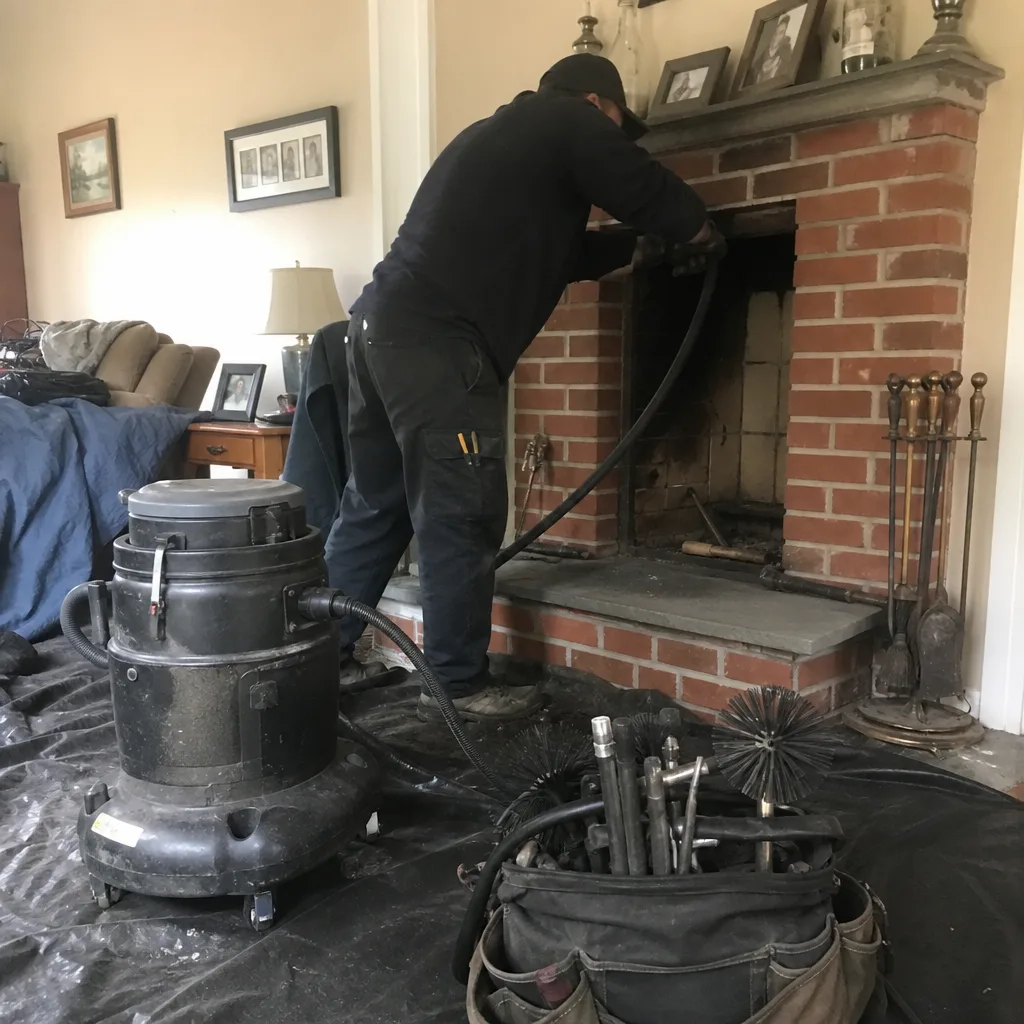
Chimney sweep logs do not sweep chimneys. They loosen some creosote - which then falls where a brush and vacuum still have to collect it.
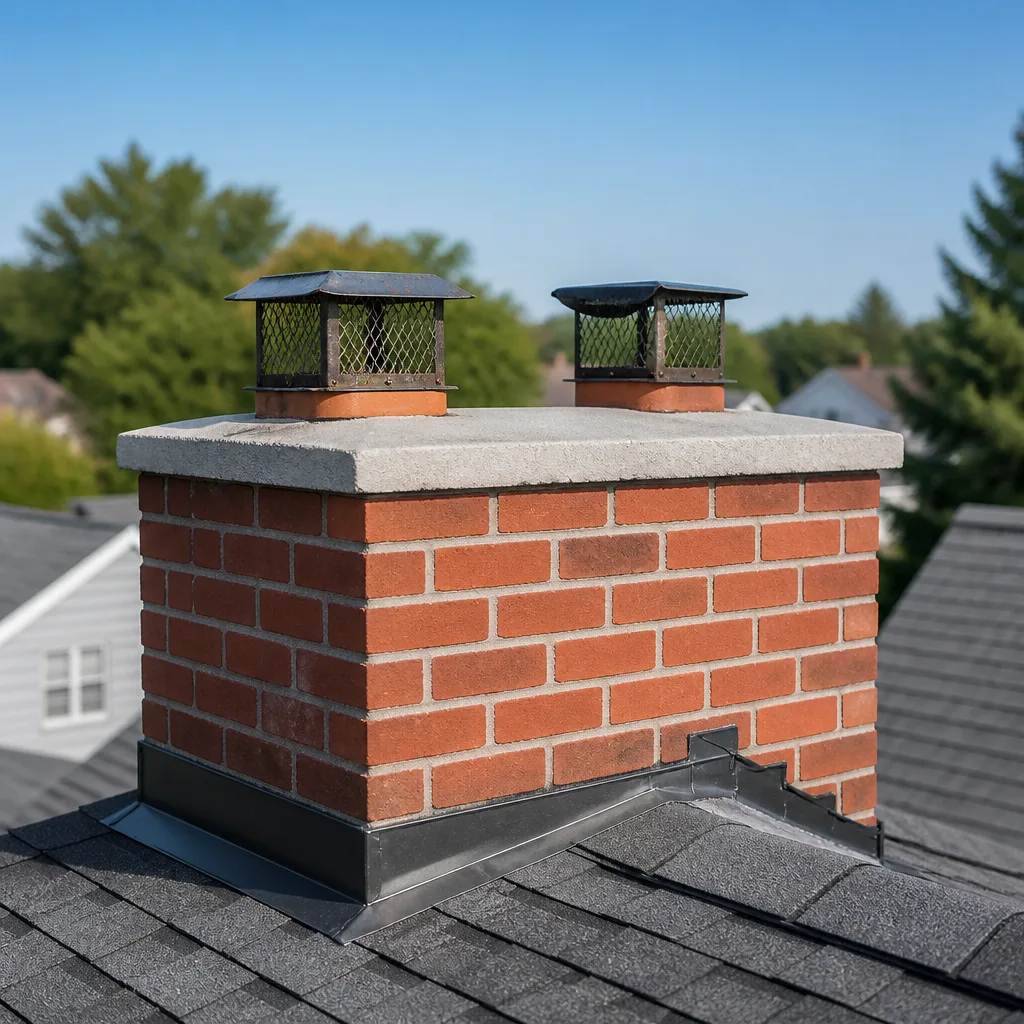
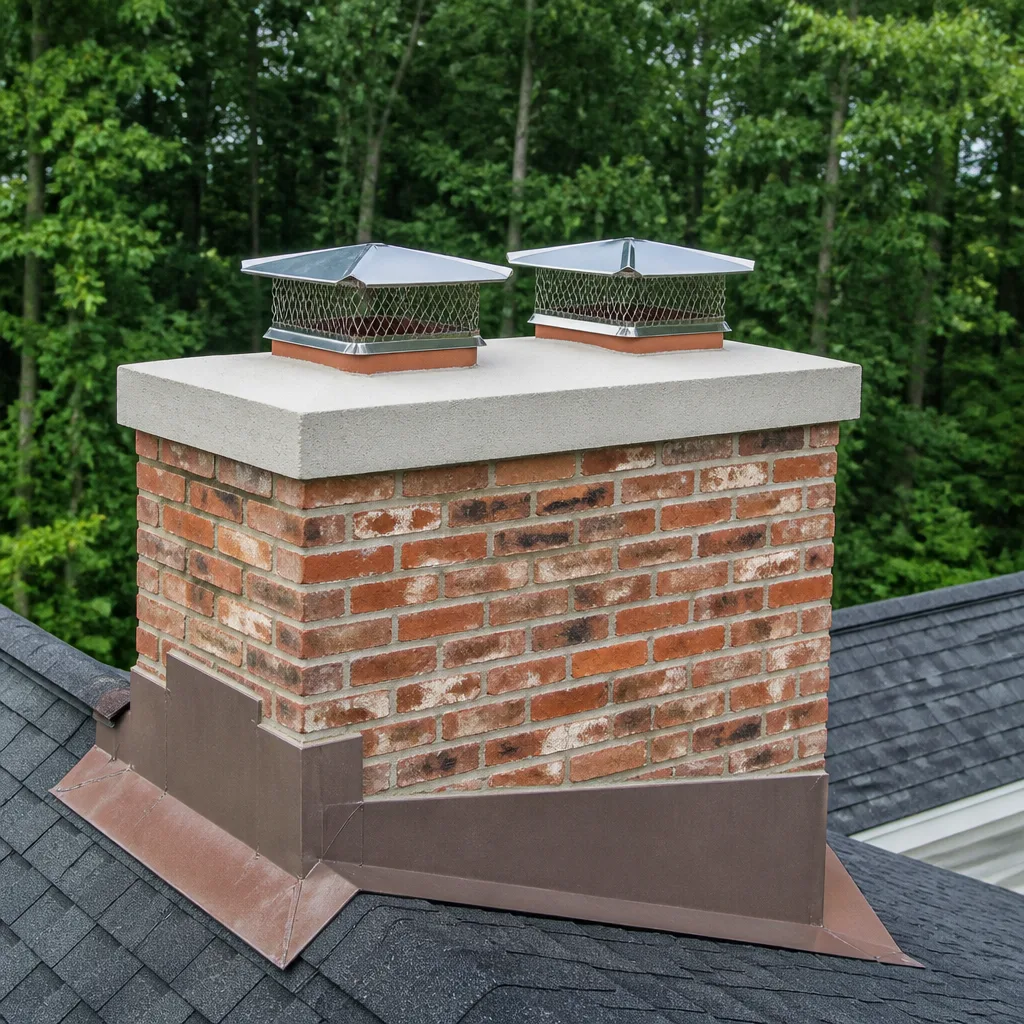
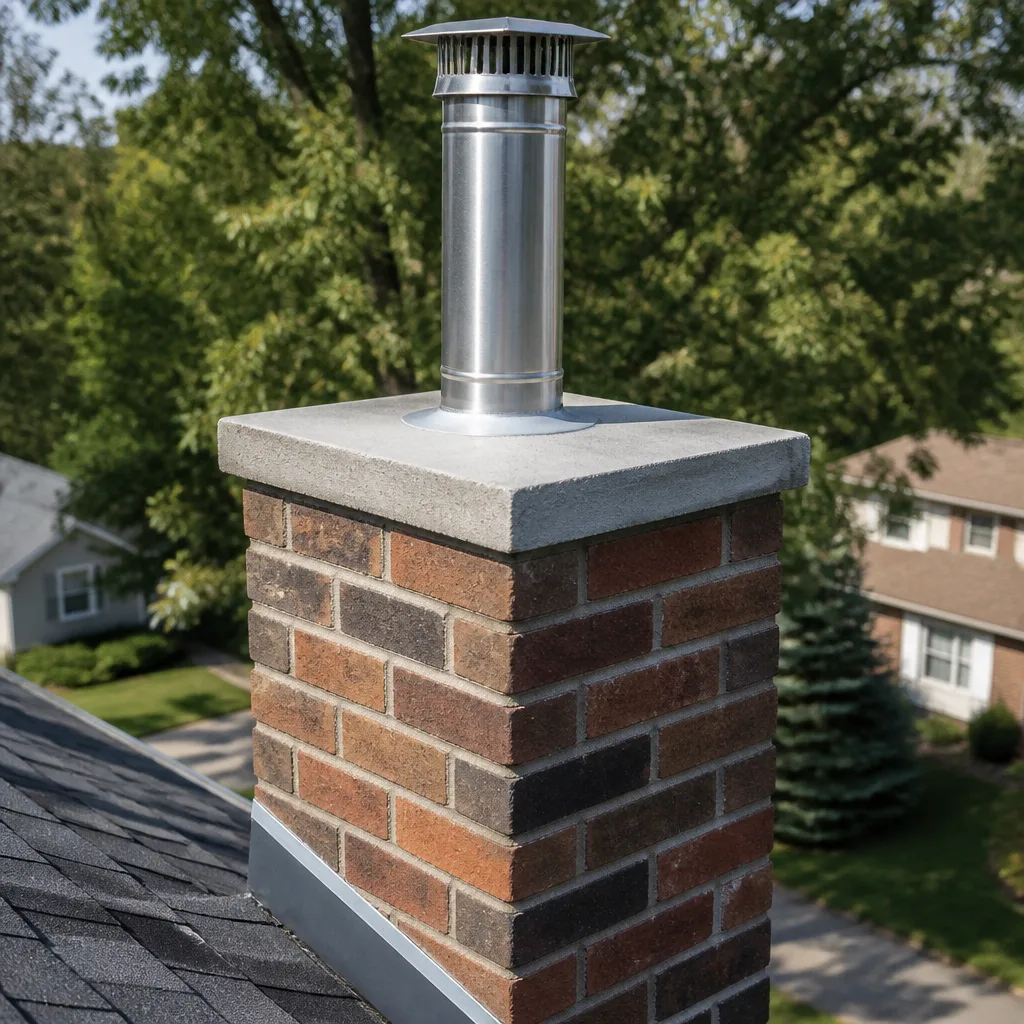
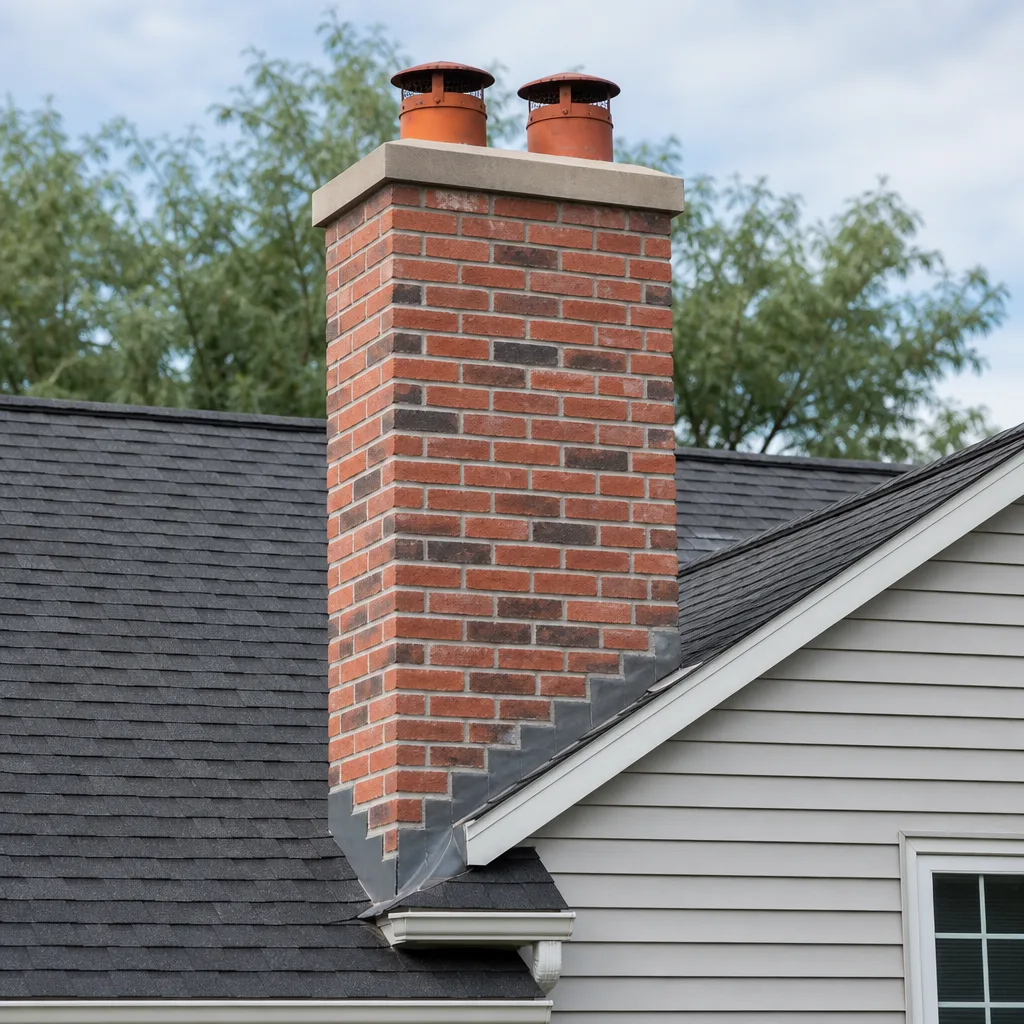
 Before
 After
After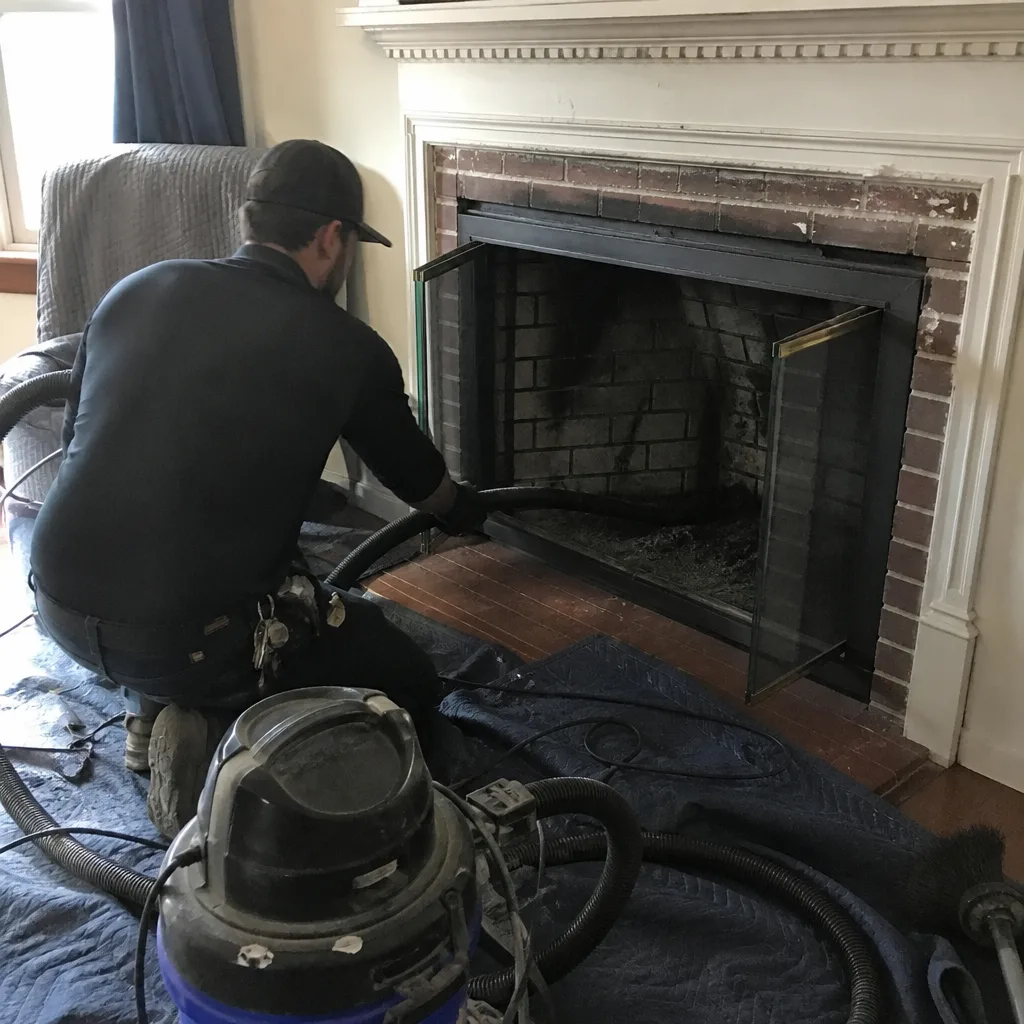 Before
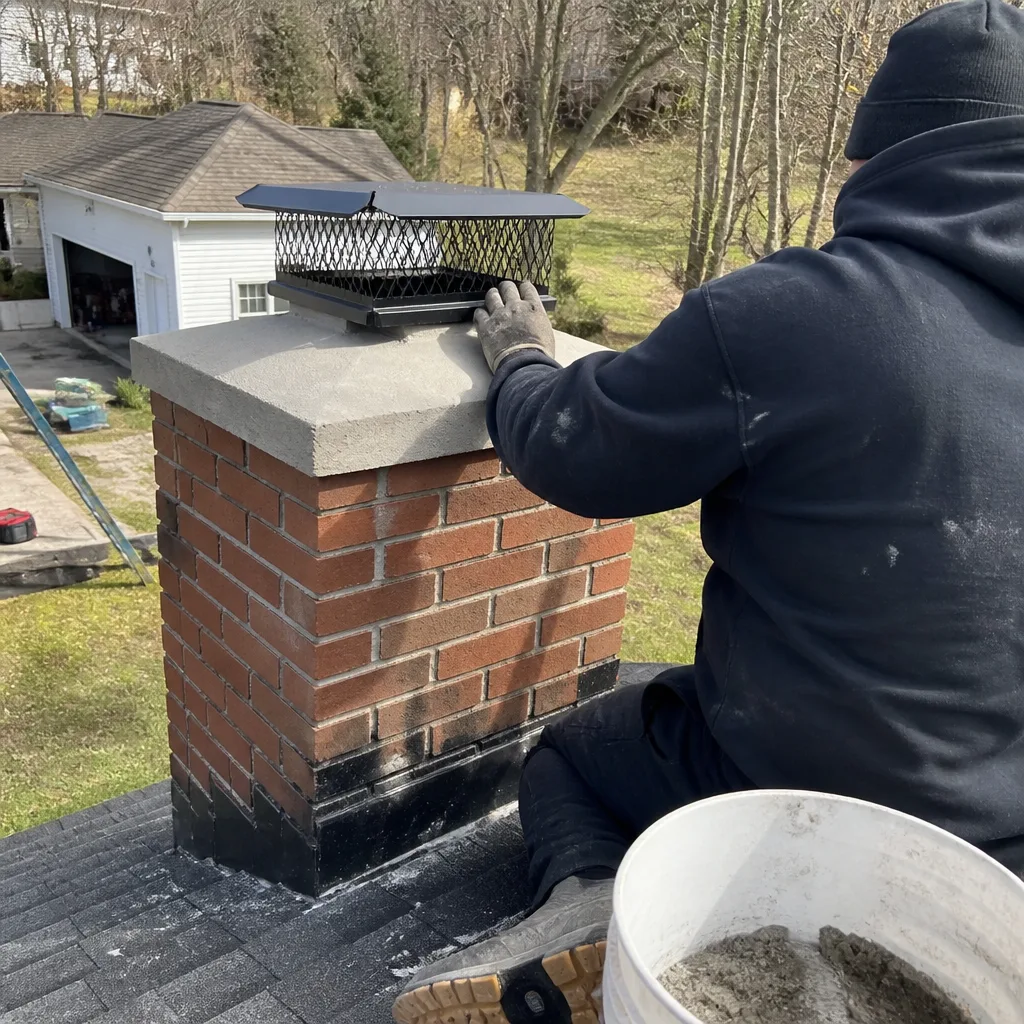 After
After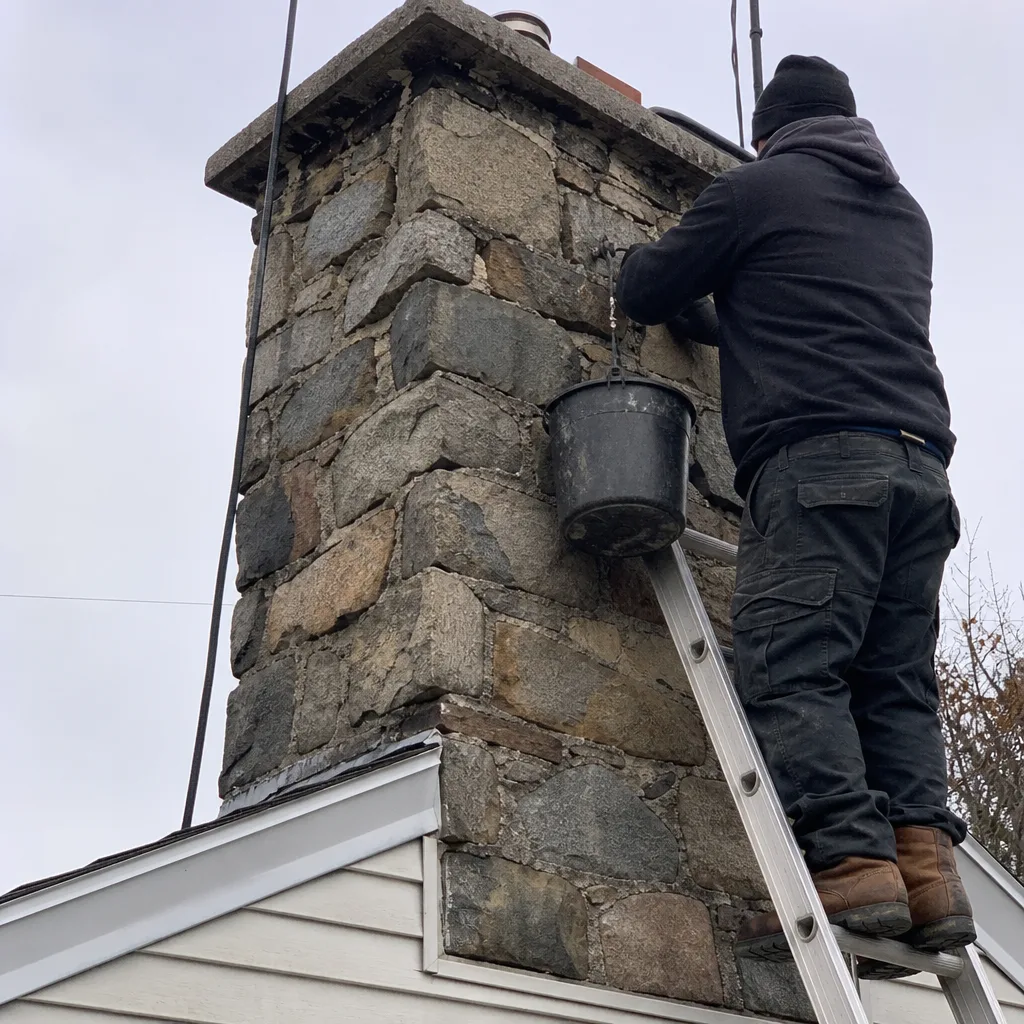 Before
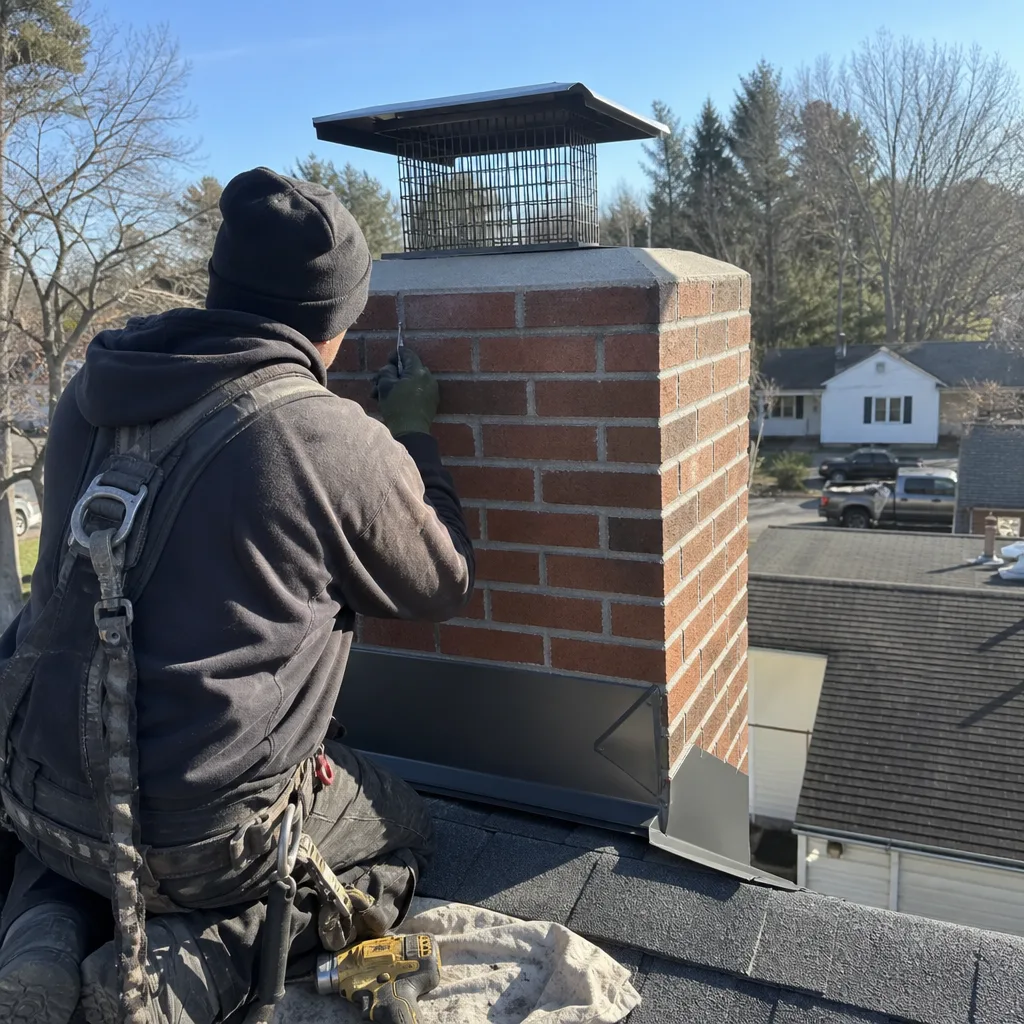 After
AfterHeatShield Crown Repair: The Torrington Owner’s Guide
HeatShield crown repair in Torrington typically runs between $400 and $900 installed, depending on how much of the existing crown is salvageable and whether we’re sealing cracks or rebuilding the whole thing. We stock HeatShield-compatible crown sealant and repair materials on the truck, so most Torrington jobs are done in a single visit. The way most folks find out their crown has failed is simple: they spot a crack from the ground, or water starts staining the ceiling near the chimney.
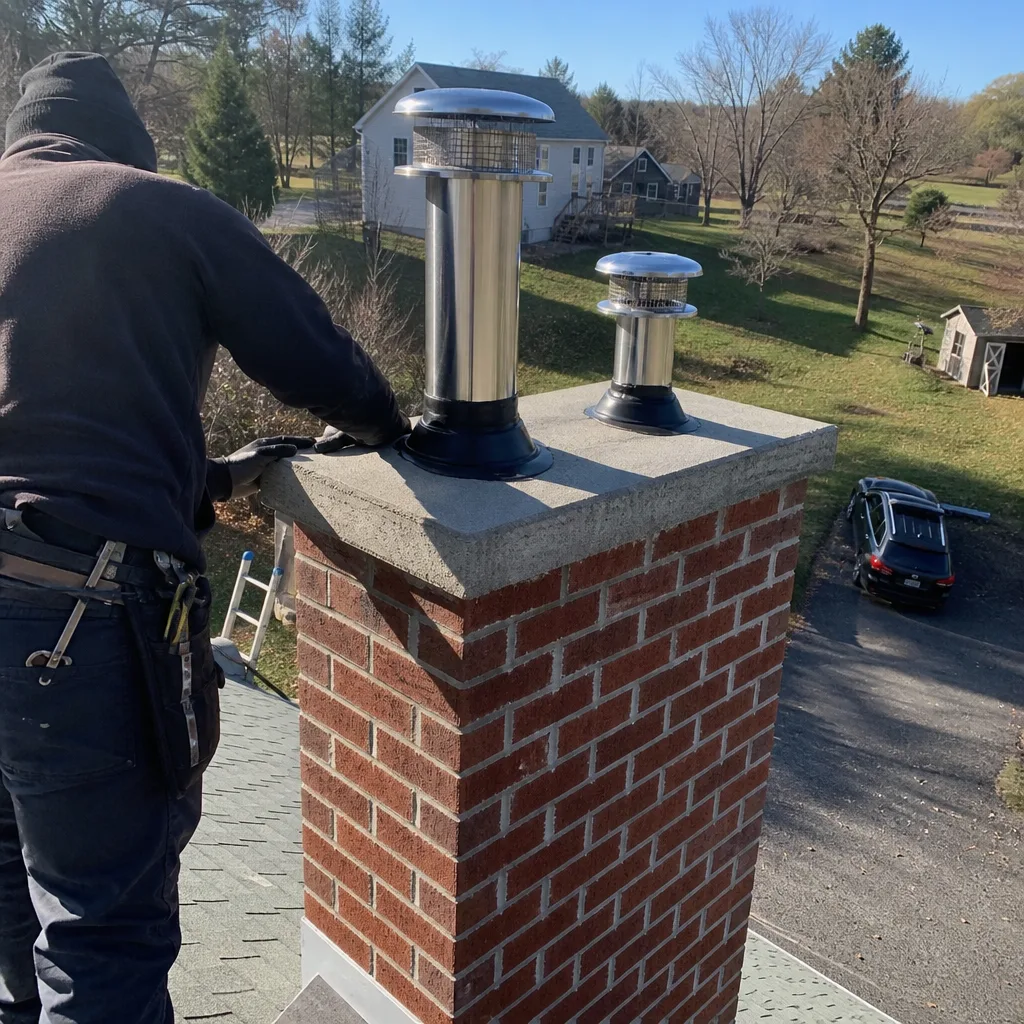
The crown is that concrete or mortar slab sitting on top of the chimney, the one that’s supposed to shed water away from the flue. HeatShield specifically refers to a ceramic-based sealer system, but the crown repair part of the job is the masonry work underneath it. When the crown cracks, water gets behind the HeatShield coating and freezes. Connecticut winters do the rest. In Torrington we get maybe 50 to 60 freeze-thaw cycles a year, and every one of them works on that crack like a wedge. That’s why a crown that looked fine in September is crumbling by March.
Top Hat Chimney is an independent service provider, not affiliated with HeatShield. But Wendell Pike has worked with their products long enough to know what holds up in Litchfield County weather and what doesn’t.
Which HeatShield Models This Applies To
HeatShield doesn’t make a separate crown product the way they make flue liners. What homeowners call “HeatShield crown repair” is usually one of two things: either the HeatShield CeaseFire crown sealer applied over repaired masonry, or a standard crown rebuild that gets HeatShield’s water repellent treatment afterward. Both show up on the same work order, which is where the confusion starts.
The compatibility question comes down to what’s already on your chimney. If the original installer used HeatShield’s JTF (Joint Repair) mortar or CeaseFire crown coat, you can reapply the same product over the repair without stripping the old surface. The older HeatShield systems from before 2015 were solvent-based and have since been replaced by water-based formulas. You can’t layer the new water-based sealer over the old solvent-based coat without wire-brushing the old surface down first. We check that before we quote, because skipping it means the new coat peels off like sunburned paint within two seasons.
For the masonry underneath, we stock the same class of hydraulic cement and flexible crown sealant that matches what HeatShield specs recommend. If you have a brick chimney with an overhanging concrete crown, you want a flexible sealant that moves with the masonry. A rigid patch just re-cracks. Gotcha number one: if your crown doesn’t overhang the brick by at least two inches, water runs straight down the face of the chimney no matter what you coat it with. That’s a rebuild, not a reseal.
Signs Your HeatShield Crown Repair Is Failing
- Hairline cracks visible from the ground. These start small but they’re not cosmetic. Water sits in them, freezes overnight, and widens them. In Torrington’s freeze-thaw season, a hairline crack becomes a real crack in one winter.
- Flaking or peeling on the crown surface. That’s the old sealer letting go. Once it starts peeling, water is getting under the remaining coating and the clock is running on more expensive damage below.
- Water stains on the ceiling or walls near the chimney. By the time you see interior staining, water has already traveled through the crown, down the flue or the chimney structure, and into the house. This is no longer a small job.
- Efflorescence on the exterior brick. White chalky deposit on the brick face means water is moving through the masonry and carrying salts out with it. It’s a slow-motion warning that the crown isn’t shedding water the way it should.
- Spalling brick near the top of the chimney. When brick faces pop off and leave the soft inner clay exposed, that’s freeze damage working its way downward. Crown repair alone won’t fix it, but it stops the water that caused it.
If it doesn’t need doing, I’ll tell you that too. Sometimes a crown has a cosmetic crack that hasn’t opened up yet, and the right call is to monitor it for a season. But most Torrington chimneys we see with these symptoms are past the wait-and-see point.
Replacement Cost & What’s Included
In Torrington, plan on these numbers:
- Crown reseal with HeatShield-compatible flexible sealant: $400-$550. Includes cleaning, crack filling, and a full top-coat application.
- Crown rebuild (forms, new concrete, proper overhang, then sealant): $650-$900. Includes removing the old crown, forming a new one with correct drip edge, and finish coating.
- Full top-end job if the flue tiles or HeatShield liner are also shot: $1,200-$2,200. Crown repair can’t sit on a failing liner and be expected to hold up.
The spread comes down to chimney height, accessibility, and how much of the old crown is still structurally sound. We give you the number before work starts, and that’s the number on the invoice. No surprises, no “we found more damage” phone call that doubles the price. The repair carries the 90-Day Done Right Promise in writing: if it’s not right, one call brings Wendell and his crew back to make it right. The materials themselves, HeatShield included, have their own manufacturer warranty that we’ll walk you through in plain English.
DIY or Call Us?
If you can safely get on the roof and you just want to check the crown, go look at it. Cracks wider than a nickel, missing chunks, or a crown that doesn’t overhang the brick are all things you can spot yourself. Checking is free and I’ll never fault anyone for looking.
The repair itself is roof work, on a ladder, at height, sometimes in awkward spots. A crown rebuild means hauling materials up, working over an open flue, and getting the slope and drip edge right so water actually sheds. Get that slope wrong and you’ve made the problem worse while standing on a roof. We also carry the right class of materials and know which HeatShield product will bond to what’s already up there. One wrong sealant choice and you’re doing this again in three years. If you want us to do it, call (860) 744-2656 and we’ll give you a straight answer on cost before anything gets scheduled.
FAQs
A properly done crown repair with a flexible sealant lasts 10 to 15 years in Torrington’s climate, assuming the crown has proper overhang and the flue below it is in good shape. A cheap rigid patch job can crack again within two winters. Call (860) 744-2656 and we’ll tell you honestly what yours is likely to do.
Yes, hairline cracks and small surface damage can usually be routed out and filled with flexible sealant without a rebuild. If the crown is crumbling, has no overhang, or is cracked in multiple places, a rebuild is the honest answer. We’ll show you camera footage so you can see it yourself before you spend a dollar.
Most Torrington crown reseals are done in two to three hours, including setup and cleanup. A full crown rebuild typically takes four to six hours because the new concrete or mortar crown needs time to set before we apply the finish coat. Either way, it’s a single-day job in most cases.
Yes. We carry HeatShield-compatible crown sealant, flexible crack filler, and the hydraulic cement we use for rebuilds. If your chimney needs something outside the standard range, we’re also a stocking dealer for DuraFlex and Gelco products and can get the right material ordered within a few days.
If your crown’s showing cracks or you’re seeing water where it shouldn’t be, call Top Hat Chimney at (860) 744-2656 for a free estimate. Wendell will look at it, tell you straight what needs doing and what can wait, and put the price in writing before anything comes off the truck.
Written by Wendell Pike, Owner, Top Hat Chimney at Top Hat Chimney, serving Torrington and nearby areas.