
Last updated September 10, 2026
Level 1 sweep and inspection to the NFPA 211 annual standard - flue, crown, cap, and flashing checked and photographed
Chimney sweep logs do not sweep chimneys. They loosen some creosote - which then falls where a brush and vacuum still have to collect it.
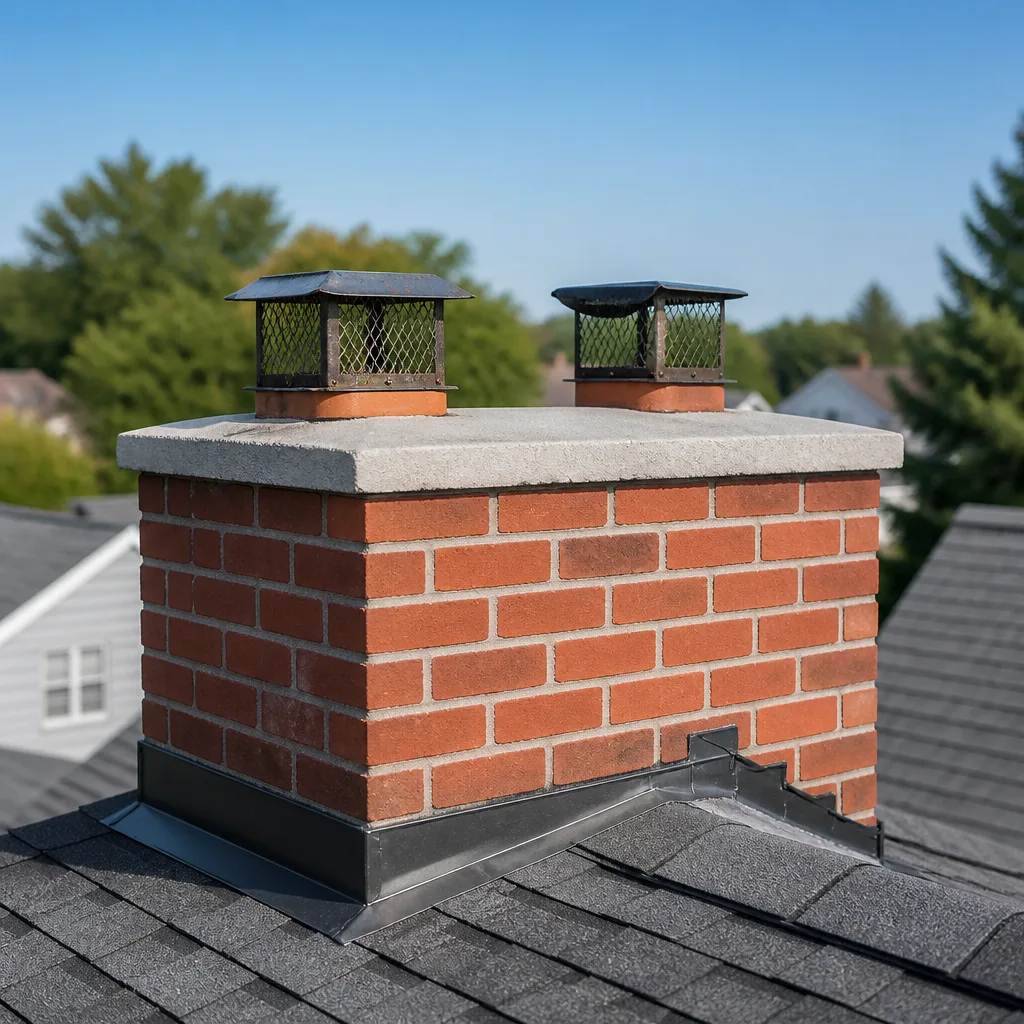
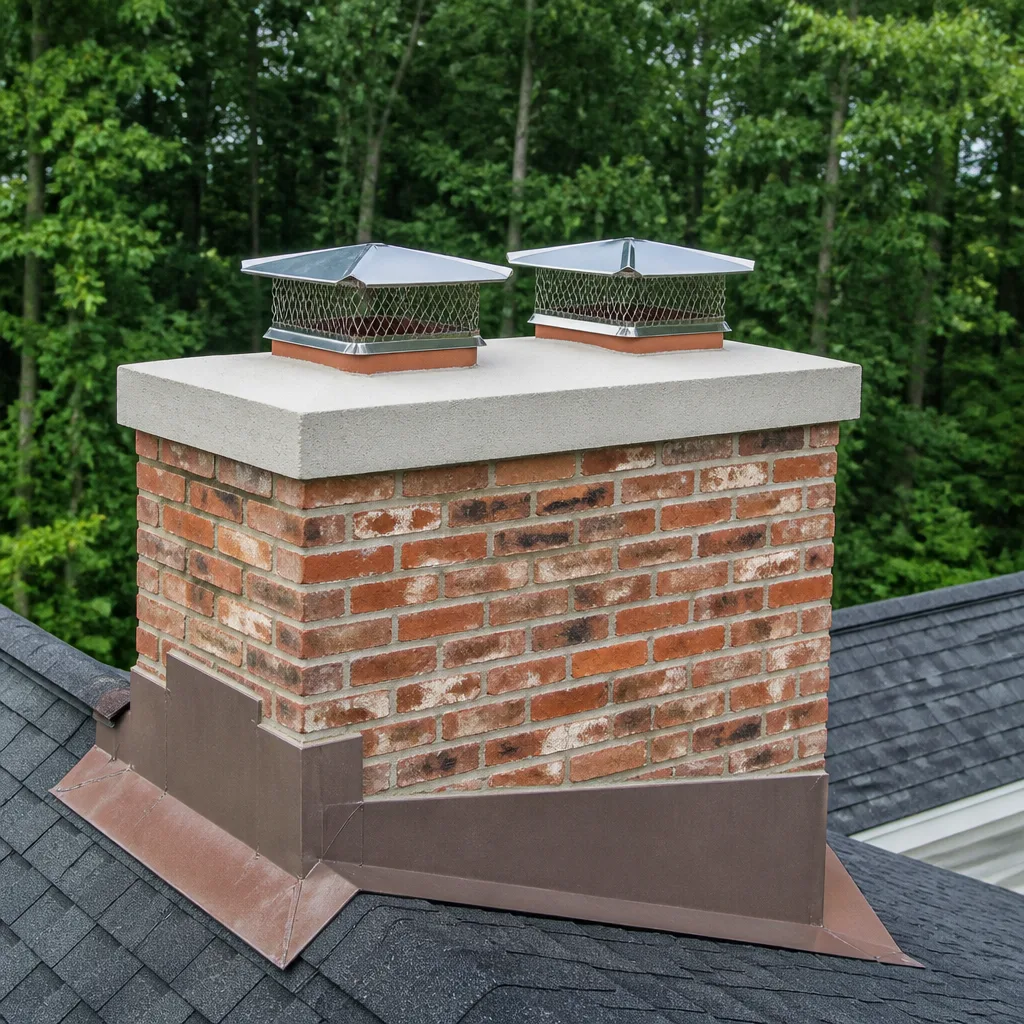
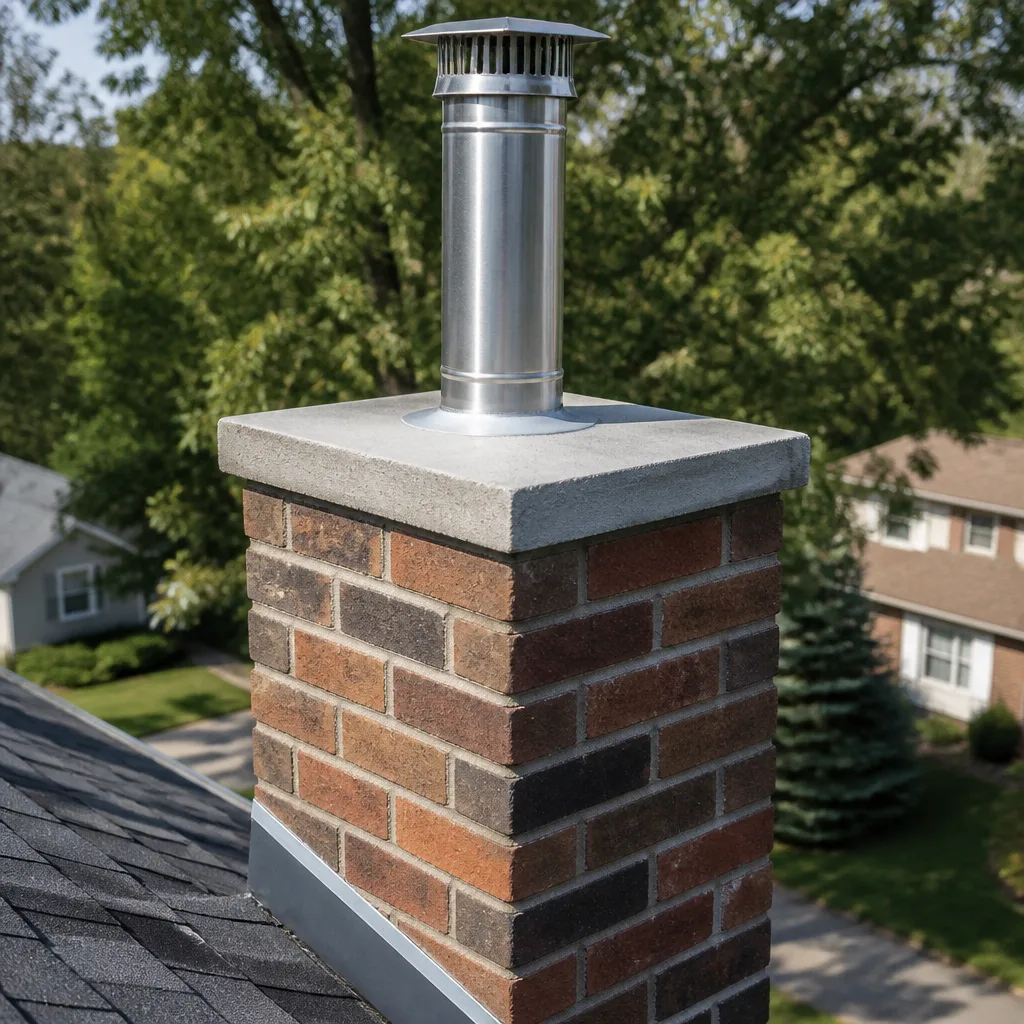
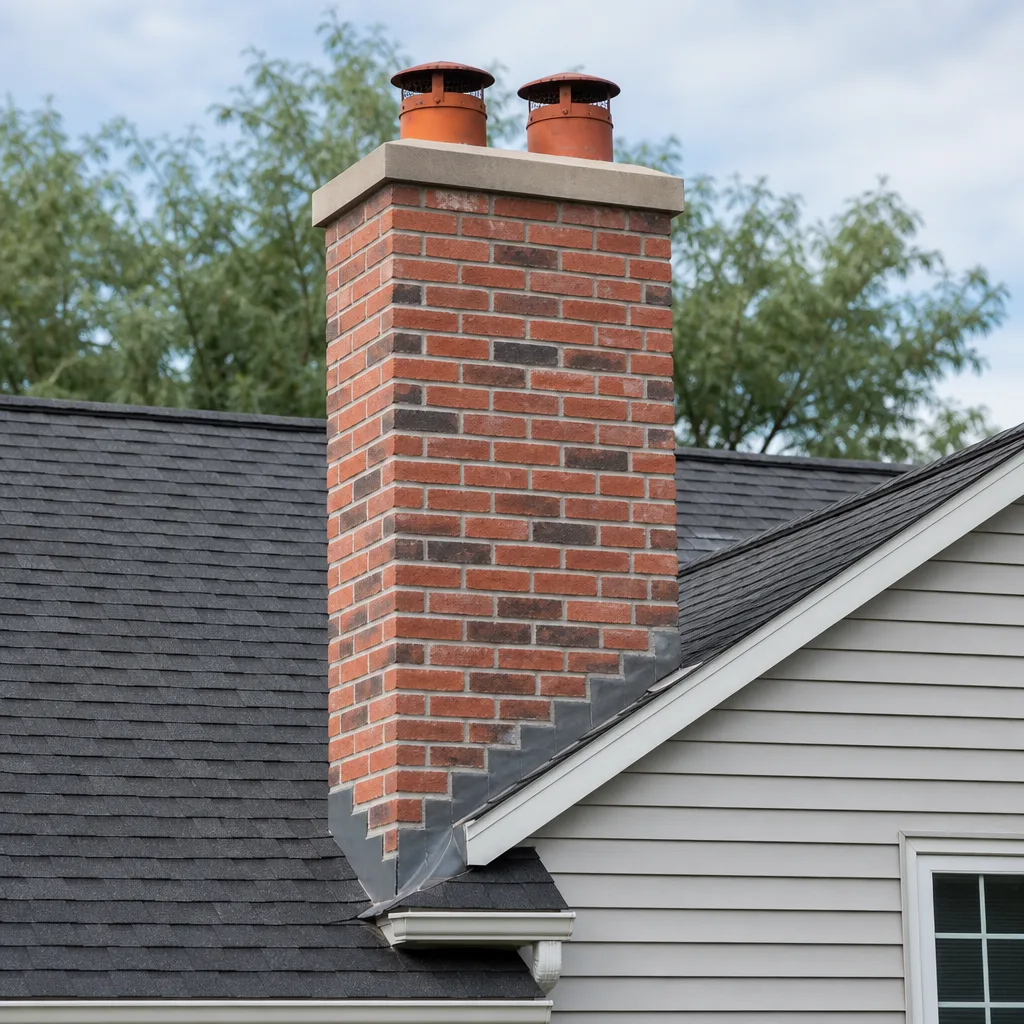
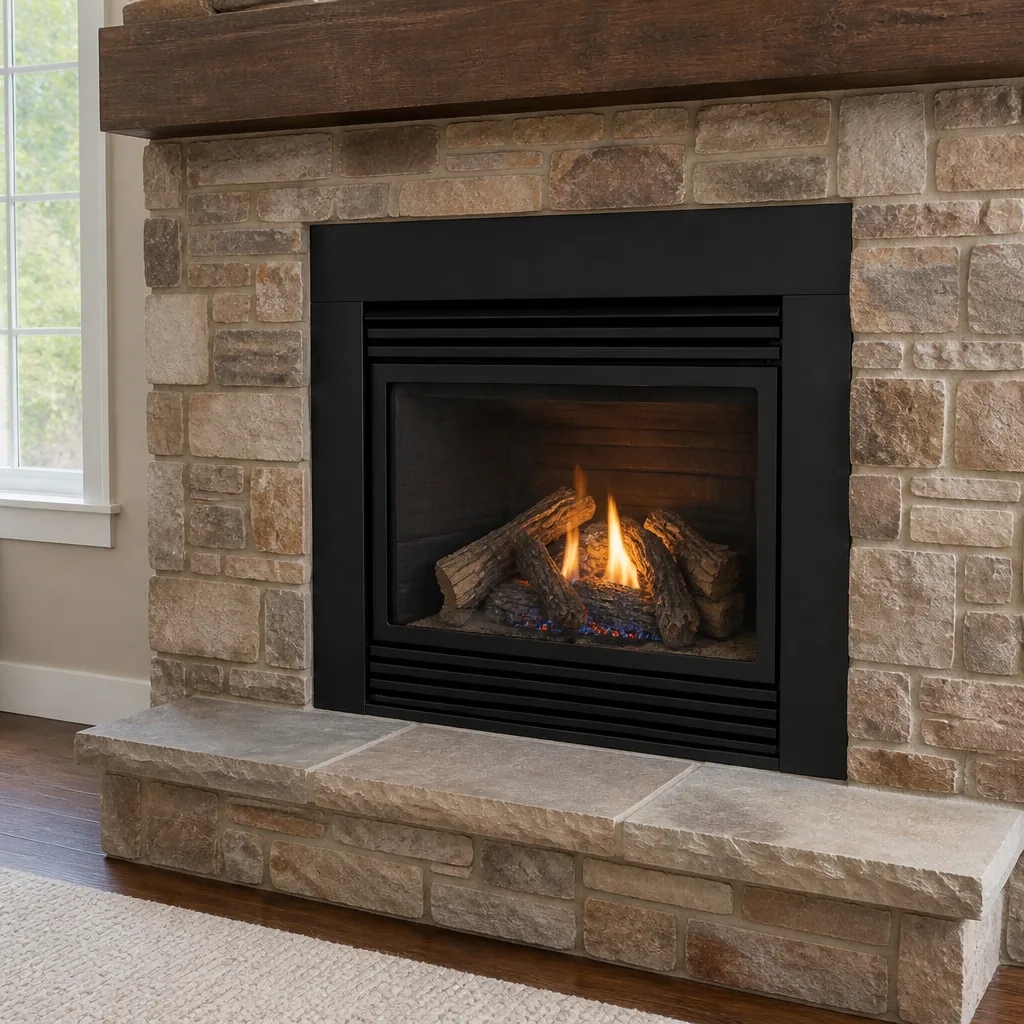
 Before
 After
After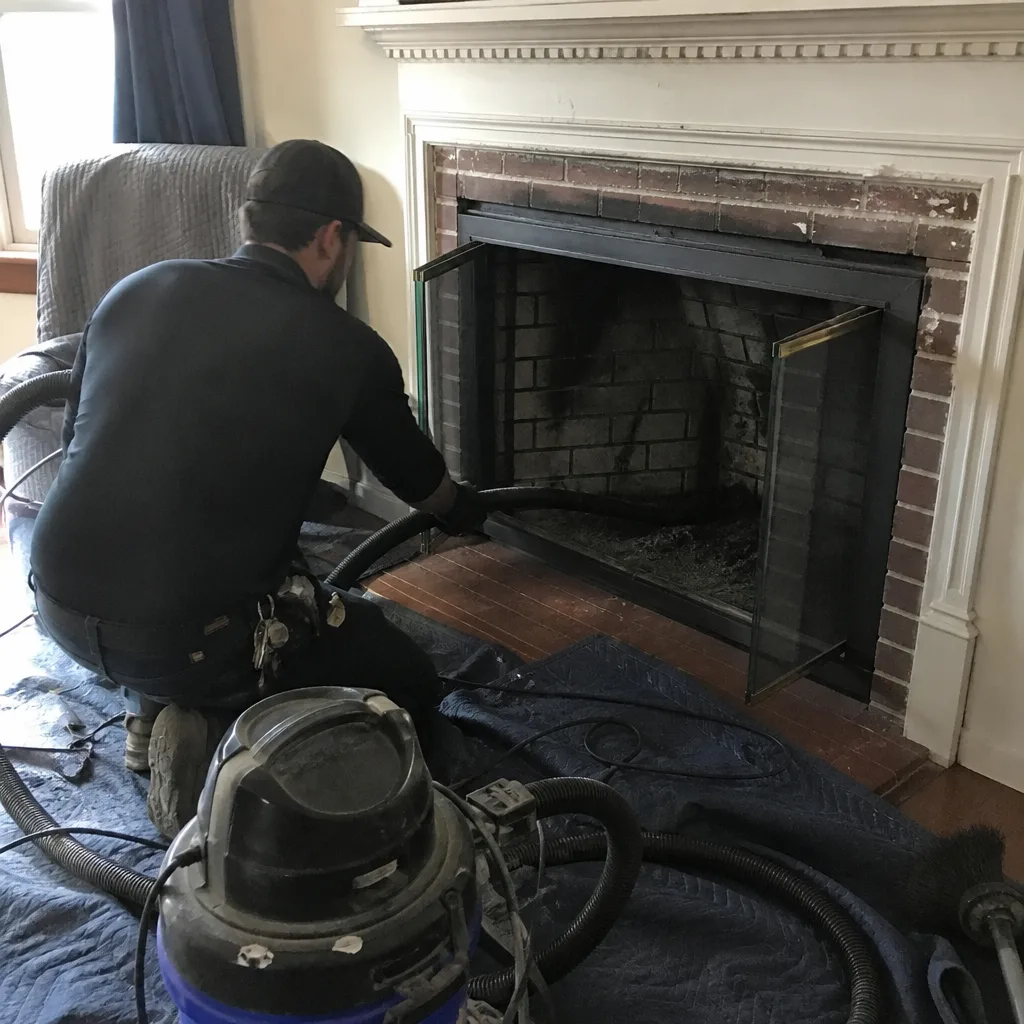 Before
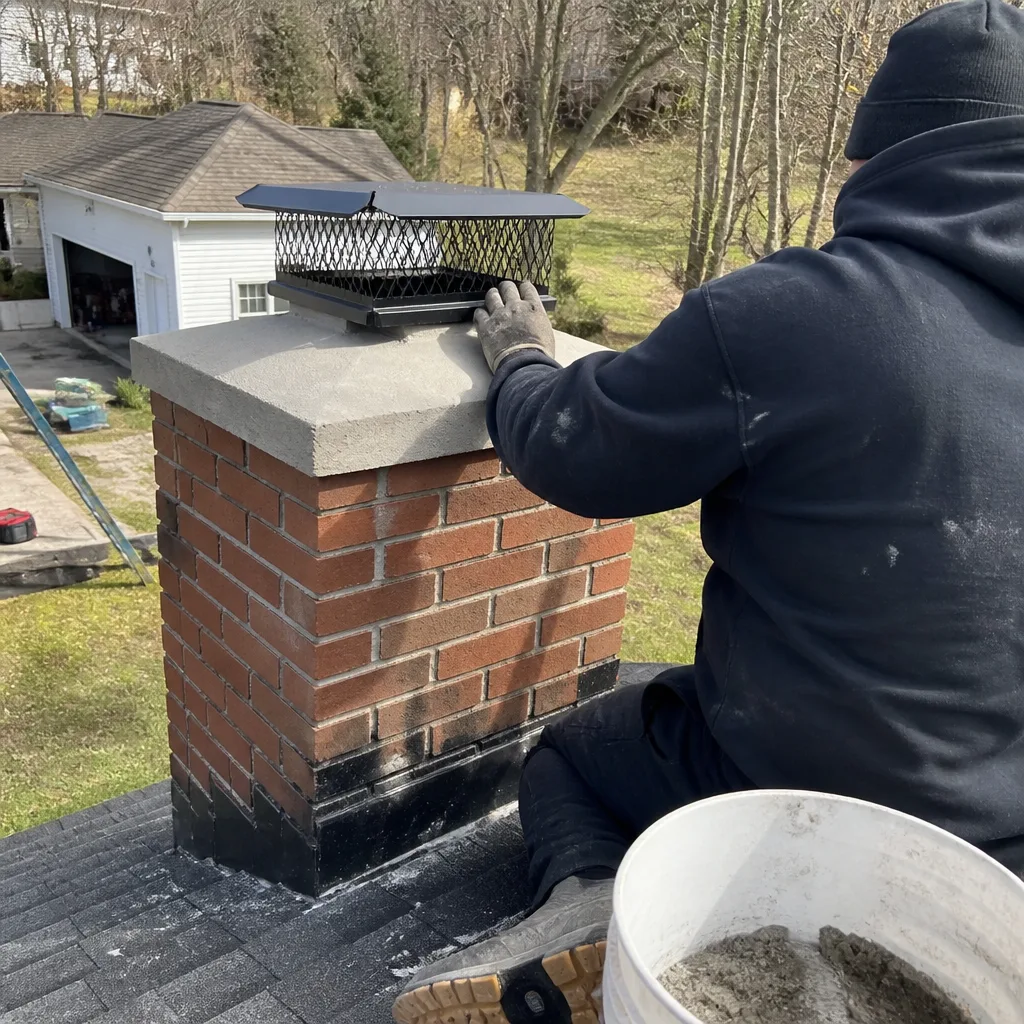 After
After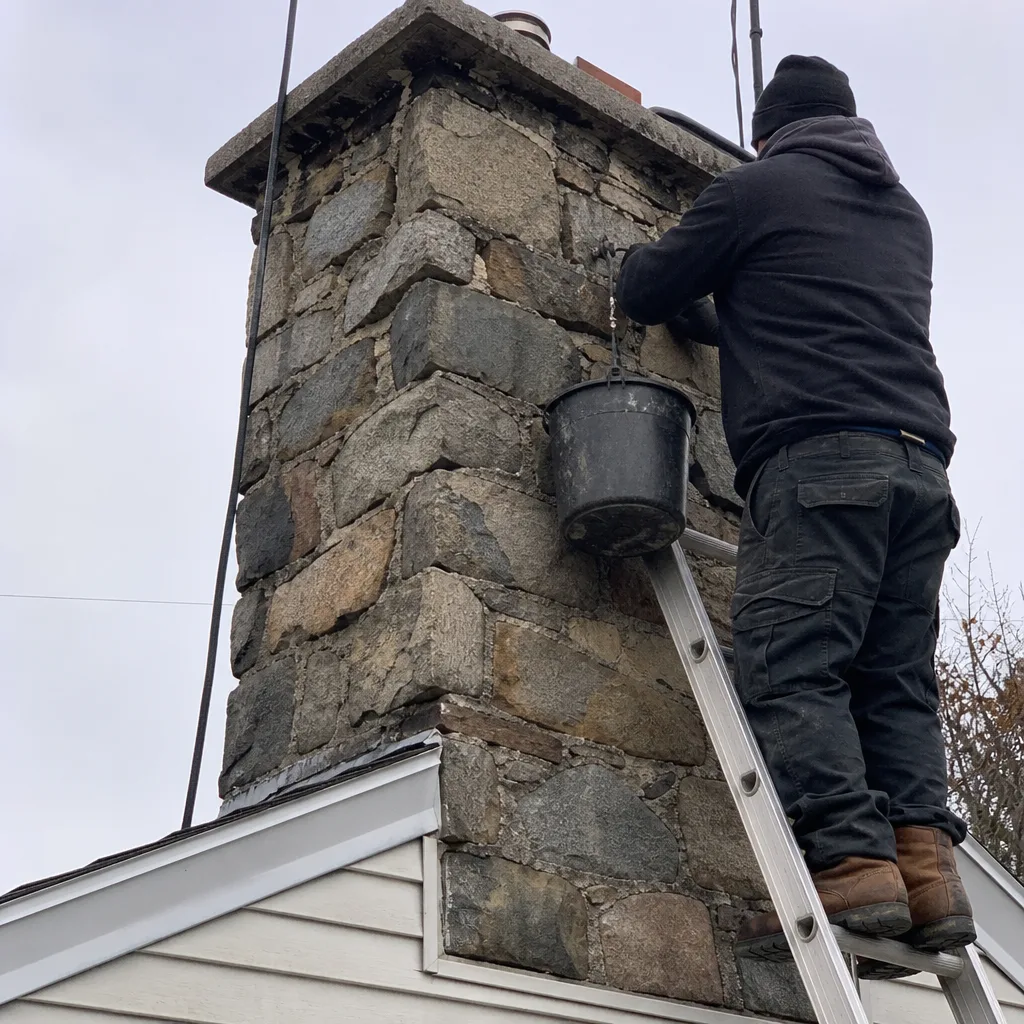 Before
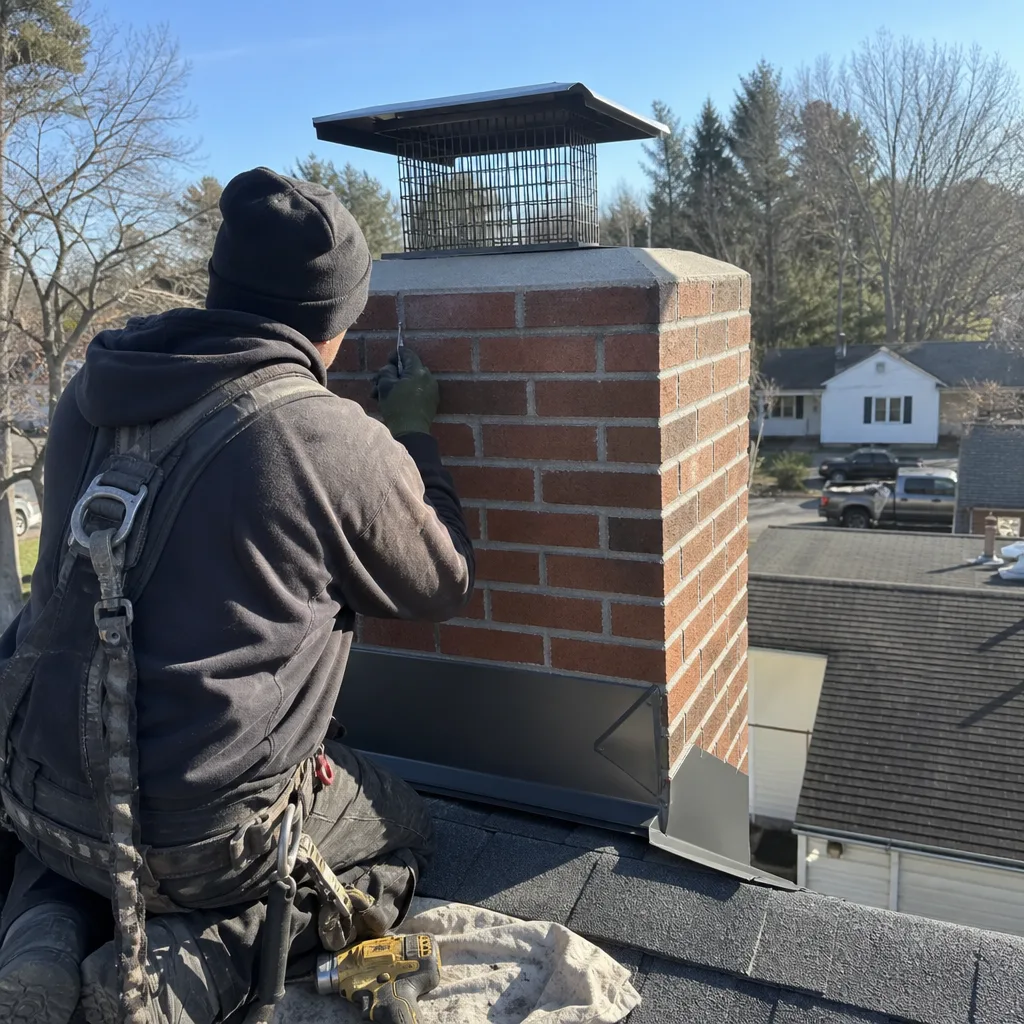 After
AfterThe Complete Guide to Chimney Cleaning in Torrington
A chimney that was swept last October isn’t necessarily a safe chimney this November. What matters is what you burned, how often, and what the liner looked like when the job was done. Most sweep companies never explain that part. In Torrington, where homes built in the 1800s sit next to ranches from the 1970s, the condition of your chimney has less to do with the calendar and more to do with wood quality, burning habits, and whether the last person on your roof actually did what you paid for. This guide walks through what chimney cleaning really involves in Torrington, what it costs, when it can wait, and how to read a chimney cleaning invoice line by line so you know what you paid for before a tool ever comes off the truck.
Quick Answer
Chimney cleaning in Torrington typically costs between $150 and $350 for a standard sweep, depending on the size of the flue, the amount of creosote buildup, and whether the chimney has been cleaned in the last two years. A proper cleaning includes a written report, not just a verbal “you’re all set.” Insurance and safety standards say every wood-burning chimney needs at least a Level 1 inspection annually, even if you rarely use the fireplace.
Table of Contents
- What a Real Chimney Cleaning Actually Involves in Torrington
- How Torrington Homes Build Creosote Differently
- Level 1, Level 2, and Level 3 Inspections: What You Actually Need
- How Often Should You Clean a Chimney in Torrington?
- What a Legitimate Sweep Leaves Behind
- How to Read a Chimney Cleaning Invoice Line by Line
- Common Mistakes to Avoid
- When to Call a Professional
- Frequently Asked Questions
- The Bottom Line
What a Real Chimney Cleaning Actually Involves in Torrington
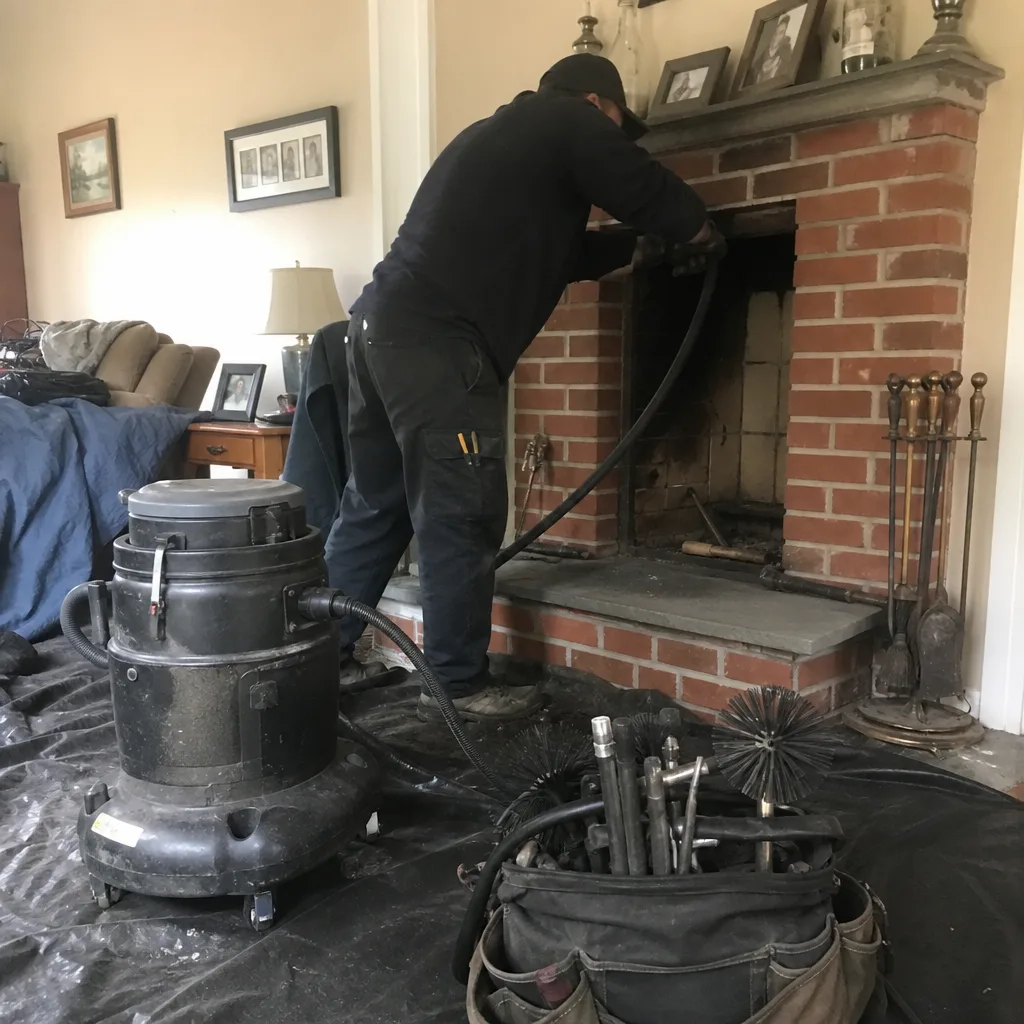
A proper chimney cleaning is not a guy with a wire brush and a vacuum. Not if it’s done right. In Torrington, a thorough sweep starts with protecting the floor around the hearth. Drop cloths go down. The damper gets inspected before anything else, because a stuck damper is a carbon monoxide risk no matter how clean the flue is. Then the actual cleaning happens from the top down or bottom up, depending on the chimney’s design and what the sweep finds.
Here is the step-by-step process a legitimate sweep follows:
- Drop cloths and floor protection. The work area gets sealed off so soot and creosote dust don’t end up in your living room carpet.
- Damper inspection. The sweep opens the damper and checks that it moves freely and seats properly. A warped damper that won’t close means warm air escapes all winter and chimney smells come back into the house in summer.
- Flue inspection with a camera. This is the step most Torrington homeowners don’t know to ask for. A camera run through the flue shows cracks in the clay liner, gaps at the mortar joints, and glaze-level creosote that a brush alone can’t touch.
- Mechanical brushing. The brush scrubs the flue walls from top to bottom or bottom to top. The size of the brush has to match the flue. Using the wrong size is like washing a car with a toothbrush - it takes longer and misses spots.
- Creosote removal from the firebox and smoke shelf. The smoke shelf behind the damper is where creosote tends to pile up. If it’s skipped, the flue can look clean while the firebox is still a fire risk.
- Vacuuming. A high-powered vacuum with a fine-particle filter captures the soot. A shop vac without a HEPA filter will blow fine particulates back into the room.
- Written report. You get paperwork showing what was found, what was cleaned, and what, if anything, needs attention before the next burn season.
The entire job usually takes 45 to 90 minutes for a standard open fireplace. Prefabricated units and inserts with stainless liners often take longer because they have to be cleaned carefully to avoid scratching the liner surface.
How Torrington Homes Build Creosote Differently
Torrington has a housing stock problem that most national franchises don’t understand. The city and surrounding Litchfield County towns are full of colonials and capes built between 1850 and 1950. Many of those original masonry chimneys were built with unlined brick or clay tile liners that have been absorbing moisture from Connecticut winters for a century. Add a wood-burning insert installed in the 1990s or 2000s, and you’ve got a chimney that builds creosote faster than anything in a newer subdivision.
Here’s what we see in Torrington neighborhoods like the West Side and Burrville that we don’t see in newer developments:
- Unlined or clay-lined masonry chimneys from before 1940. The mortar joints between clay tiles crack as the chimney goes through freeze-thaw cycles every winter. Creosote seeps into those cracks and builds up in layers that a surface brush never touches.
- Wood-burning inserts in fireplaces that were never designed for them. The insert changes the airflow. A fireplace built in 1920 was designed to pull a certain volume of air. When an insert goes in, the flue often runs cooler, and cooler flue gases mean faster creosote buildup, especially in the connector pipe and the first few feet of flue above the insert.
- Exterior chimneys. Many Torrington homes have chimneys built on the outside wall rather than through the center of the house. Exterior masonry gets colder in January, and cold flues condense creosote faster. We see first-degree creosote turning to second-degree in a single season on exterior chimneys that burn daily.
Your flue doesn’t care how the fire looks. It cares how it breathes. The air path from the firebox to the top of the chimney determines how fast creosote accumulates. Older Torrington homes with shallow fireboxes, unlined flues, or mismatched inserts almost always build creosote faster than the “once a year” schedule most homeowners assume applies everywhere.
If you have one of these older homes, expect to clean the chimney every 40 to 60 fires, not every calendar year. For some families who burn from October through March, that’s two cleanings a season. For a family that lights the fireplace twice a month, it’s once every two or three years.
Level 1, Level 2, and Level 3 Inspections: What You Actually Need
The National Fire Protection Association defines three levels of chimney inspections. Most chains sell all three as a bundle. Most Torrington homeowners only need one of them at any given time. Here’s the difference.
Level 1 Inspection
A Level 1 is what should happen with every cleaning. It’s a visual check of the accessible parts of the chimney: the firebox, the damper, the flue interior, and the exterior chimney cap and crown. The sweep looks for obvious issues - cracked flue tiles, heavy creosote, animal nests, a missing cap. If the appliance has been consistently maintained and you’re not changing anything about how you use it, Level 1 is all you need.
Level 2 Inspection
A Level 2 adds a camera scan of the entire flue and an inspection of the attic, crawlspace, and other accessible areas the chimney passes through. It’s required in three specific situations: when you’re buying or selling a home, when the chimney has been damaged by an earthquake, chimney fire, or storm, and when you’re changing the appliance - putting in a new insert, switching from wood to gas, or relining the flue. If none of those apply, a Level 2 is optional, not mandatory. Any sweep who tells you a Level 2 is required with every annual cleaning is padding the invoice.
Level 3 Inspection
A Level 3 is invasive. It means removing parts of the chimney or surrounding structure to access hidden areas. It’s warranted when a Level 2 camera scan finds something serious - a cracked liner that needs a closer look, suspected damage inside the chimney wall, or deterioration that can’t be evaluated from the flue side. Level 3 inspections are rare. Most Torrington homeowners will never need one, and any company suggesting one without a specific Level 2 finding to justify it is either confused or trying to create a job out of nothing.
The right play: get a Level 1 with every cleaning. Get a Level 2 when you buy a house, change appliances, or suspect damage. Skip Level 3 unless a specific finding requires it.
How Often Should You Clean a Chimney in Torrington?
Once a year, burn or no burn. Chimneys break in the off-season too. That’s the starting point. But the real answer depends on three things: what you burn, how often you burn it, and what your chimney was built from. Our seasonal chimney cleaning care guide for Torrington covers year-round maintenance in more detail.
Here’s a realistic schedule for Torrington homes:
- Burn seasoned hardwood, three or four fires a week? Clean once every 30 to 40 fires, which for most people works out to roughly once per season, plus a checkup in the fall.
- Burn softwood, construction scraps, or unseasoned wood? Cut that interval in half. Pine and hemlock burn cool and smoke heavy. Creosote builds fast. If it’s the only wood you can get, burn hotter and shorter fires and clean more often.
- Burn pressed logs like Duraflame? These burn cleaner than cord wood, but they still produce some creosote, especially in cold flues. Annual inspection is still the rule.
- Rarely use the fireplace? You still need an annual inspection. Birds carry twigs into the chimney, squirrels build nests, and water gets into cracked crowns. A chimney that sits unused all summer and fall can be more dangerous by November than one that was used weekly because the insects and animals moved in when the weather warmed up.
Local Litchfield County cord wood varies enough in moisture to change your cleaning schedule. Wood sold as “seasoned” has typically been split and stacked for six months to a year, but not every seller is honest. A moisture meter costs about $30. Split a log and press the probes into the fresh face. If it reads above 20% moisture, it’s not seasoned. Burning it means cooler fires, more smoke, and more creosote. It also means you’re paying for water weight instead of heat.
If you buy your wood from a roadside stand in Harwinton or Goshen, assume it’s greener than advertised and burn accordingly - hotter fires, smaller loads, and a chimney cleaning sooner than the calendar suggests.
What a Legitimate Sweep Leaves Behind
A real chimney cleaning in Torrington should end with more than a handshake and a “you’re all set.” It should end with a written report. The camera footage and a plain-English verdict - every time, no exceptions.
Here’s what the report should include:
- The date and the chimney’s location. If you have two chimneys, each gets its own section.
- Creosote classification. First-degree is a light, fluffy deposit that brushes off easily. Second-degree is a granular, baked-on coating that takes more work to remove. Third-degree is a hard, shiny glaze - that’s a job for chemical treatments or liner replacement, not just a brush. A legitimate sweep will tell you which one you have and what it means for your specific chimney.
- Camera findings. If a camera was run, you get a photo or video still. A cracked flue tile should be shown to you, not just mentioned. If the sweep can’t show you the crack, question whether it exists.
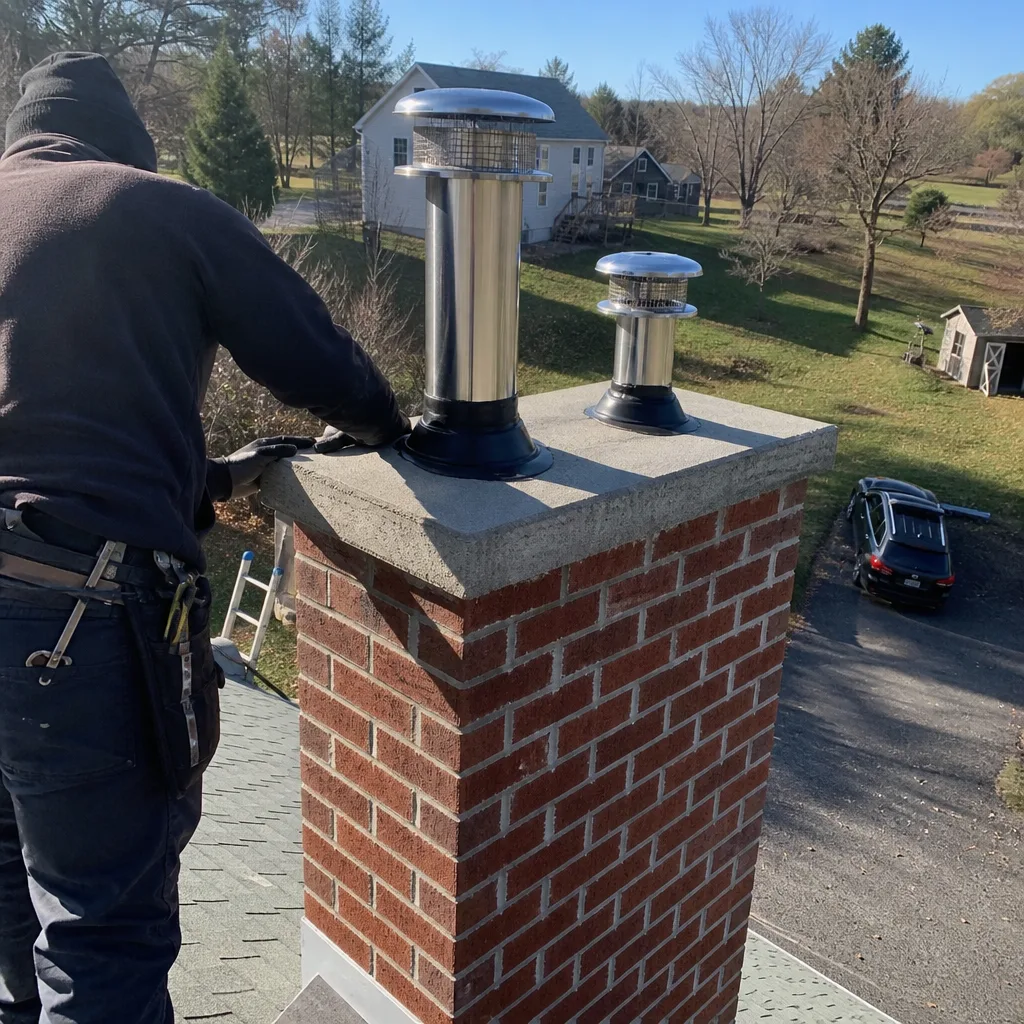
- Condition notes on the cap, crown, and chase cover. These are the parts that keep water out. A missing cap on a Torrington chimney means rain and snow falling straight down the flue all winter. A cracked crown lets water into the masonry joints, where it freezes and expands and cracks the brick. Both should be flagged immediately.
- Recommendations separated by urgency. “Needs attention before you burn again” is different from “watch this over the next couple of years.” A good report distinguishes the two.
If a company says the job is done but hands you nothing or emails you a receipt with three words, you didn’t get an inspection. You got a brushing.
How to Read a Chimney Cleaning Invoice Line by Line
The invoice is where the money goes wrong. National chains are built on the upsell - a sweep walks in, “finds” a problem, and suddenly the $199 cleaning is a $3,000 liner replacement. Knowing what the line items mean protects you.
Here’s how to read it:
- “Chimney sweep” or “flue cleaning.” This is the core service. It should include brushing, vacuuming, and a Level 1 inspection. If the inspection is listed as a separate line item, you’re being charged twice for something that should be included.
- “Creosote removal” or “glaze removal.” Third-degree creosote requires chemical treatments that cost more. That’s legitimate. But confirm the sweep actually shows you the glaze on camera before you pay for it. If they can’t show it, it isn’t there.
- “Stainless steel liner” or “relining.” Liners are the most profitable line item in the chimney business. The legitimate cases involve a cracked clay liner, deteriorated mortar joints, or a chimney fire that compromised the flue. A liner is not needed simply because a chimney is old. Ask for the camera footage. If the recommendation is based on age alone, get a second opinion. Top Hat Chimney offers a free second opinion on any competing written estimate. That’s not a sales tactic. It’s the only way to protect yourself from a $3,000 job you don’t need.
- “Cap installation” or “replacement.” A legitimate cap costs between $150 and $400 installed depending on the material and chimney size. It’s the cheapest insurance against water and animal damage. If a cap is recommended, it’s usually legitimate. Missing caps are the most common issue we find in Torrington.
- “Crown repair” or “crown seal.” The crown is the concrete top around the flue. It cracks over time, and water gets into the masonry. Crown repairs range from $300 for a sealant application to $1,500 for a full replacement. Either is cheaper than rebuilding a water-damaged chimney.
- “Sealant” or “water repellent.” This is a coating applied to the chimney exterior to shed water. Useful for older masonry in Torrington’s freeze-thaw climate. Not a scam, but not urgent either. It can wait until the next warm season.
The line you should never see is “dispatch fee” or “trip charge” if you live in Litchfield County. Top Hat Chimney has never charged a trip fee inside our home county. We quote a price before anything comes off the truck, and the number you hear on the phone is the number on the invoice. That’s the way it should work everywhere.
If you’re looking at an invoice with a line you don’t understand, call us. Wendell will read it with you. No charge for that either.
Common Mistakes to Avoid
- Assuming last year’s cleaning means this year’s safety. Creosote doesn’t build on a calendar. It builds on fires. A chimney cleaned in October can be loaded with creosote by January if you’ve burned 40 unseasoned logs since then. Check it when the burn season changes, not when the calendar says.
- Burning unseasoned wood. Fresh-split wood from a stand in Litchfield County might read 30% moisture or higher. That water robs heat from the fire and condenses as creosote in the flue. Invest in a moisture meter and buy wood that’s been split and stacked for at least a year.
- Skipping the damper check. We find closed dampers, stuck dampers, and dampers that won’t open all the way on at least a third of the chimneys we inspect in Torrington. A damper that won’t close is like leaving a window open in the living room all winter. A damper that won’t open means smoke and carbon monoxide in the house.
- Trusting a verbal “you’re all set” with no paperwork. If the company won’t give you a written report, you have no record of what was found, no proof of what was done, and no defense if something goes wrong. Insist on paperwork.
- Paying full price for upsells without evidence. Any recommendation for a liner, crown repair, or masonry work should be backed by camera footage you can see with your own eyes. No camera, no evidence, no work. It’s that simple in Torrington.
- Closing off the fireplace permanently without cleaning it first. Blocking a dirty chimney seals in creosote and moisture. It doesn’t make it safe. If you’re not using the fireplace, the chimney should still be cleaned and capped properly, not sealed shut with fiberglass insulation.
When to Call a Professional
Call a professional if you hear birds or scratching inside the chimney, see water stains on the ceiling or walls around the hearth, smell smoke when the fireplace isn’t lit, or notice creosote flaking from the flue. These are not DIY situations. Any of them means the chimney has a problem that cleaning alone might not solve, and a camera inspection is the only way to know what you’re dealing with.
If you haven’t had the chimney inspected in more than a year, or you’ve bought a house in Torrington and don’t know the condition of the flue, that’s also a call. Buyers don’t always get the chimney inspected, and a Level 2 inspection during the transaction is the one time a camera run should be non-negotiable.
Top Hat Chimney offers free estimates in Torrington. Call (860) 744-2656 and Wendell or a live person will answer. No voicemail box, no call center. Just a real person on the phone.
Frequently Asked Questions
A standard chimney cleaning in Torrington costs between $150 and $350 depending on the flue size, the amount of creosote buildup, and the chimney’s accessibility. The low end covers a straightforward one-story flue with light creosote. The high end covers a tall exterior chimney with a second-degree creosote load and a stubborn damper. Top Hat Chimney gives you the price before any tools come off the truck, and that number doesn’t change at the door. Call (860) 744-2656 for a specific quote.
At least once a year, more often if you burn daily or burn wood that hasn’t been seasoned properly. The rule of thumb is every 30 to 40 fires. Torrington homeowners burning from October through March usually need one cleaning mid-season and a checkup before the next burn season starts.
Only if the camera inspection shows cracked clay tiles, gaps in the mortar joints, or post-fire damage. A liner is not needed simply because a chimney is old. If a company recommends a liner based on age alone, ask for the camera footage. If they can’t show it, get a second opinion. Top Hat Chimney offers a free second opinion on any competing written estimate.
Creosote accumulates in layers until it becomes a fuel source. A chimney fire can reach 2,000 degrees and crack the flue liner or set the nearby framing on fire. Even without a fire, a dirty chimney can block the draft and push carbon monoxide back into the house. The cost of a cleaning is always less than the cost of a chimney fire. Call us for a free estimate at (860) 744-2656.
Cleaning removes the creosote and soot. Inspection evaluates the condition of the flue, damper, cap, crown, and masonry. A proper cleaning should always include a Level 1 inspection. A Level 2 inspection with a camera is a separate service that’s required for real estate transactions, appliance changes, or after a chimney fire.
Only if it’s actually seasoned. True seasoned hardwood with moisture below 20% burns hotter and produces less creosote, which means you can stretch the interval between cleanings. Wood sold as seasoned from a roadside stand often isn’t, and burning it will build creosote faster. Use a moisture meter and assume the advertised seasoning time is optimistic.
The Bottom Line
Chimney cleaning in Torrington is not a one-size-fits-all service. The right frequency depends on what you burn, how often, and what your chimney was built from. Older homes in Torrington’s established neighborhoods need more attention than newer construction, and inserts make things more complicated, not less. Get a written report after every cleaning, read your invoice line by line, and never accept a liner recommendation without seeing the camera footage yourself. The best chimney service is the one that tells you when a job can wait. That’s the difference between a sweep who makes money on upsells and one who puts a name on the work and expects to see you again in town.
For a free estimate in Torrington, call (860) 744-2656. Wendell answers the phone. He’ll give you the straight word on your chimney, even if the straight word is that you don’t need anything done yet. Explore our Top Hat Chimney home page for more about who we are, or check out our Chimney Cleaning & Sweep in Torrington for service details. If your chimney needs more than a sweeping, our Chimney Repair in Torrington page covers liners, crowns, and masonry. And for fireplaces, stoves, and inserts, head over to our Fireplace Services in Torrington page. We work with trusted brands like Gelco, Olympia Chimney, and Copperfield when repairs or rebuilds are called for.
Written by Wendell Pike, Owner at Top Hat Chimney, serving Torrington since 1999.