
Last updated September 10, 2026
Level 1 sweep and inspection to the NFPA 211 annual standard - flue, crown, cap, and flashing checked and photographed
Chimney sweep logs do not sweep chimneys. They loosen some creosote - which then falls where a brush and vacuum still have to collect it.
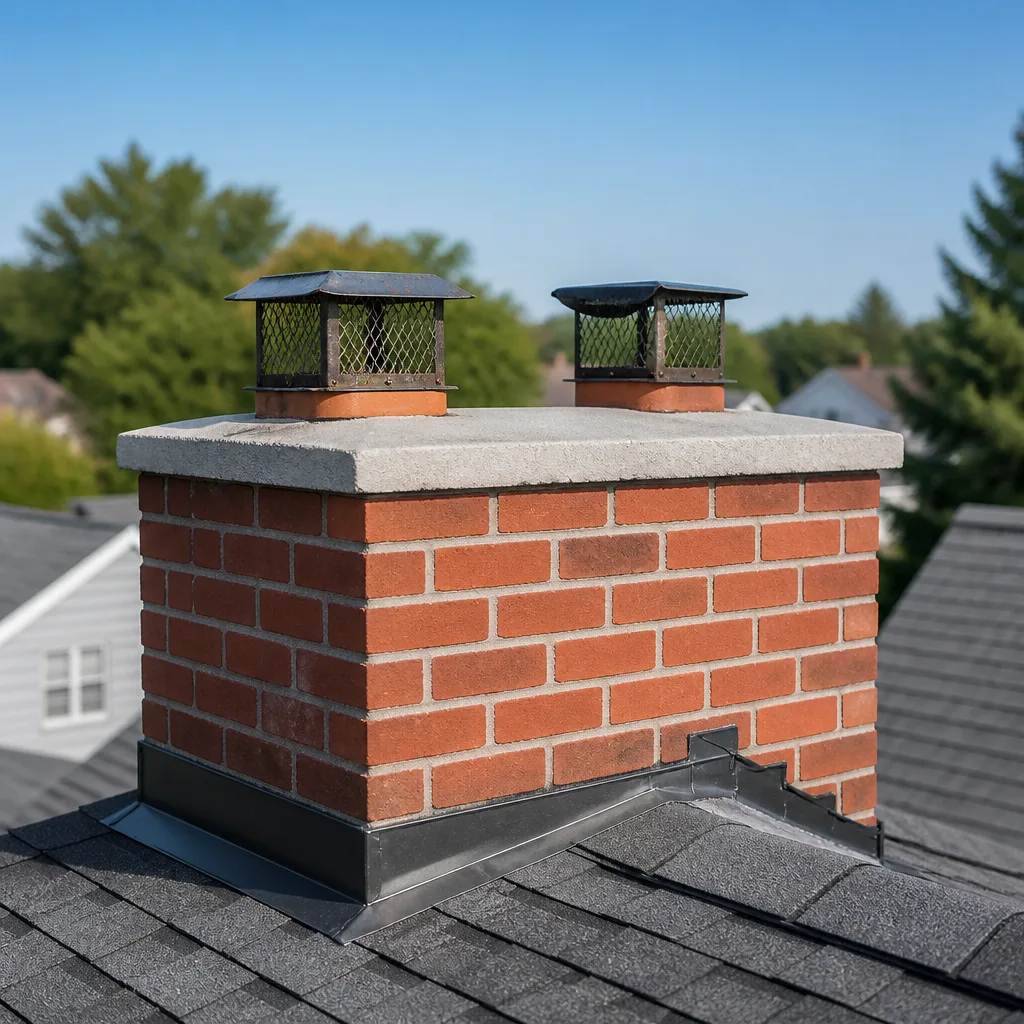
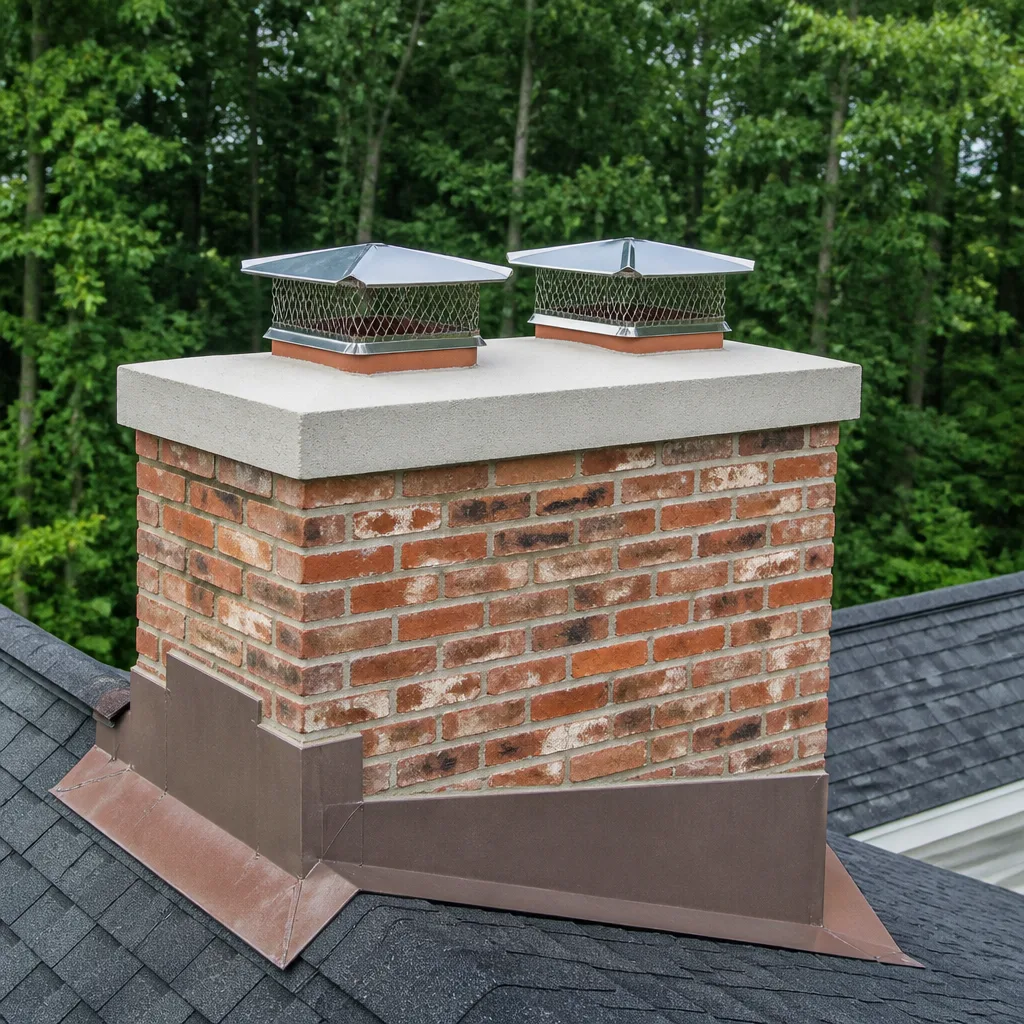
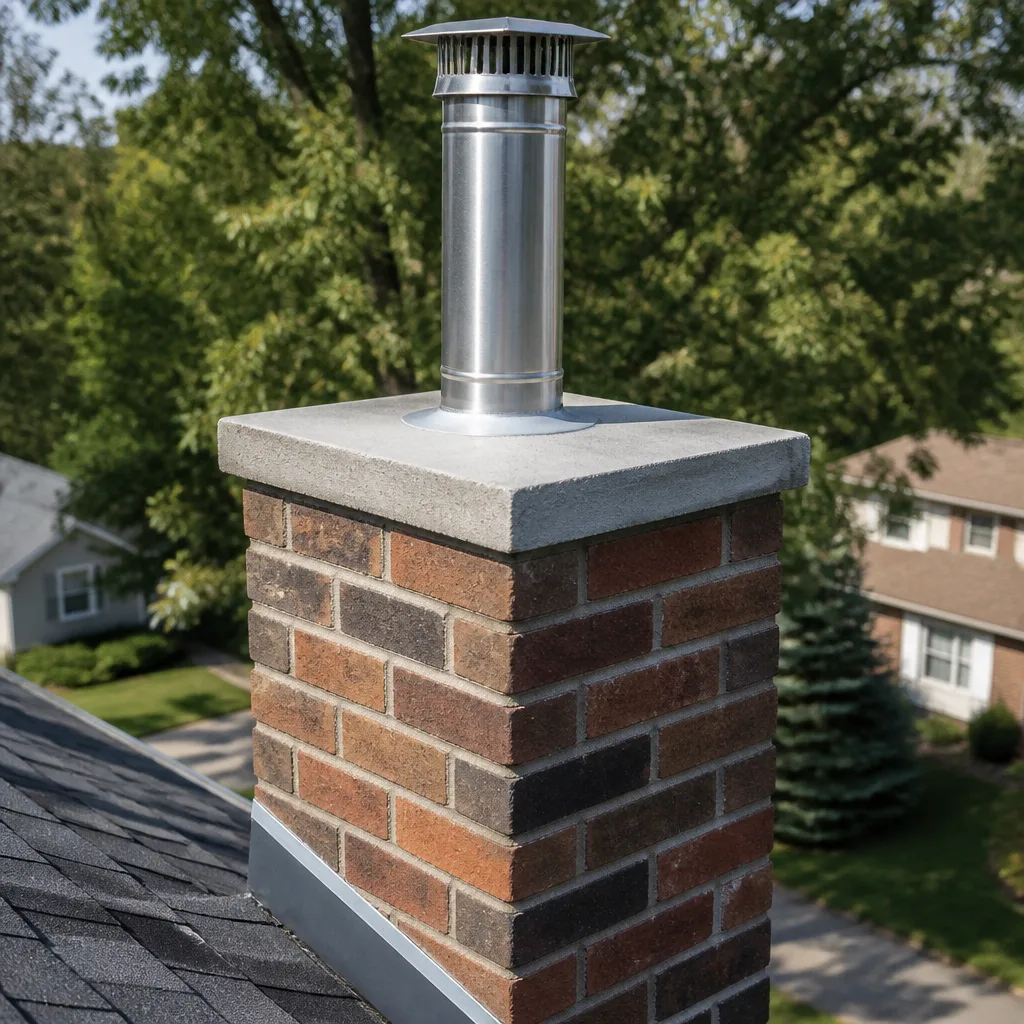
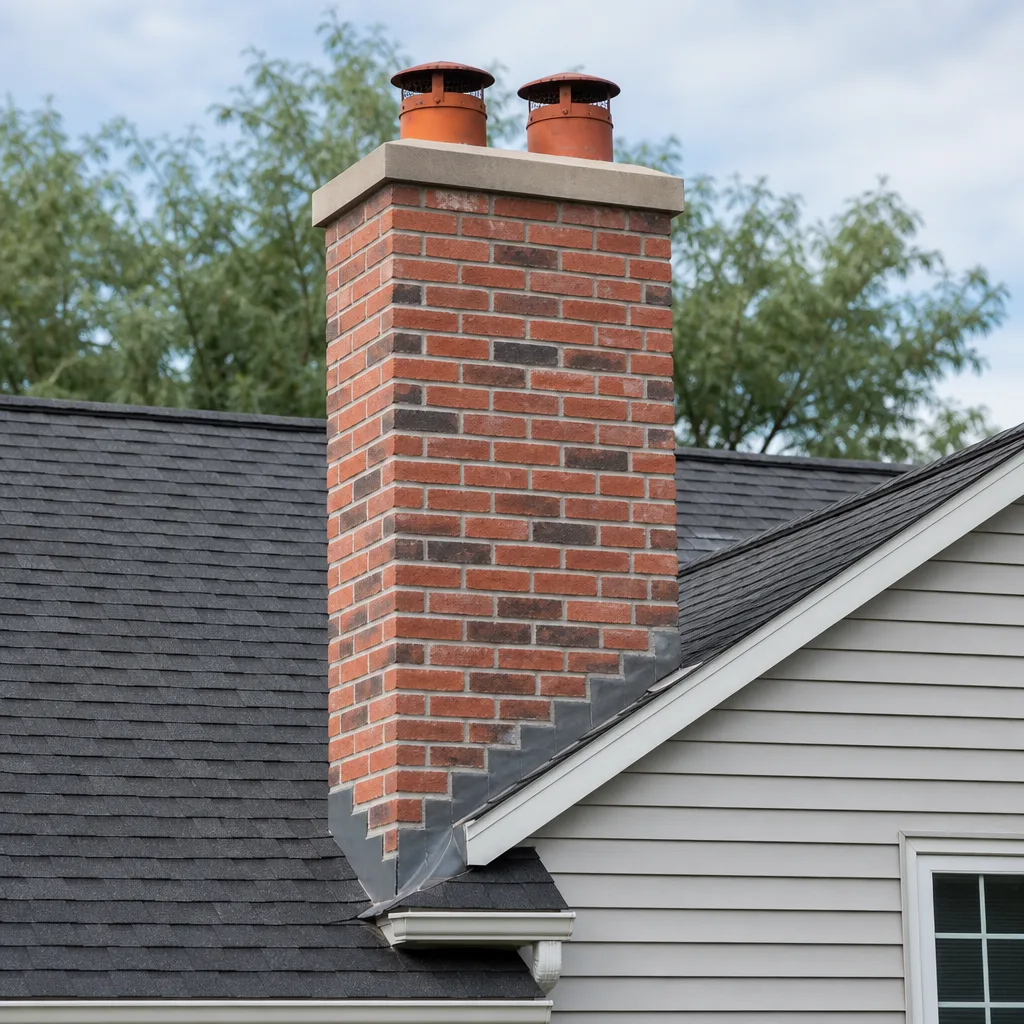
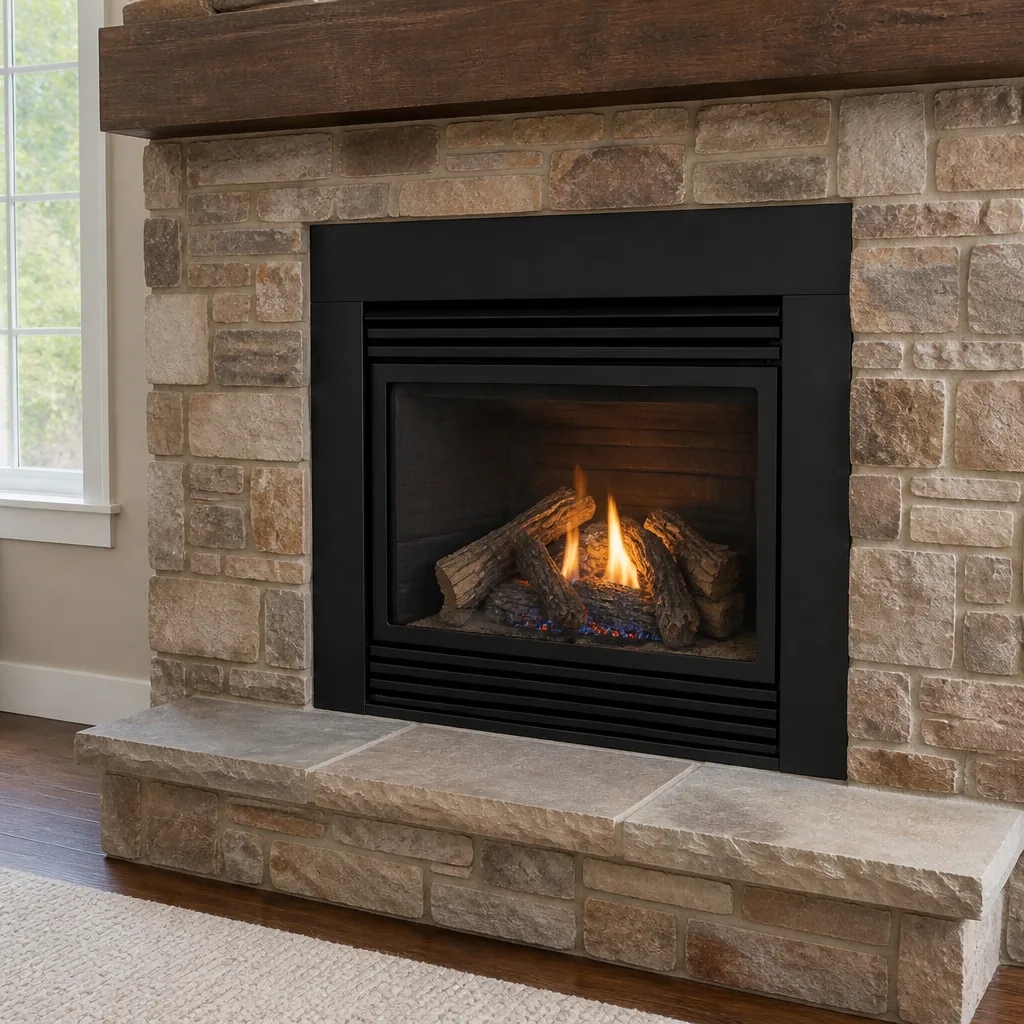
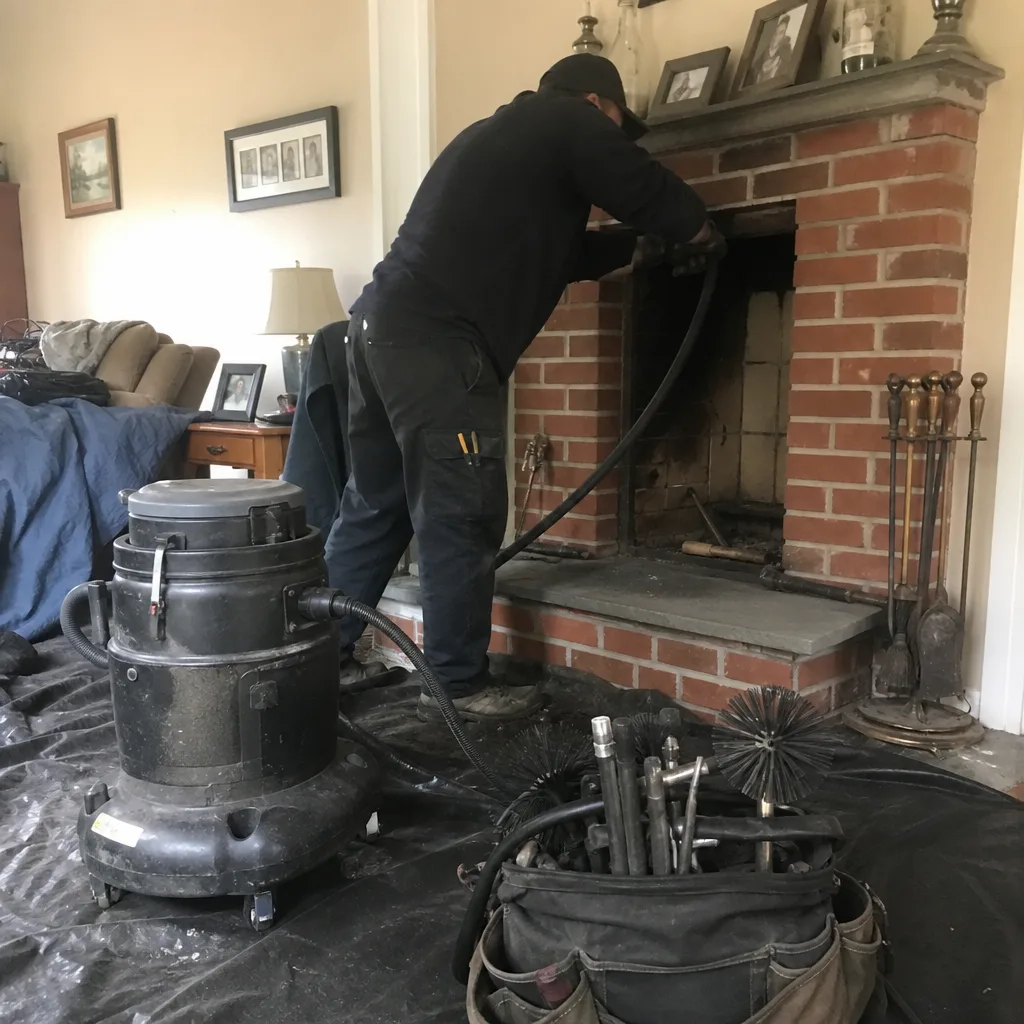 Before
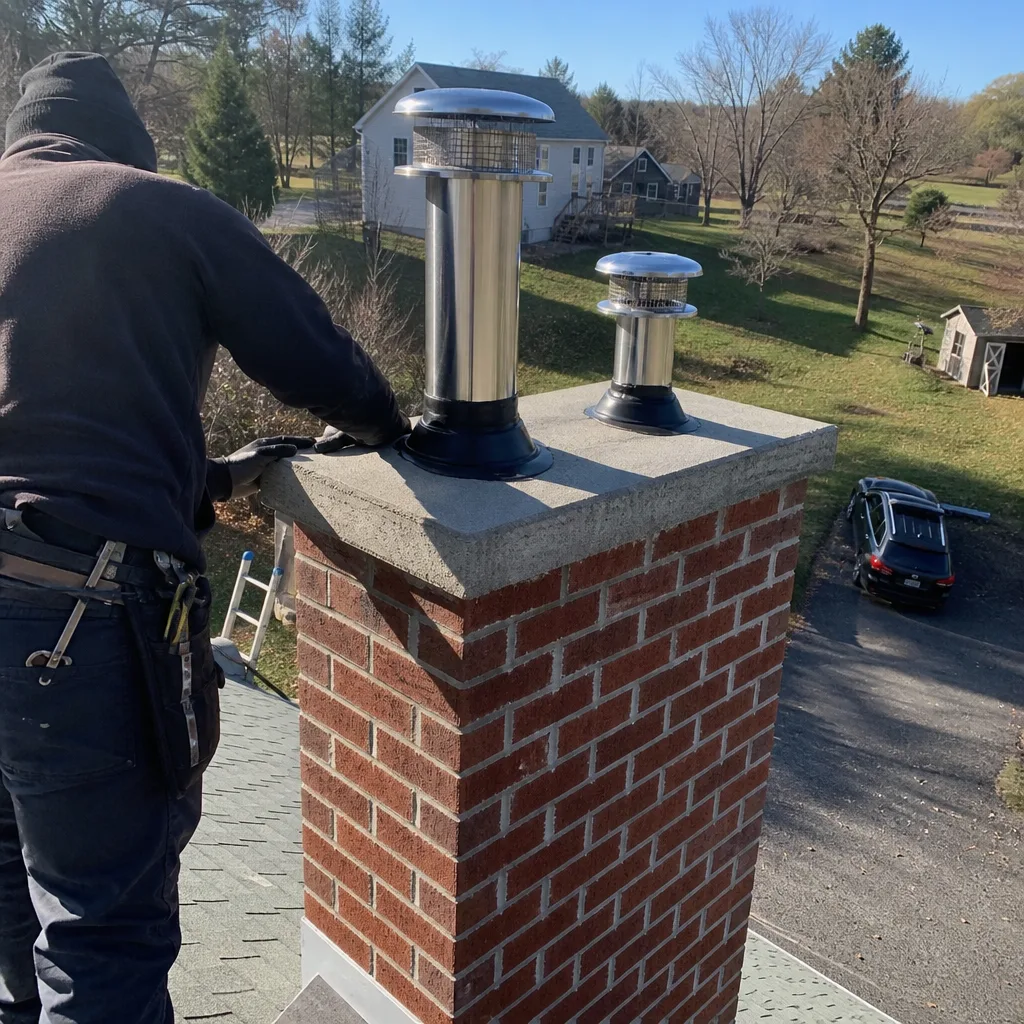 After
After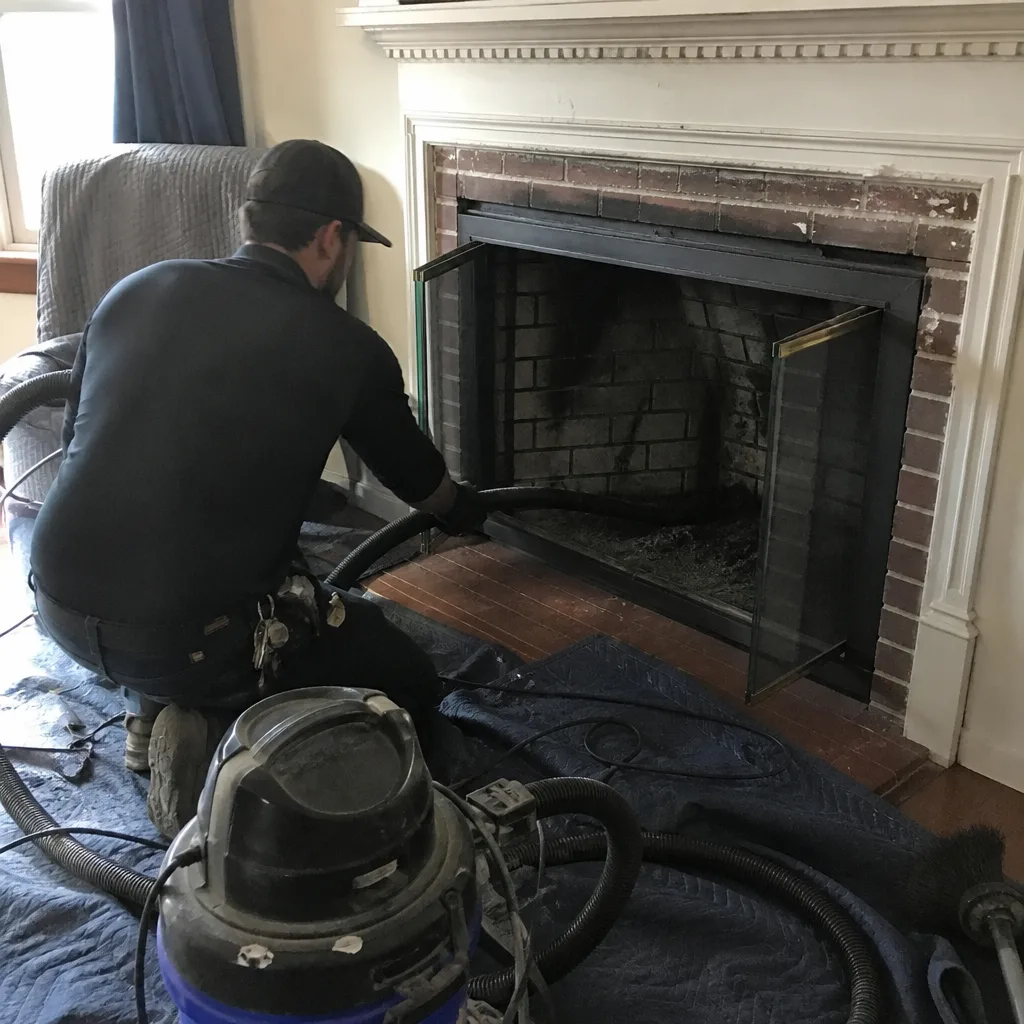 Before
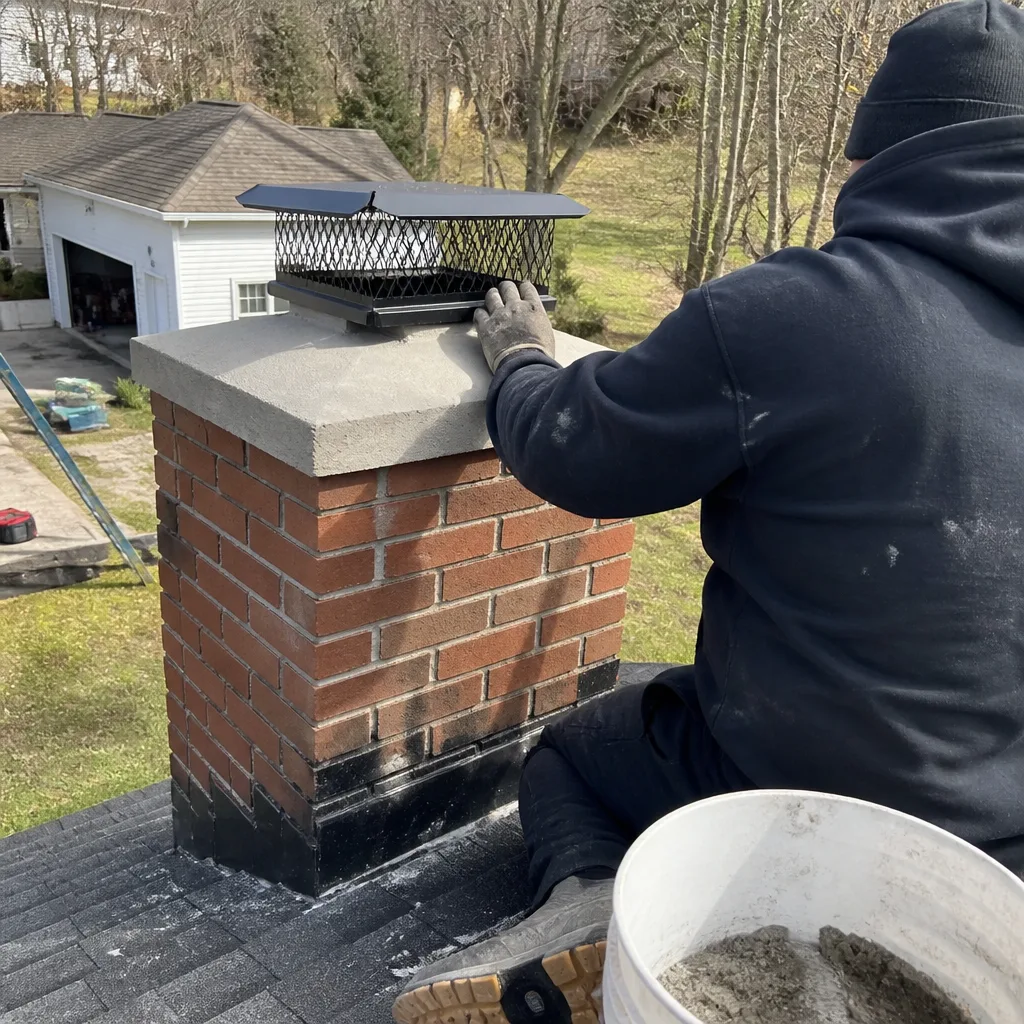 After
After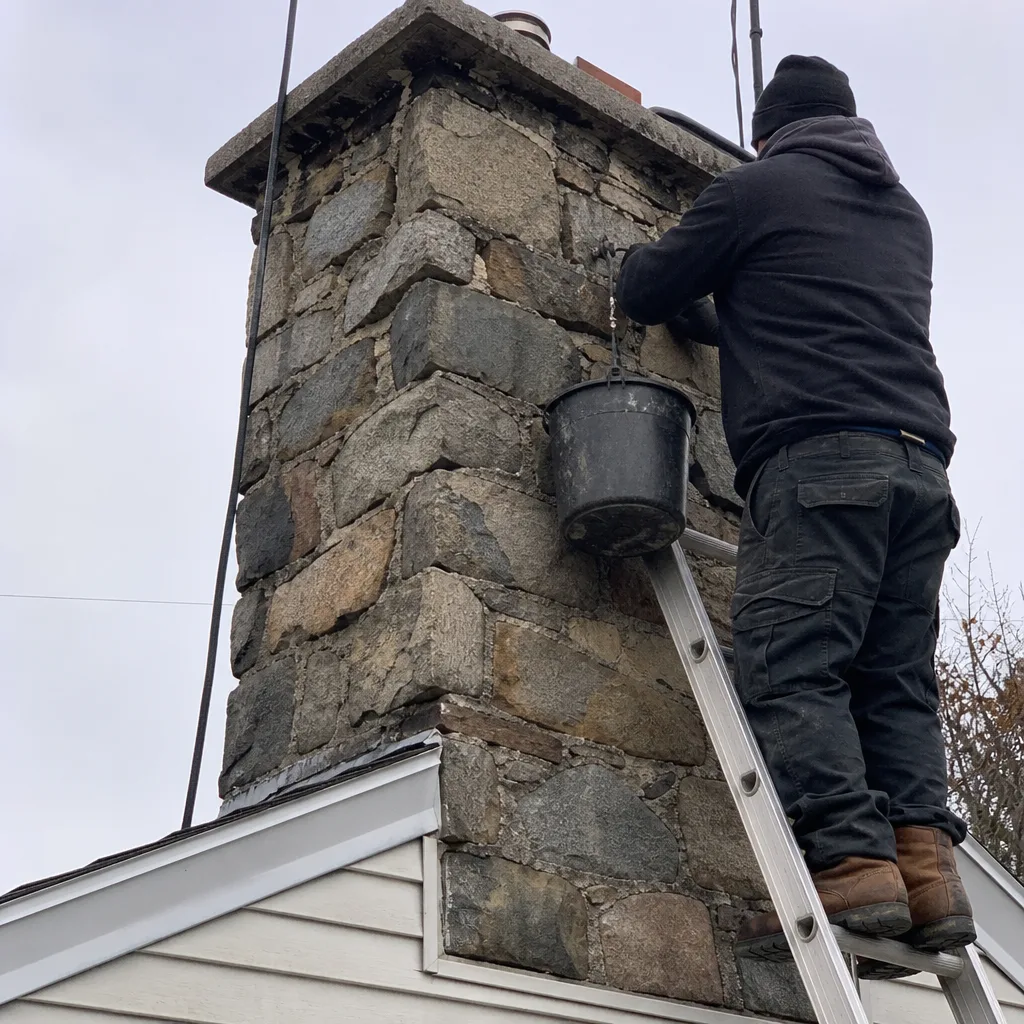 Before
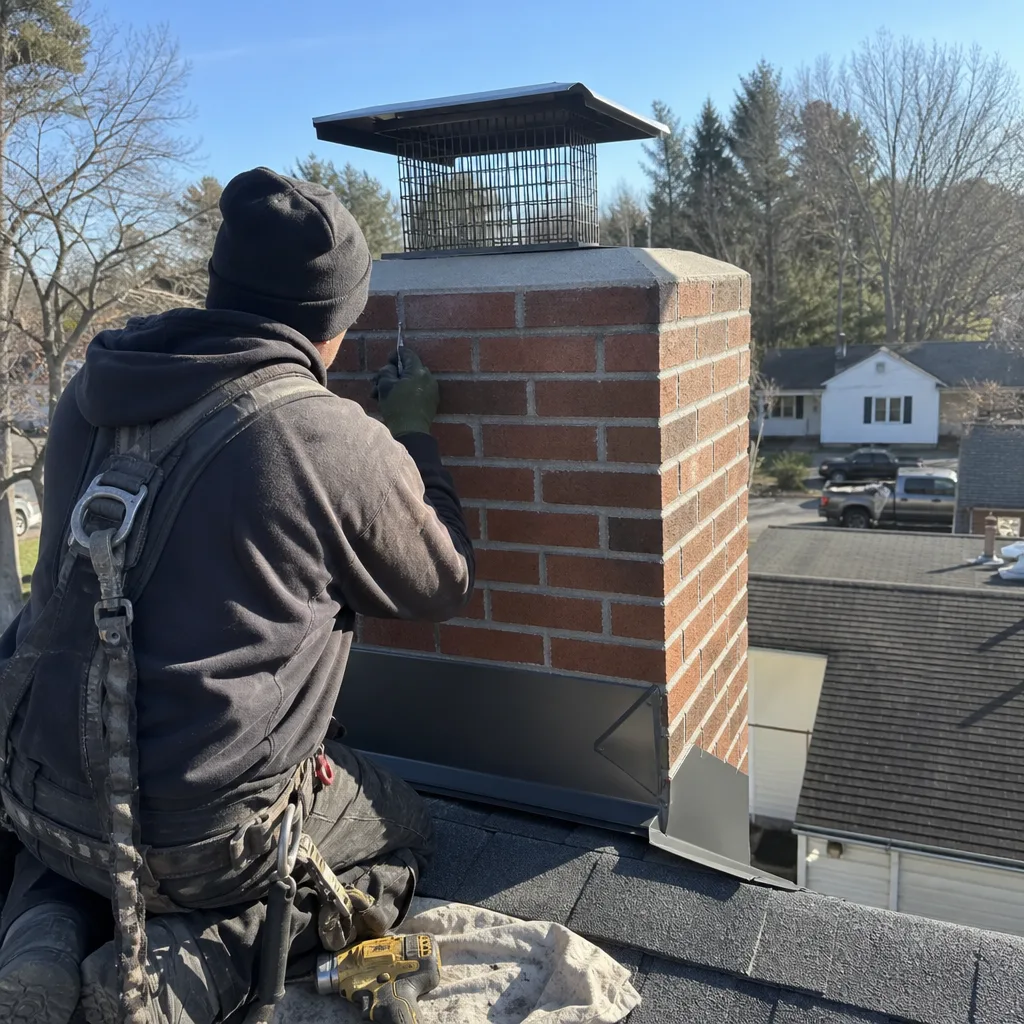 After
AfterChimney Cleaning Warning Signs: A Torrington Homeowner’s Reference Guide
Here’s something that surprises most Torrington homeowners: the most dangerous chimney problems rarely look dangerous at first. A faint smoky smell in July. A few white spots on the brick outside. A fire that acts lazy and won’t draw the way it used to. None of these stop you mid-step. All of them are your chimney talking, and most people walk past the conversation for months. This guide names those quiet warnings in plain language so you know what you’re looking at, which ones mean clean-it-soon, and which one means don’t light another match until somebody qualified has been inside. For a deeper dive, see our Complete Guide to Chimney Cleaning in Torrington.
Quick Answer
The warning signs that matter most in Torrington are: a fireplace that smells smoky when you haven’t burned anything in weeks, black flaky creosote you can scrape off with a fingernail, white staining on exterior brick, a fire that struggles to draw, and any water stain on the ceiling near the chimney. If you see glossy, tar-like creosote inside the flue or any sign of water inside the firebox, stop burning and get an inspection. Most early-stage problems are inexpensive to fix. Ignored ones are not.
Table of Contents
- What a Smoky Smell in Summer Is Actually Telling You
- Creosote: The Warning Sign You Can See and Touch
- White Stains on the Outside Brick (Efflorescence) and Why They’re Never Cosmetic
- Draft Problems vs. Structural Problems: Symptoms Overlap, Fixes Don’t
- Sounds, Smoke Behavior, and What They Point To
- The “Clean” Firebox That Still Has a Dangerous Liner
- The One Sign That Means Stop Burning Until a Sweep Has Been Inside
- Common Mistakes to Avoid
- When to Call a Professional
- Frequently Asked Questions
- The Bottom Line
What a Smoky Smell in Summer Is Actually Telling You
If your fireplace smells like a campfire in July and you haven’t had a fire since March, that’s not nostalgia. It’s airflow. Warm air inside your Torrington home rises and exits through the chimney. When it does, it carries whatever is coating the flue walls right down into the living room with it. That smell is creosote off-gassing, and it gets stronger in humid weather. Torrington summers are damp enough that July and August are when this complaint spikes. That smell won’t burn off or air out. It’s embedded in the deposits inside the flue, and the fix is a proper chimney cleaning, not a scented candle. The good news: a standard sweep usually eliminates it the same day. Our chimney cleaning service in Torrington covers exactly this kind of call.
We’ve walked into houses where the homeowner had repainted the living room, replaced the carpet, and hired an HVAC company to check the ductwork before anyone looked at the chimney. The chimney was the cheapest of all those options and the only one that worked. Your flue doesn’t care how the fire looks. It cares how it breathes.
Creosote: The Warning Sign You Can See and Touch
Creosote is what smoke leaves behind. Every fire produces it. It builds in three stages, and knowing which stage you’re looking at tells you how urgent the situation is. First-degree creosote is a brush job. Third-degree is a glaze, catch it early. That’s the whole strategy.
Here’s how to tell what you’re dealing with:
- First-degree (flaky and dry): Looks like black dust or coffee grounds. Scrapes off with a fingernail. This is normal buildup after a season of burning and a routine sweep handles it.
- Second-degree (shiny and crusty): Harder, with a baked-on look. Still brushable, but it takes more work. In our experience, this shows up most often in chimneys that burn a lot of unseasoned wood or run cool, smoldering fires.
- Third-degree (glazed and tar-like): Looks like a hard, glossy coating, almost like melted plastic. This is the stage that worries a sweep. It’s concentrated fuel. It does not brush off. It requires chemical treatment or mechanical removal with specialized equipment.
Torrington’s heating season runs long. A cold October through March means the fireplace gets worked harder than homeowners realize. If you run a fire most nights between Thanksgiving and Valentine’s Day, you’re a candidate for annual sweeping at minimum. Some homes with heavy burn habits need it twice a season. If you can reach up into the fireplace throat and scrape a fingernail along the wall, what comes off tells you the story. Black dust is normal. A shiny black scale deserves a phone call.
White Stains on the Outside Brick (Efflorescence) and Why They’re Never Cosmetic
Those chalky white patches on the chimney chase are called efflorescence. Other guides will tell you it’s cosmetic. It’s not. Efflorescence is mineral salt left behind when water moves through masonry and evaporates. The white powder is not the problem. The water is. It means moisture is working its way through the chimney structure itself, and in Torrington’s freeze-thaw climate, that moisture is a slow demolition crew.
Here’s the part most people never hear: efflorescence on the outside means water has already been inside. It’s evidence, not the crime. The water could be getting in through a cracked crown, porous brick, failed mortar joints, or a chimney cap that stopped doing its job. Every time the temperature drops below freezing, that trapped water expands. Over a few winters, it spalls the brick face and opens the structure further. That’s how a $400 cap replacement becomes a $4,000 rebuild.
If you see white staining on your chimney in Torrington, don’t scrub it and move on. Get the water source identified. Chimney repair work done early, before spalling starts, stops the damage. Efflorescence is the kind of warning sign that rewards people who act early.
Draft Problems vs. Structural Problems: Symptoms Overlap, Fixes Don’t
A lot of chimney warning signs blur together, and homeowners understandably can’t tell whether they’re looking at a $200 fix or a $2,000 one. If you’re weighing your options, our DIY vs Professional Chimney Cleaning guide can help you decide when to call in the pros. The most confusing overlap is between draft problems and structural problems. A fire that won’t draw properly could be caused by something simple: a cold flue, a clogged cap, creosote narrowing the passage, or negative pressure inside the house (dryers, bath fans, and kitchen hoods all compete for air). Or it could be structural: a shifted liner, a cracked flue tile, a partial collapse inside the chase.
These two categories present identically. You’ll see lazy flames, smoke spilling into the room, a fire that’s hard to start and easy to lose. Trying to diagnose it yourself, from the hearth, is guessing. The only honest answer is a camera inspection. Wendell and his crew run a camera up every flue before recommending anything, because telling the difference from the ground is not possible and anyone who claims otherwise is selling you something.
First-degree creosote is a brush job. Third-degree is a glaze, catch it early. The same philosophy applies to this overlap: catch it when it’s still a draft issue and you’ll never meet the structural version. Once a year, burn or no burn. Chimneys break in the off-season too.
Sounds, Smoke Behavior, and What They Point To
Chimneys don’t make noise by accident. If you’re hearing something inside the flue, something is moving around in there. Here are the sounds Torrington homeowners report most and what they usually mean:
- Scratching or scrambling (early morning, evening): An animal has gotten past a missing or damaged chimney cap. Birds, squirrels, and raccoons are common in Litchfield County. Once they’re in, they nest, they die, or they block the flue entirely. A proper cap with a screened sides prevents this.
- Rustling or flapping: Usually a bird that got in and can’t get out. Sometimes a bat. This one’s urgent because the animal can enter the living space or die in the flue, creating a smell that will own the room.
- A hollow whistling when the wind blows: Air is finding a path through the cap or crown. Not dangerous by itself, but it means the top of the chimney isn’t shedding water and wind the way it should.
- A dull thud after a storm: Could be a loose cap, a dislodged flue tile, or masonry debris. Worth a look from outside, then a call.
Smoke behavior matters too. Smoke that rolls into the room instead of rising is a draft or obstruction issue. Smoke that seems to go up fine but pushes out through the mortar joints in the attic or second floor is an entirely different problem: a liner breach. That one doesn’t wait. If you’ve got smoke exiting the chimney anywhere other than the top, stop burning.
The “Clean” Firebox That Still Has a Dangerous Liner
People judge chimney health by what they can see: the firebox. If it looks clean, they assume the whole system is clean. That assumption has probably launched more chimney fires than any other single belief. The firebox is the easiest part of the system to see and the least telling. The flue liner, which runs the full height of the chimney and contains the actual fire traffic, is invisible from the hearth. It can be cracked, warped, glazed with third-degree creosote, or separated at a joint while the firebox below looks like a showroom.
There is one thing you can check from ground level: the throat area, where the firebox narrows into the flue. If you look up past the damper with a flashlight and see shiny black glaze, that’s the concentrated fuel we talked about earlier. That glaze usually continues up the liner. If you see it, the sweep is not optional. The camera footage and a plain-English verdict, every time, no exceptions. That’s how we operate at Top Hat Chimney, and it’s why we don’t recommend liner work without showing you the video.
The same logic runs the other direction: a dirty firebox that frightens you might be attached to a liner that’s in perfectly good shape. Don’t self-diagnose based on what’s visible. The visible part isn’t the working part.
The One Sign That Means Stop Burning Until a Sweep Has Been Inside
This is the section to read twice. If you see any sign of water inside the firebox, stop using the fireplace and make the call. Water inside the firebox means water is entering the chimney structure above it. It might be coming through a cracked crown, failing mortar, a missing cap, or a liner that rusted through. When water reaches the firebox, it’s been traveling, and it’s been doing damage along the route. Add a fire on top of that damp, deteriorated system and you’re burning inside a chimney that may no longer be sealed. That’s the setup for a chimney fire. No alarm-bell language here, just the plain fact: wet chimney plus fire equals risk you don’t need to take. If you see water in the firebox after rain, or you see rust staining, or you hear sizzling when you burn, stop. Let a sweep look. It’s that simple.
Our fireplace services in Torrington start with a camera inspection every time. Nothing gets recommended until we can show you what we’re seeing.
Common Mistakes to Avoid
- Assuming the smell is the fireplace’s personality. A smoky smell means deposits are off-gassing. It won’t go away with time. It goes away with a sweep.
- Ignoring efflorescence because it’s “just cosmetic.” White staining is water migration. Water migration in a Torrington freeze-thaw cycle means masonry damage. Every year you wait, the repair gets bigger.
- Waiting for the fire to burn hot enough to “clean out” the chimney. A hot fire does not clean creosote. In some cases, it converts flaky creosote into the glazed kind. Don’t try to burn your chimney clean.
- Judging the liner by the firebox. The firebox tells you almost nothing about the liner. A clean firebox and a dangerous liner coexist all the time.
- Treating draft problems as a nuisance rather than a symptom. Lazy draw is a symptom. It’s either an easy fix (clogged cap, cold flue) or a structural one (cracked liner, failed flue tile). You can’t know which until someone looks inside.
- Scrubbing efflorescence off the brick and calling it handled. The stain is evidence, not the problem. Scrubbing it is deleting the voicemail without listening to it.
- Ignoring a water stain on the ceiling near the chimney because “the roof was replaced recently.” Roofs aren’t the only water source. The chimney chase penetrates the roof, and its flashing, crown, and cap are separate systems. A new roof doesn’t fix a cracked chimney crown.
When to Call a Professional
Call when you see any of the following: smoky smell in warm weather, shiny creosote you can’t scrape off, white staining on the exterior brick, water in the firebox, smoke exiting the chimney anywhere other than the top, or animals making noise inside the flue. If you’ve got a draft problem that’s new or getting worse, get a camera inspection before you take anyone’s word on the fix. Top Hat Chimney offers free estimates in Torrington. Call (860) 744-2656 and we’ll set up a time. Wendell has been doing this since 1999 and he’s happy to tell you when a chimney is fine and no work is needed. Those calls happen more than you’d expect.
Frequently Asked Questions
In Torrington, a standard chimney sweep typically runs between $180 and $350, depending on the level of creosote buildup and whether the chimney needs any special treatment. We give upfront pricing before any work begins, and the number you get on the phone is the number on the invoice. Call (860) 744-2656 for an exact quote.
Once a year, burn or no burn. Chimneys break in the off-season too. If you burn most nights through a Torrington winter, you may need a mid-season check as well. The National Fire Protection Association recommends annual inspection and cleaning as needed, and that standard applies whether you burn wood or just use the fireplace occasionally.
You can’t see a liner from below. What looks fine from the firebox can be cracked, separated, or glazed with creosote up where you can’t see. The only honest way to assess a liner is with a camera inspection. At Top Hat Chimney, we don’t recommend liner work without showing you the footage. If the camera says the liner is sound, we’ll tell you to leave it alone and save your money.
Creosote builds in layers. The thicker it gets, the more concentrated the fuel. Eventually a hot fire or a stray spark ignites it, and a chimney fire burns hotter than most homeowners imagine, often cracking the flue and damaging the structure. Before that, you’ll usually notice a smoky smell, sluggish draw, or visible buildup inside the throat. Skip it long enough and you’re moving from a $250 sweep into repair territory. The sweep is always cheaper.
Warm, humid air rises through the flue and carries creosote odors down into the living space. Torrington’s damp summers make this worse than dry climates. The smell is coming from deposits coated on the flue walls. A professional chimney cleaning removes the deposits and the smell with them.
You can check the firebox and the throat area with a flashlight. You can look at the exterior brick and the cap from the ground. What you can’t do is see the full length of the flue liner, which is where the serious problems live. Professional chimney sweeps use camera equipment designed for exactly this. The camera footage and a plain-English verdict, every time, no exceptions. That’s how it should work.
The Bottom Line
Chimney warning signs are easy to dismiss because they’re rarely dramatic. A smell. A stain. A lazy fire. But each one is a message about what’s happening inside the flue, and the messages get more expensive the longer you ignore them. The pattern holds no matter which warning you’re seeing: early action is cheap, delayed action isn’t. If you’re in Torrington and something about your chimney has been nagging at you, get it looked at, or browse our more guides & resources to learn what to expect. No-hassle upfront pricing, a live person on the phone, and honest answers even when the answer is “leave it alone.” Ask anyone on your street.
Written by Wendell Pike, Owner at Top Hat Chimney, serving Torrington since 1999.
If you’re ready for a sweep or just want a straight answer about what you’re seeing, call (860) 744-2656 today. We answer in person, around the clock, and estimates are free.