
Last updated September 10, 2026
Level 1 sweep and inspection to the NFPA 211 annual standard - flue, crown, cap, and flashing checked and photographed
Chimney sweep logs do not sweep chimneys. They loosen some creosote - which then falls where a brush and vacuum still have to collect it.
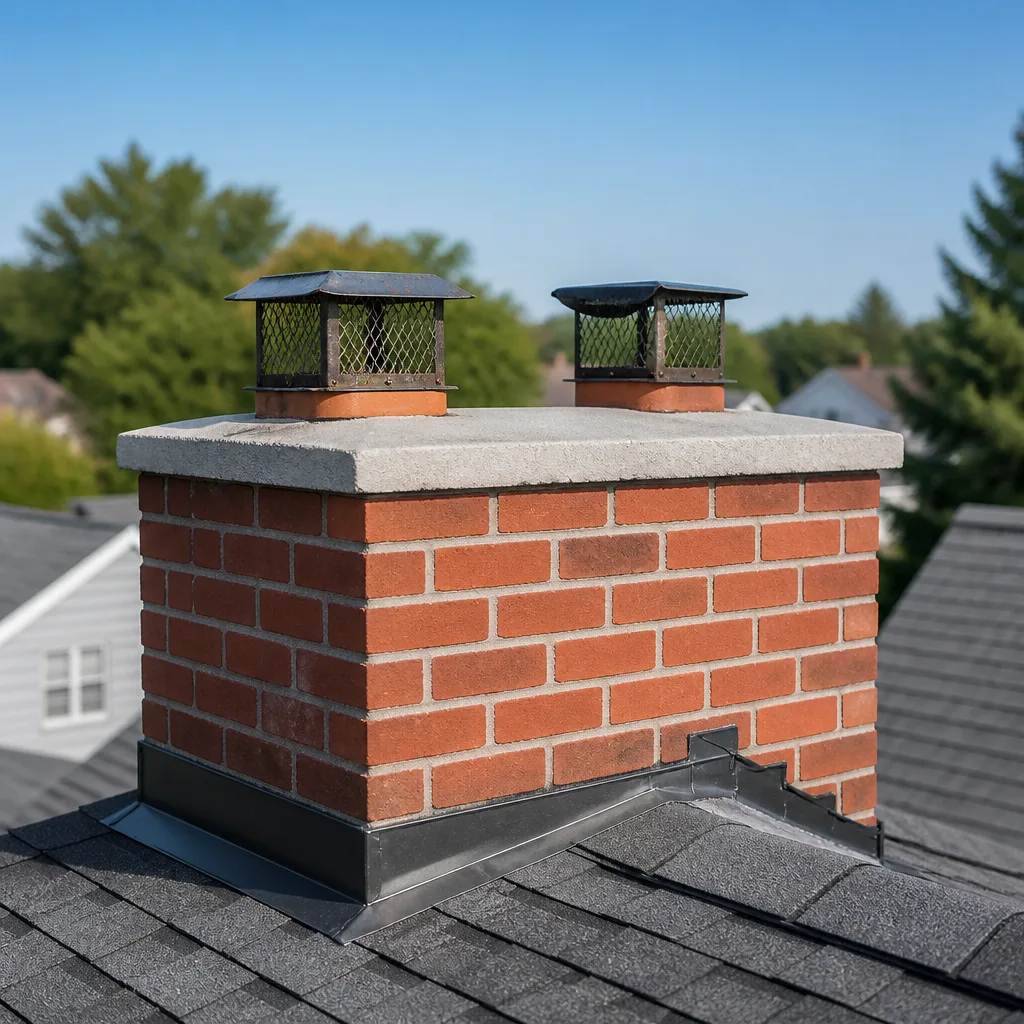
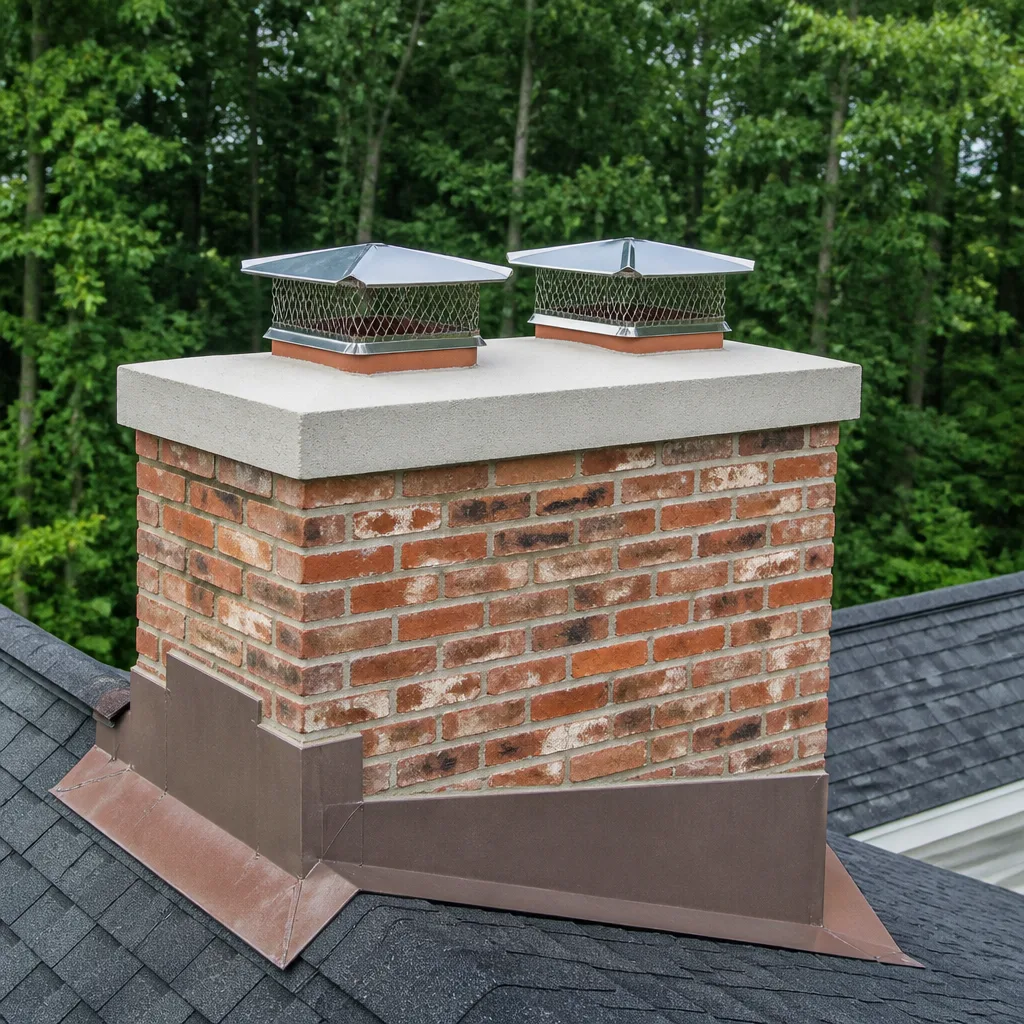
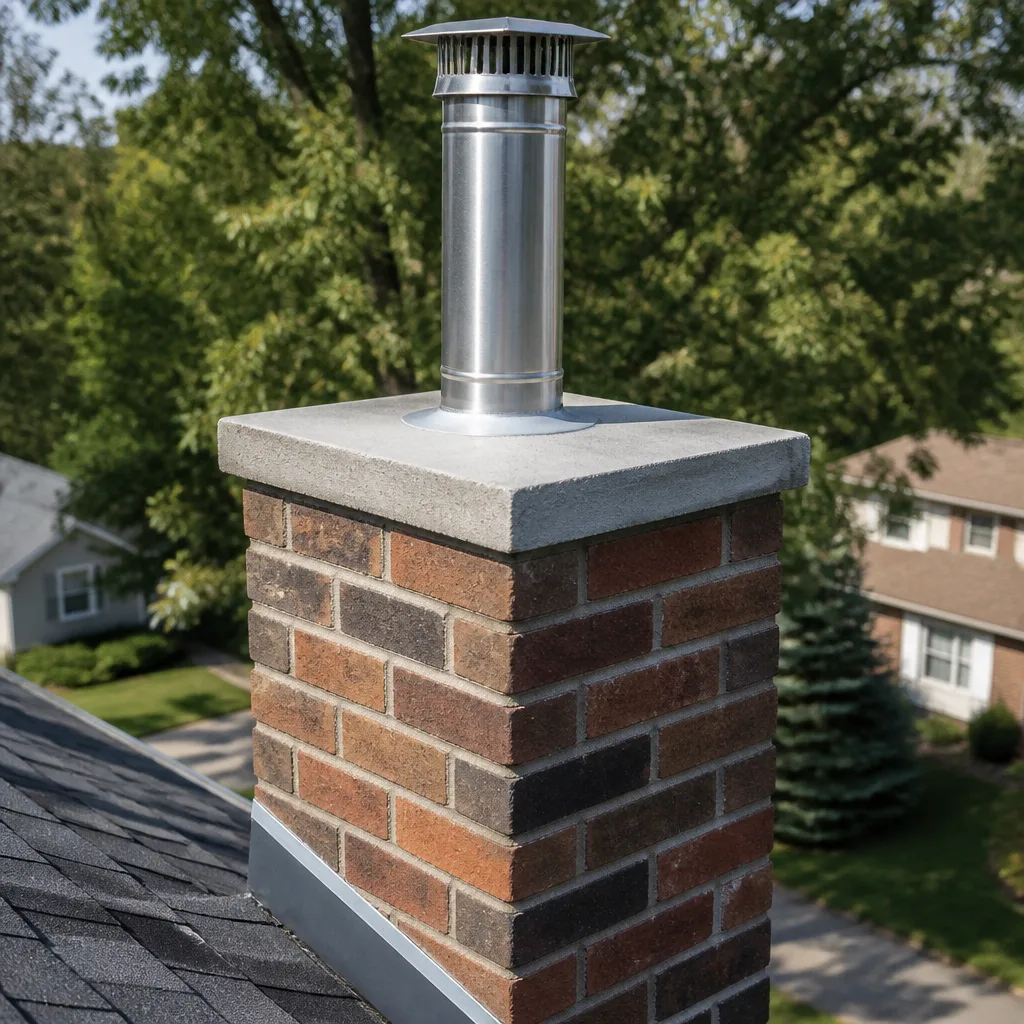
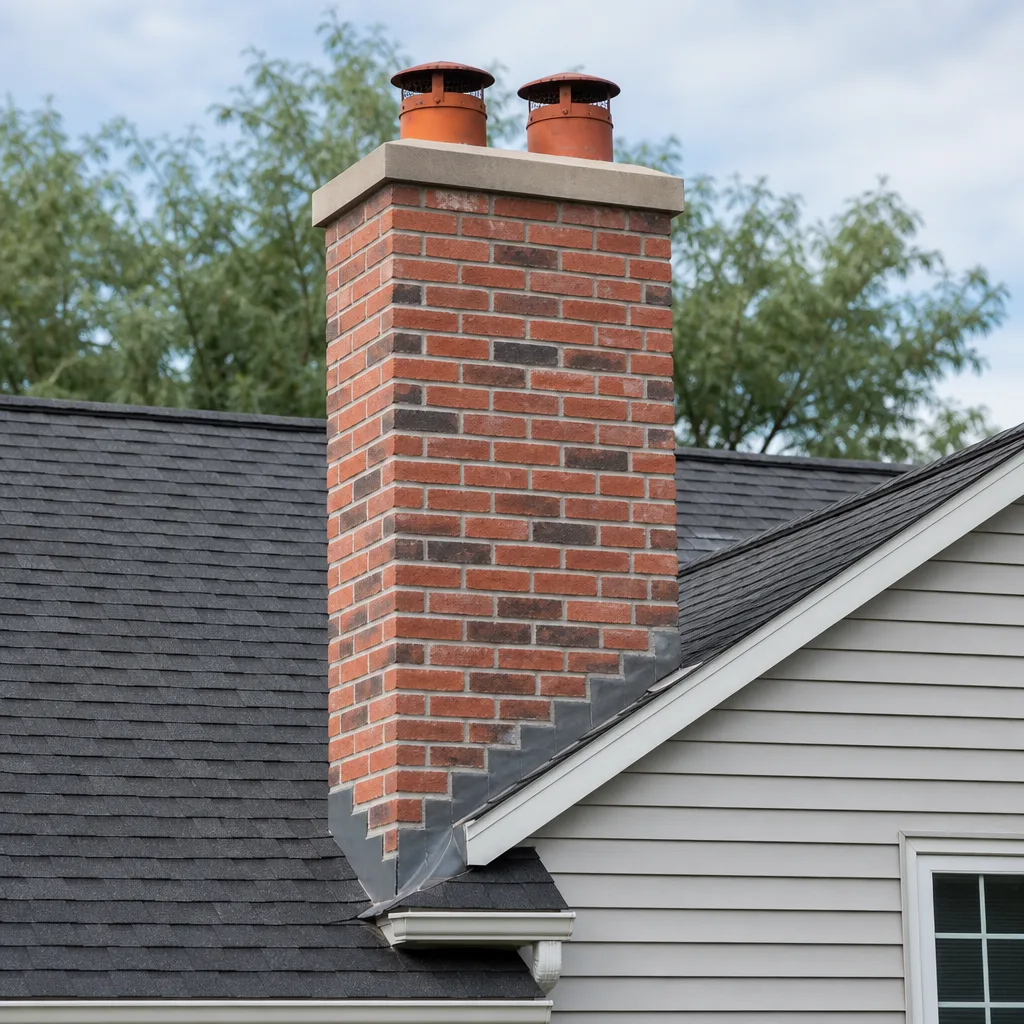
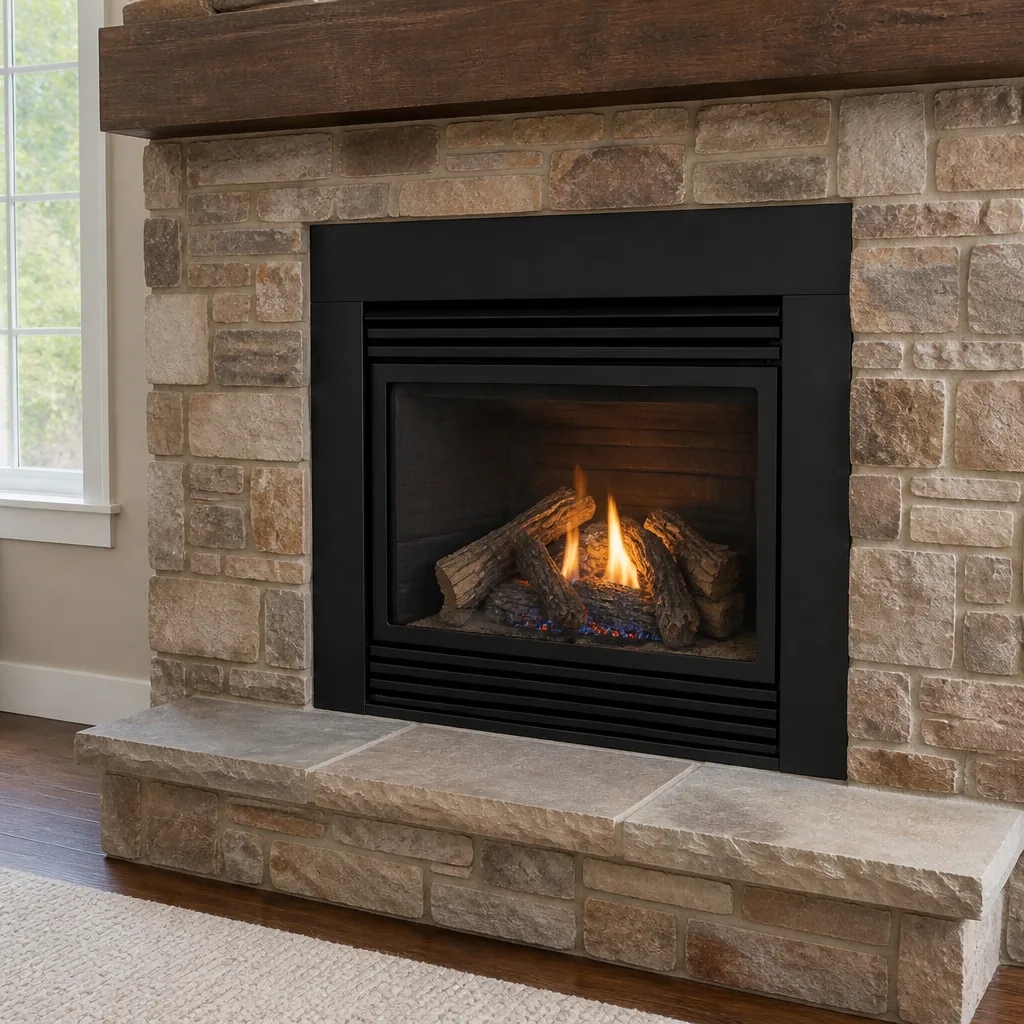
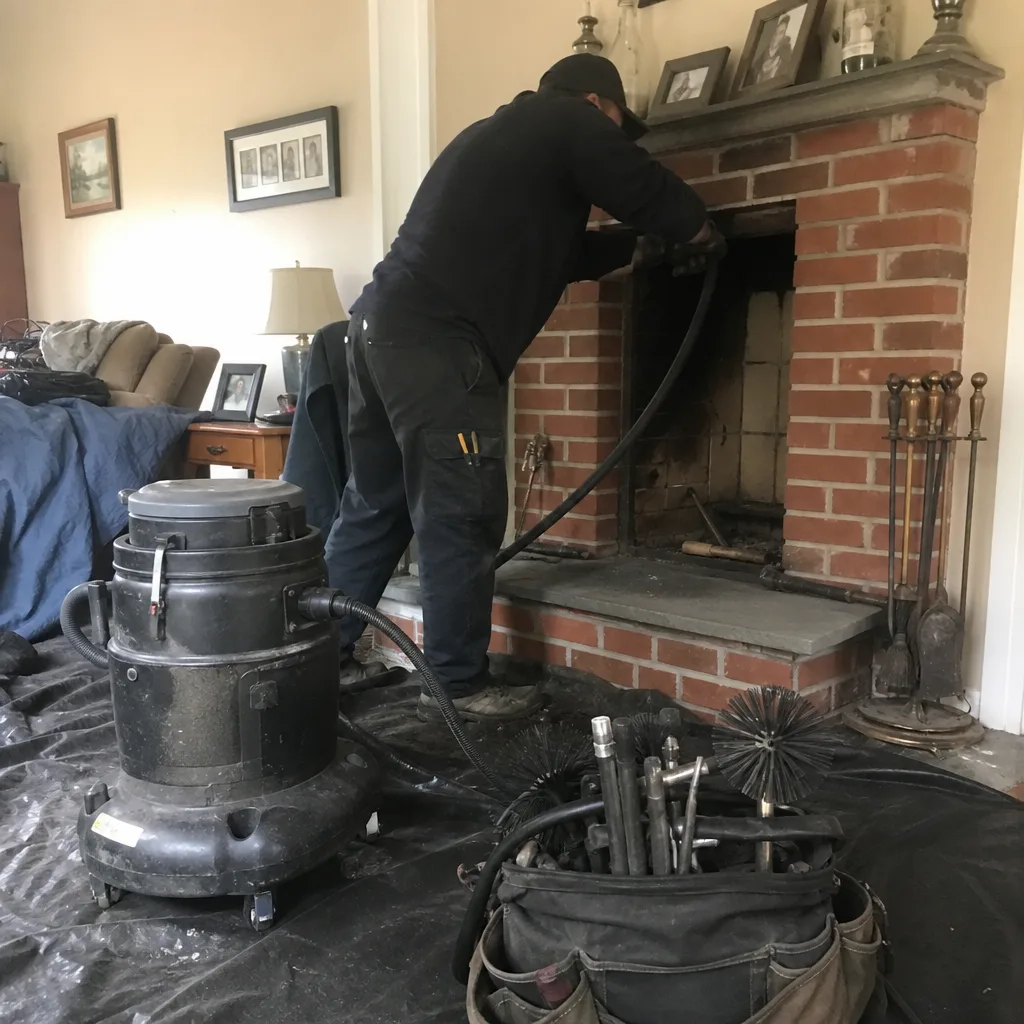 Before
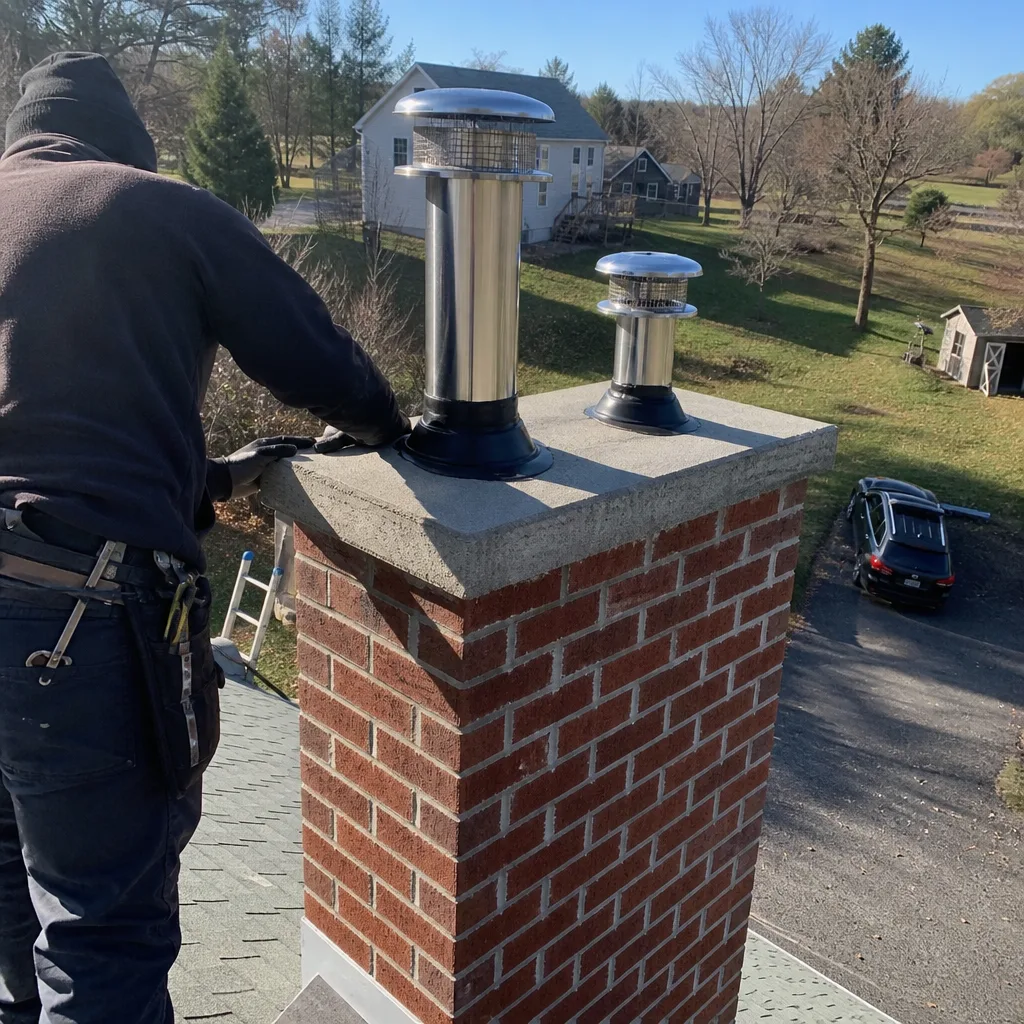 After
After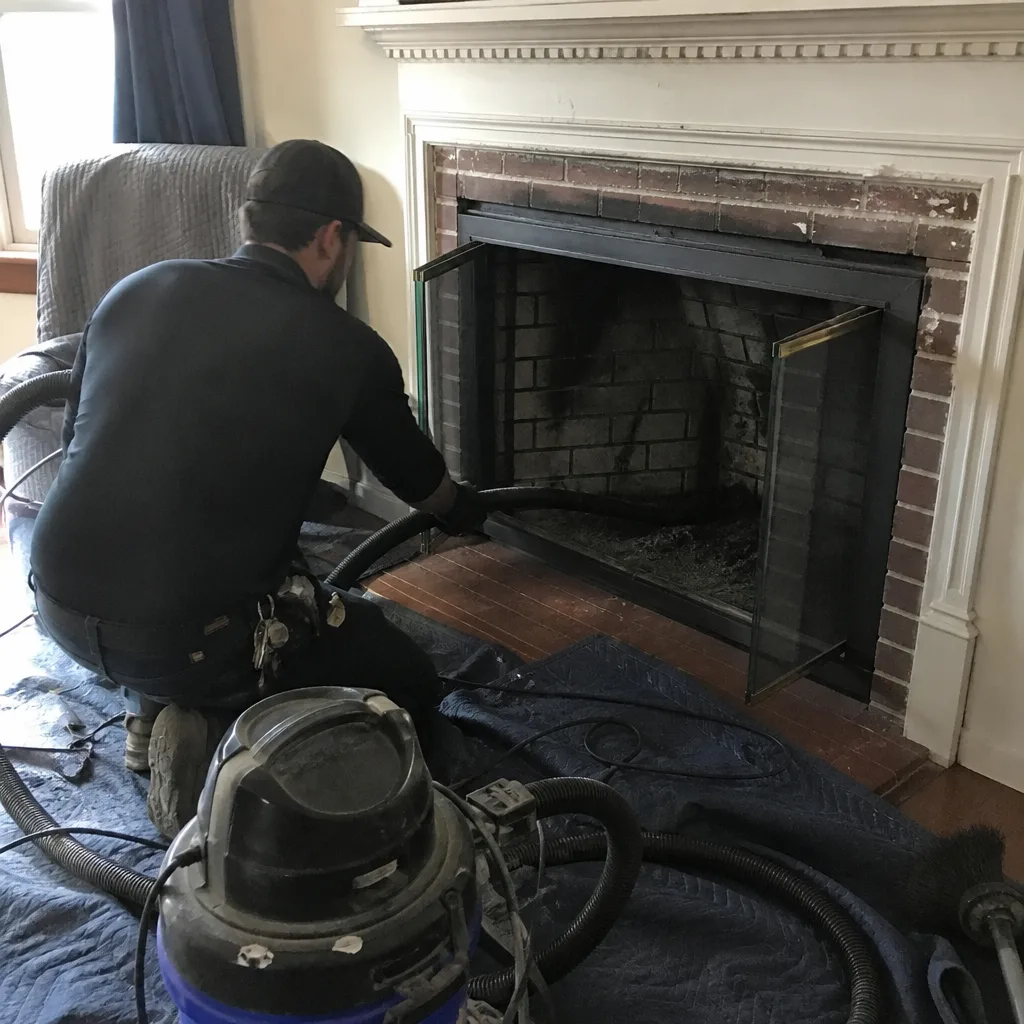 Before
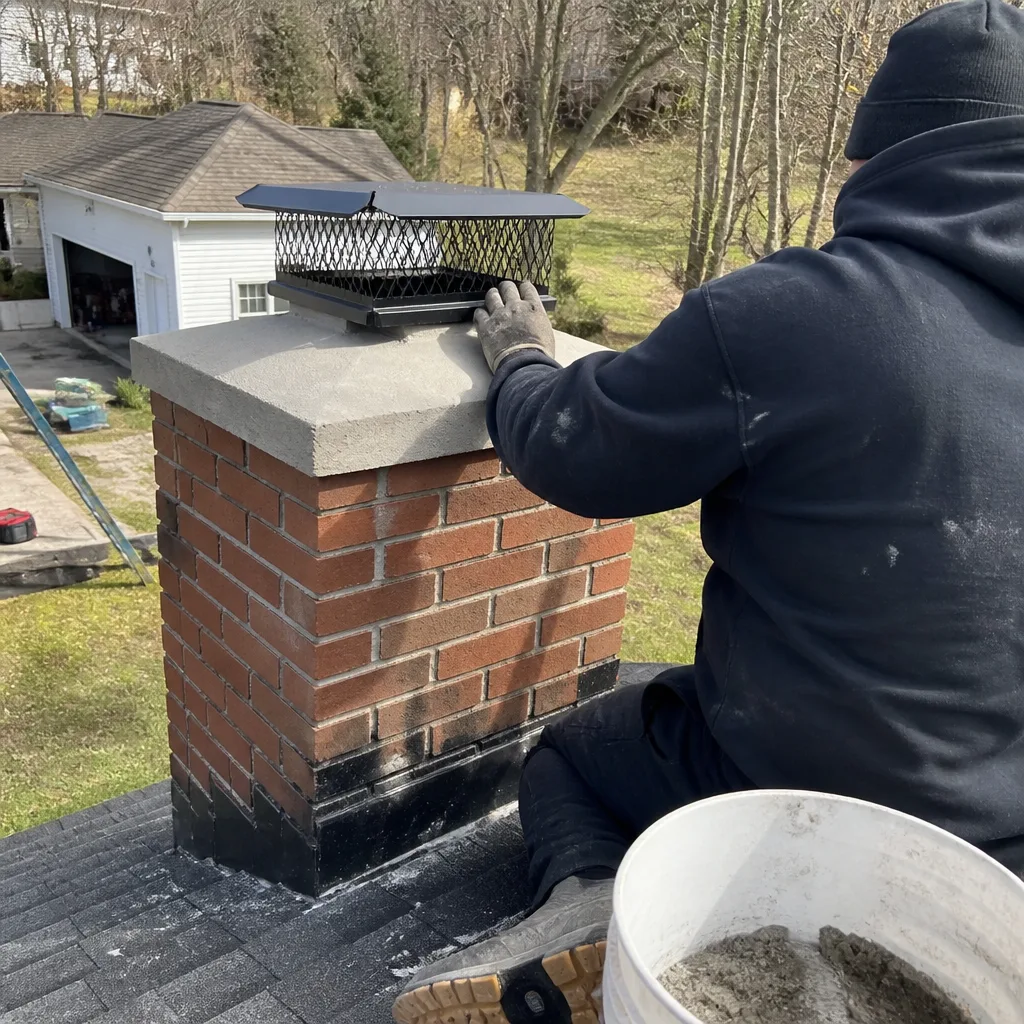 After
After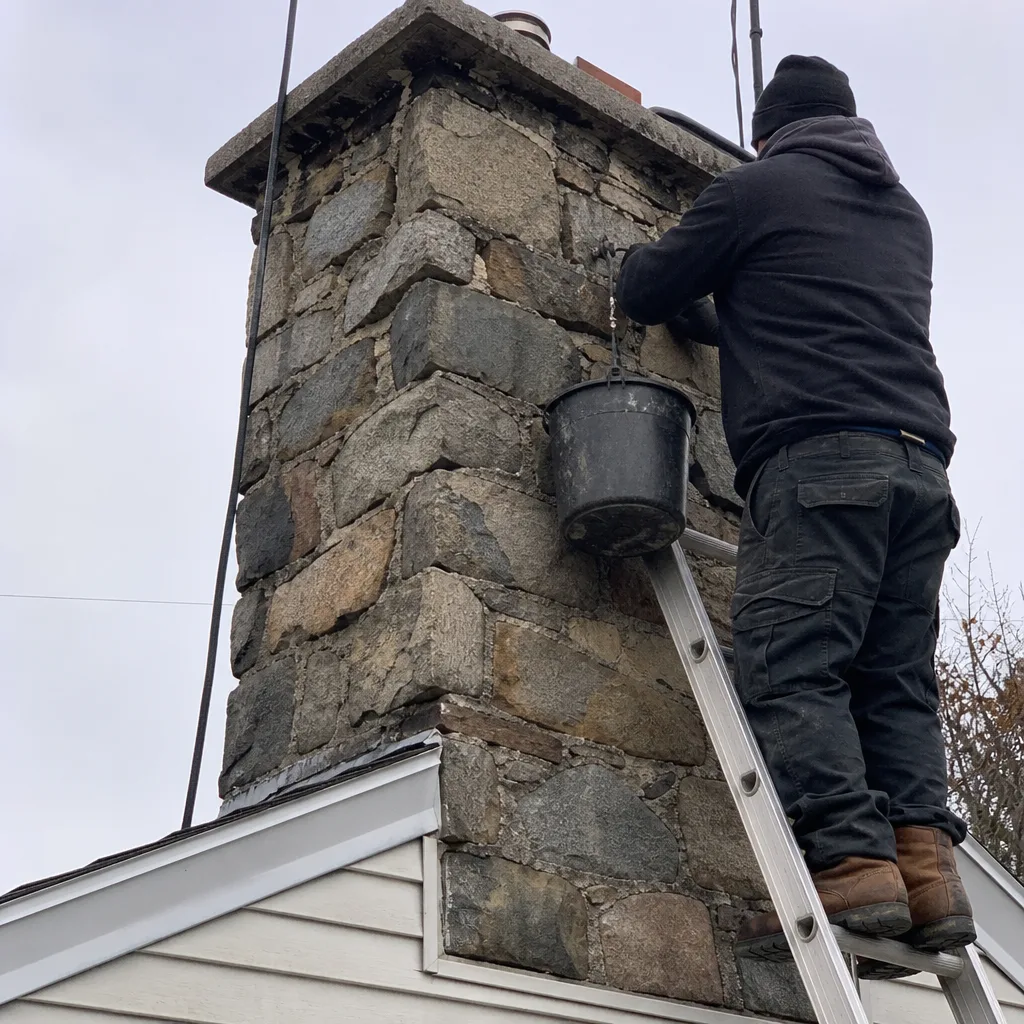 Before
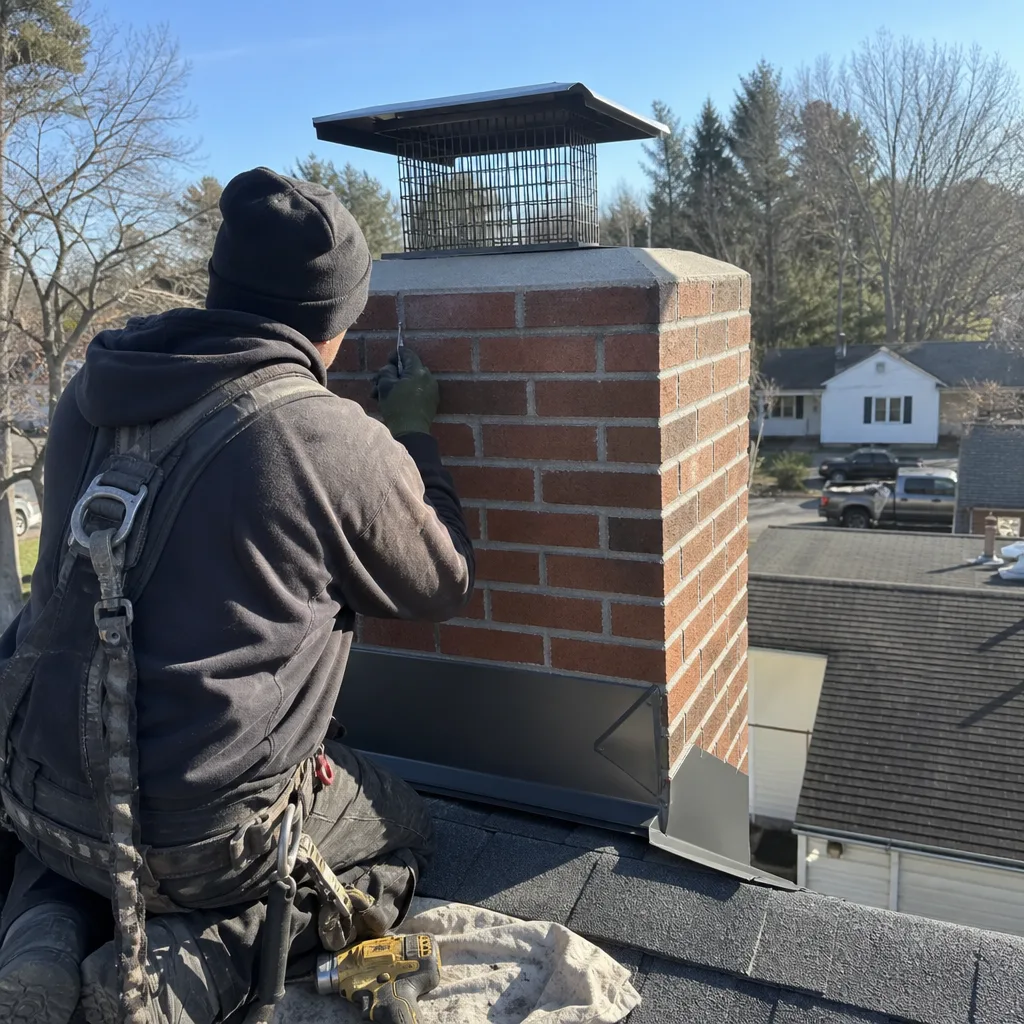 After
AfterChimney Cleaning Permits, Codes & Inspections in CT: What You Need to Know
Connecticut’s State Building Code has specific language about chimney systems that your sweep is legally required to follow, but fewer than half of homeowners know it exists, and some sweeps are counting on that. The line between a routine cleaning and a code-triggering repair is not always obvious from the ground. This guide walks through exactly where that line sits in Connecticut, how Torrington’s building department fits in, what NFPA 211 actually requires, and how unpermitted work can come back to haunt you at resale. For a deeper dive, see our The Complete Guide to Chimney Cleaning in Torrington. We’ve spent 29 years inside chimneys across Litchfield County, and we’ve seen what happens when this gets skipped.
Quick Answer
A standard chimney cleaning or sweep in Connecticut does not require a permit, but any repair that touches the flue liner, firebox, smoke chamber, or structural masonry usually does. When in doubt, call your local building department before the work starts, because unpermitted chimney repairs are one of the most common red flags in Connecticut home inspections and can delay or derail a sale.
Table of Contents
- What Actually Triggers a Permit in Connecticut
- What NFPA 211 Requires and Why It Matters
- How Torrington’s Building Department Handles Chimney Work
- The Resale Problem: Unpermitted Work and Home Inspections
- Chimney Inspections and Insurance Claims
- What It Costs to Remediate Unpermitted Work
- How to Vet a Sweep on Code Compliance
- Common Mistakes to Avoid
- When to Call a Professional
- Frequently Asked Questions
- The Bottom Line
What Actually Triggers a Permit in Connecticut
Here’s the short version: a chimney cleaning is classified as maintenance, and Connecticut does not require a permit for maintenance. The moment you cross into repair, alteration, or replacement of the chimney system’s functional components, you’re in permit territory under the Connecticut State Building Code, which is based on the International Residential Code with Connecticut-specific amendments. The state code applies everywhere, including Torrington, though local enforcement varies by municipality.
The practical breakdown looks like this:
- No permit needed: sweeping, brush cleaning, creosote removal, soot removal, visual inspection, camera inspection, smoke test. This is routine maintenance.
- Permit usually required: flue liner replacement or resizing, firebox rebuilding, smoke chamber parging or repair, crown repair that involves removing and re-pouring concrete, damper replacement that requires masonry alteration, chase cover replacement that requires flashing work at the roofline, and any structural repair to the chimney stack itself.
- Permit always required: full chimney rebuilds, partial teardowns above the roofline, any change to the chimney’s height or internal dimensions, any conversion of the appliance venting through the chimney (like switching from a fireplace to a wood stove insert without an existing listed liner).
The distinction matters because the permit is not just a piece of paper. It triggers an inspection by the local building official, which is a second set of eyes on the work. When a sweep tells you the job doesn’t need a permit, that claim is only true for the first category. If the work being proposed sits in the second or third category and the sweep says no permit is required, that’s a red flag. In our experience around Torrington, Harwinton, and Goshen, honest confusion is common, but the best sweeps will tell you when they’re not sure and offer to call the building department with you.
Here’s the other piece homeowners miss: the permit is not granted to the homeowner or the sweep. It’s granted to the work. So when we say “permit usually required for liner replacement,” we mean the job requires it, not the company doing the job. A reputable company like Top Hat Chimney home will handle the permit paperwork as part of the job. A less reputable company will tell you the permit is unnecessary and knock some money off the quote. That discount is not a discount. It’s an unpermitted liability on your deed.
What NFPA 211 Requires and Why It Matters
NFPA 211 is the National Fire Protection Association standard for chimneys, fireplaces, vents, and solid fuel burning appliances. It is not a law on its own, but Connecticut adopts it by reference into its fire code, which gives it legal weight. Insurance companies also lean heavily on NFPA 211 when evaluating chimney-related claims.
The key requirement homeowners should know: NFPA 211 sets the annual inspection standard. It says chimneys, fireplaces, and vents should be inspected at least once a year by a qualified person, and cleaned when the inspection reveals an unsafe accumulation of creosote or obstructions. The phrase “once a year, burn or no burn” is sound guidance, because chimneys break in the off-season too, and the standard doesn’t care whether you burned last winter. It cares whether the system is safe today.
NFPA 211 also defines three levels of inspection:
- Level 1: Visual inspection of the readily accessible parts of the chimney, fireplace, and flue. This is the standard inspection during a routine sweep when the system hasn’t changed since the last inspection.
- Level 2: Everything in Level 1 plus accessible areas like the attic, crawlspace, and roof, often with camera scanning of the flue. This is required when the property is being sold or transferred, after any chimney fire, after an operating malfunction, or after any change to the system like a new liner or an appliance switch.
- Level 3: Everything in Level 2 plus access to concealed areas of the fireplace or chimney, sometimes requiring removal of interior walls or masonry. This is reserved for cases where a Level 2 inspection finds damage that needs a closer look.
The insurance angle is where this gets concrete. If you have a chimney fire and file a claim, the adjuster will ask for the last chimney inspection report. No report, or a report that’s six years old, gives the carrier grounds to reduce or deny the claim. Connecticut homeowners in towns like Torrington, Winsted, and New Hartford burn a lot of wood in older homes, and insurance adjusters know what those chimneys look like. A dated inspection report from a qualified sweep is the strongest piece of paper you can hand them. At Top Hat Chimney, every job ends with a written report and, when requested, camera footage of the flue condition. The camera footage and a plain-English verdict, every time, no exceptions.
How Torrington’s Building Department Handles Chimney Work
Torrington falls under the Connecticut State Building Code, which means the technical requirements are the same as anywhere else in the state. But every local building department interprets and enforces the code a little differently, and Torrington has its own applicant process.
If you’re in Torrington and want to confirm whether your chimney work needs a permit, you call the Torrington Building Department directly. Describe the work in plain terms and ask. The staff there are familiar with chimney liner replacements, rebuilds, and crown work, and they’ll tell you whether a permit application is required. In our experience, they’re straightforward about it. They would rather answer a question before the work than inherit an unpermitted chimney after.
What you can expect with a permit in Torrington:
- A permit application is filed by the contractor or the homeowner, with a description of the work and the scope.
- The building official reviews it against the State Building Code, including the masonry and venting chapters that apply to chimneys.
- A fee is assessed based on the estimated cost of the work.
- An inspection is scheduled when the work is complete, and the inspector verifies that the liner, crown, or masonry matches the approved scope.
- The permit is closed, and the work is on record with the city.
That record matters more than most people realize. When you sell a house in Torrington, the buyer’s home inspector and the buyer’s attorney may pull permits for the property. A closed chimney permit tells them the work was done legally and inspected. No permit tells them a story they’ll want explained.
If you’re outside Torrington, in Litchfield, Goshen, or Harwinton, the same state code applies, but call the building office in your town before starting any repair work. The rules don’t change at the county line, but the phone number does.
The Resale Problem: Unpermitted Work and Home Inspections
Here’s the scenario we hear about most often. A homeowner in Torrington or one of the surrounding towns sells a house. The buyer’s home inspector flags the chimney. The inspector notes that the flue liner was replaced at some point, that the work is visible, and that no permit appears on file with the building department. The buyer’s attorney requests documentation. The seller has none. The work was done ten years ago by a sweep who said a permit wasn’t necessary. Now the buyer wants a price concession, or the deal stalls.
This is not a hypothetical. Connecticut is a state with old housing stock, a heavy reliance on wood heat in the northwest hills, and a resale market where buyers are cautious about unpermitted work. Chimney liners, in particular, are a common point of contention because the repair is interior, hard to verify from the outside, and expensive to redo if it fails.
What unpermitted work typically costs at resale:
- The buyer may ask for a credit at closing to cover the cost of pulling a retrospective permit and potentially redoing the work. This can run several thousand dollars.
- The town may require a “permit after the fact,” which is not guaranteed. If the building official won’t sign off without opening the chimney up, the liners may have to come out and go back in.
- The seller may have to accept a lower price, or a longer escrow hold, to compensate for the uncertainty.
- In the worst case, the buyer walks. Buyers in this market have options, and an open chimney question is an easy reason to keep looking.
We have worked on the remediation side of this more than once. A homeowner gets the call from their listing agent, and suddenly the unpermitted liner installed in 2014 is the only thing standing between them and the closing table. The fix usually works out, but it costs more than the permit would have. The honest summary is this: the permit fee is cheap compared to what the lack of one costs later.
Chimney Inspections and Insurance Claims
Insurance carriers treat chimney fires differently than most people expect. A wildfire burns a whole property and the claim is clear. A chimney fire that starts inside the flue and spreads to the chase or the roof is a different animal, because the carrier will look for evidence of maintenance before it writes a check.
The questions a Connecticut adjuster typically asks after a chimney fire:
- When was the chimney last inspected? Do you have a written report?
- When was it last swept? Do you have an invoice or receipt?
- Was the fireplace or stove used in accordance with the manufacturer’s instructions?
- Was there any prior known damage that was not repaired?
A homeowner who can produce a dated inspection report and a cleaning invoice from the same year is in a strong position. A homeowner who cannot is arguing from memory, and memory does not win claim disputes. This is the practical reason why NFPA 211’s annual inspection requirement matters whether you file a claim or not. The paperwork becomes the claim.
The same logic applies to the other end of the chimney. If a top-down rebuild is done without a permit and the flashing fails three years later, causing water damage to the attic and second-floor ceiling, the insurance carrier may ask whether the work was permitted. If it wasn’t, the claim can get complicated fast. Not every claim is denied for unpermitted work, but every unpermitted repair introduces a question you’d rather not have to answer after the damage is done.
What It Costs to Remediate Unpermitted Work
If you already own a house with unpermitted chimney work, or you’re buying one, the remediation path is predictable. The town will not simply accept a photo and a handshake. Depending on the municipality, the process looks like this:
You file for a permit after the fact, pay the permit fee plus whatever penalty the town assesses for unpermitted work, and schedule an inspection. The building official then has to verify that the work meets code, which often means opening access. For a liner replacement, that can mean pulling the damper frame, enlarging an access panel, or removing a section of the smoke chamber parging to expose the liner. If the inspector approves it, the permit closes, and you have your paperwork. If the inspector does not approve it, you redo the work.
Typical remediation costs in the Torrington area, based on jobs we’ve seen in the last five years:
| Remediation Item | Typical Cost Range |
|---|---|
| Permit after the fact, including penalty | $150 to $600, depending on the town and the scope |
| Opening access for inspection (removing parging, damper frame, or wall section) | $250 to $1,200, depending on how much access the inspector requires |
| Re-lining an average two-story chimney if the original unpermitted liner fails inspection | $3,500 to $7,500, depending on height, access, and liner material |
| Full rebuild above the roofline if the unpermitted masonry is determined unsafe | $4,000 to $12,000+ |
Those ranges assume a typical Connecticut two-story colonial or a mid-sized cape. A taller chimney, a steep roof in the Litchfield hills, or a chase with difficult access pushes the numbers up. The point is not that every unpermitted job costs this much to fix. The point is that the permit would have cost a fraction of any one of these line items.
How to Vet a Sweep on Code Compliance
You hire a sweep, they come out, and they tell you the liner is cracked and needs replacing. The quote is specific. The urgency is high. What they may not tell you is whether the job requires a permit. Here’s how to ask that question and what the answer reveals.
Ask the sweep directly, before you sign anything: “Does this work require a permit in Torrington, and will you pull it?” The answer should be clean. It should be one of two things:
- “No, this is a routine cleaning and inspection, no permit required.” That’s a normal answer for maintenance work, and it’s accurate.
- “Yes, the liner replacement requires a permit, and we’ll pull it with the building department.” That’s the answer you want for repair work.
Anything vaguer than that is worth paying attention to. A sweep who says “you don’t really need a permit for this around here” is either uninformed about the state code or willing to skip it to close the deal. Either way, that’s not the contractor you want inside your chimney. A vague answer tells you more than a wrong answer does.
The second question is just as useful: “Will the work be inspected after it’s done?” If the answer is that the town inspector will come by, good. If the answer is that inspection is unnecessary or that the sweep will just “check it themselves,” hang up. The whole point of a permit is the independent inspection. A company that avoids the inspector is avoiding independent verification, and no written quote changes that.
Common Mistakes to Avoid
- Assuming a cleaning and a repair are the same thing for code purposes. They’re not. Cleaning is maintenance. Repair is construction. The code treats them differently, and so do building departments in Torrington and every other Connecticut town.
- Taking a sweep’s word for it that no permit is needed without checking. The sweep is motivated to close the job. A two-minute call to the Torrington Building Department settles it once and for all.
- Filing an insurance claim without a chimney inspection report. The adjuster will ask for it, and a blank space where a report should be weakens your whole claim.
- Ignoring the Level 2 inspection at resale. Connecticut buyers and their inspectors expect it. Skip it, and the buyer’s inspector will find the issue anyway.
- Letting an unpermitted liner ride because the house isn’t for sale. You don’t know when you’ll sell, and the remediation cost is lower today than it will be under pressure at closing.
- Confusing a home inspector with a chimney inspector. A general home inspector walks the roof and may run a camera up the flue, but that’s not the same as a dedicated Level 2 inspection by a certified sweep with the right camera rig.
- Hiring a sweep who can’t produce a license number or an address. Connecticut requires chimney sweeps doing repair work to be registered as home improvement contractors. If they won’t put a number and an address on the paperwork, keep looking.
When to Call a Professional
Call a professional chimney sweep if you bought a house in Torrington or the surrounding towns and don’t know the last time the chimney was inspected. Call if you’ve had a chimney fire, even a small one, because the flue may have damage that isn’t visible from the ground. Call if you smell smoke or creosote inside the house when the fireplace isn’t in use, which can point to a draft or liner problem. Call if you’re preparing to sell, because the Level 2 inspection is the document the buyer’s people will ask for, and it’s better to have it in hand before the negotiation starts. Not sure when to call? Review our Chimney Cleaning Warning Signs: A Torrington Homeowner’s Reference Guide.
And if you’re in the middle of a repair quote that’s getting complicated on permits, call for a second read. Chimney Repair in Torrington is what we do every day, and we’ll tell you honestly whether the work needs a permit before you pay anyone anything. Top Hat Chimney offers free estimates in Torrington, and we’re happy to walk the job with you before you decide. Call (860) 744-2656.
Frequently Asked Questions
No. A standard chimney sweep, creosote removal, and visual inspection is classified as maintenance and does not require a permit anywhere in Connecticut, including Torrington. Permits come into play only when the work crosses into repair, replacement, or structural alteration of the chimney system.
Flue liner replacement, firebox rebuilds, smoke chamber parging, structural masonry repairs, crown replacement, and any change to the chimney’s height, dimensions, or venting configuration typically require a permit. When in doubt, call the Torrington Building Department and describe the work before it starts. Call (860) 744-2656 if you want a straight answer first and a free estimate second.
Once a year, burn or no burn. NFPA 211 sets the annual inspection standard, and Connecticut adopts NFPA 211 by reference. A chimney that sits idle for a season can develop blockages, animal nests, or water damage just as a heavily used one develops creosote. The best time to book is late summer or early fall, before burning season starts.
The buyer’s home inspector or attorney flags the work during due diligence, and you’ll likely be asked to produce a permit that doesn’t exist. That can lead to a price concession, a retrofit permit with inspection, or a buyer who walks. The remediation cost at the closing table is almost always higher than the permit would have been originally.
Yes. Connecticut adopts NFPA 211 into its fire code, which means the standard’s inspection requirements carry legal weight here. Insurance adjusters also reference NFPA 211 when evaluating chimney fire and water damage claims, so maintaining dated inspection documentation is the practical way to protect yourself.
Yes. A Level 2 inspection is the standard required at property transfer under NFPA 211, and buyers in Torrington and nearby towns expect it as part of due diligence. It involves a camera scan of the flue and inspection of accessible areas, and it gives you a dated, documented answer before the buyer’s inspector starts asking questions.
The Bottom Line
Most chimney cleanings in Connecticut don’t require a permit, and most homeowners will never file one for routine maintenance. But the moment you’re talking about a liner, a firebox, a smoke chamber, or structural masonry, the rules change, and the cost of ignoring them shows up at resale in the form of a buyer’s demand, a retrofit permit, or a lower closing number. A permit is the cheapest insurance you’ll ever buy against a deal falling apart later. For 29 years, we’ve told homeowners in Torrington and across Litchfield County the same thing: get the paperwork, keep the paperwork, and when you’re not sure whether a job needs a permit, ask before the first tool comes off the truck.
If you’re in Torrington or the surrounding towns and you’ve got a chimney question, a sweep report that doesn’t make sense, or a repair quote that’s skipping the permit line, call us at (860) 744-2656. We’ll give you a straight answer and a free estimate, or browse our more guides & resources first. We’ve been doing this since 1999, and we put our name on the work.
Written by Wendell Pike, Owner at Top Hat Chimney, serving Torrington since 1999.