
Last updated September 10, 2026
Level 1 sweep and inspection to the NFPA 211 annual standard - flue, crown, cap, and flashing checked and photographed
Chimney sweep logs do not sweep chimneys. They loosen some creosote - which then falls where a brush and vacuum still have to collect it.
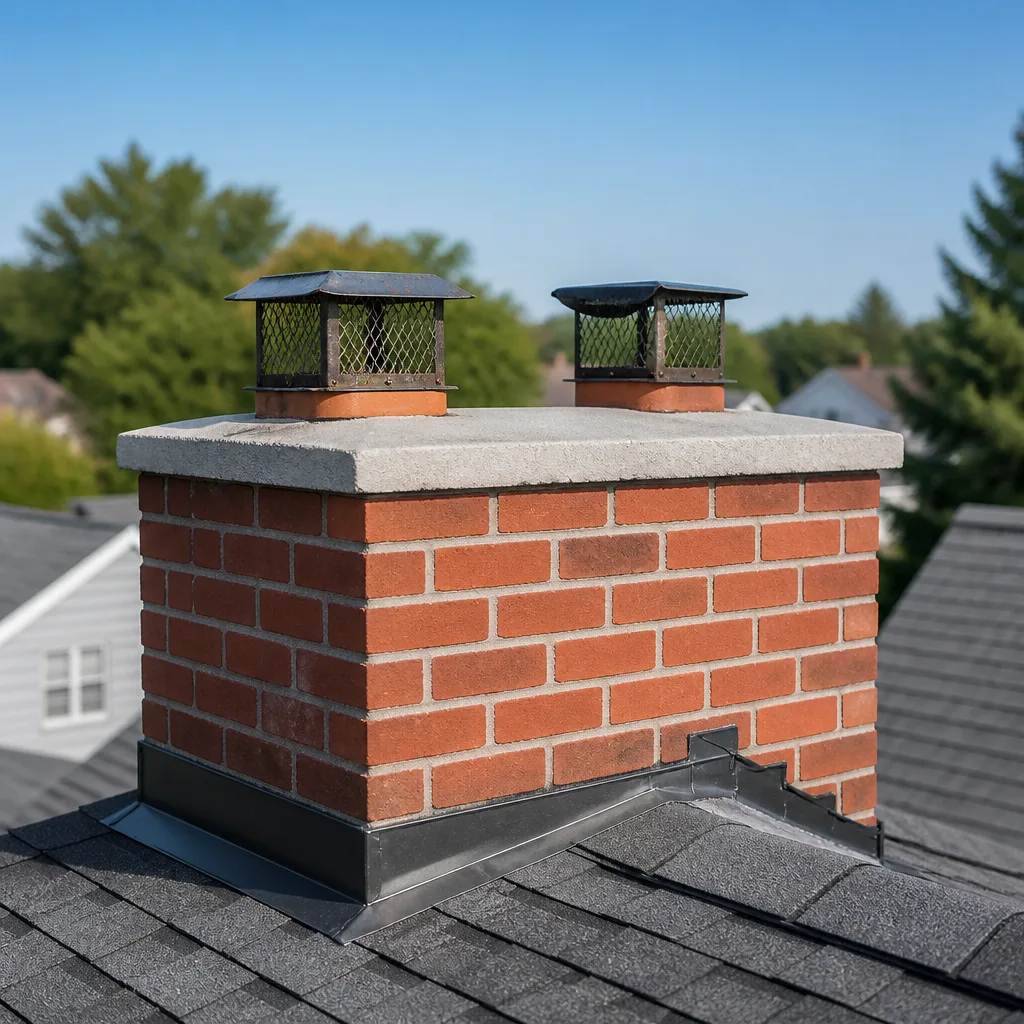
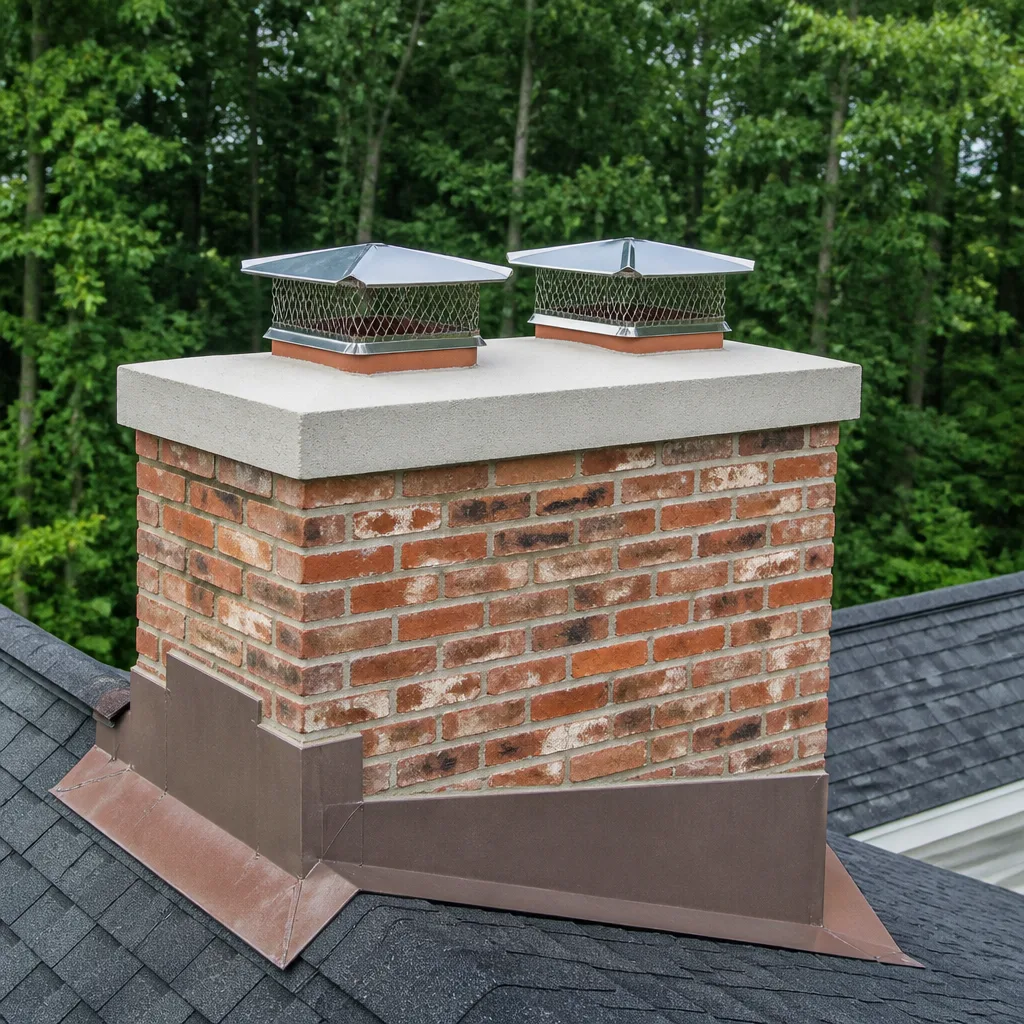
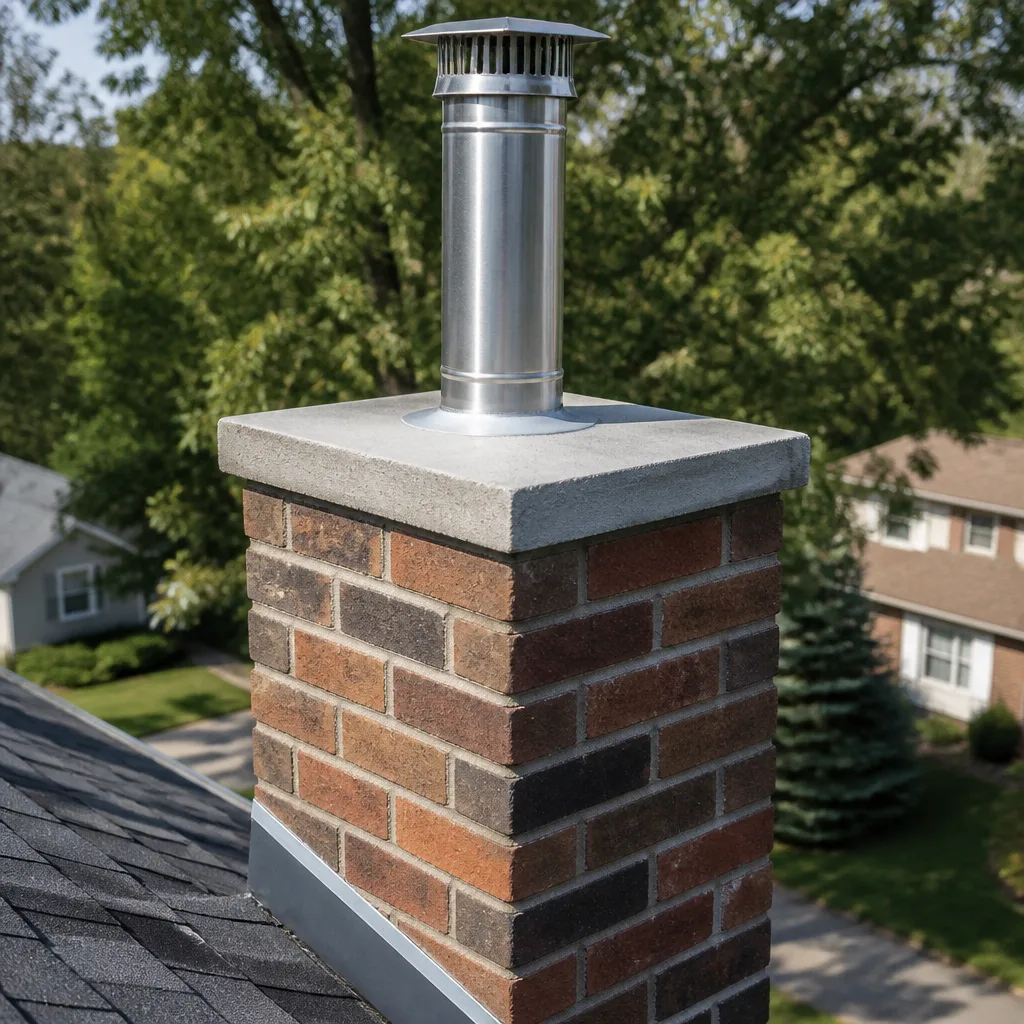
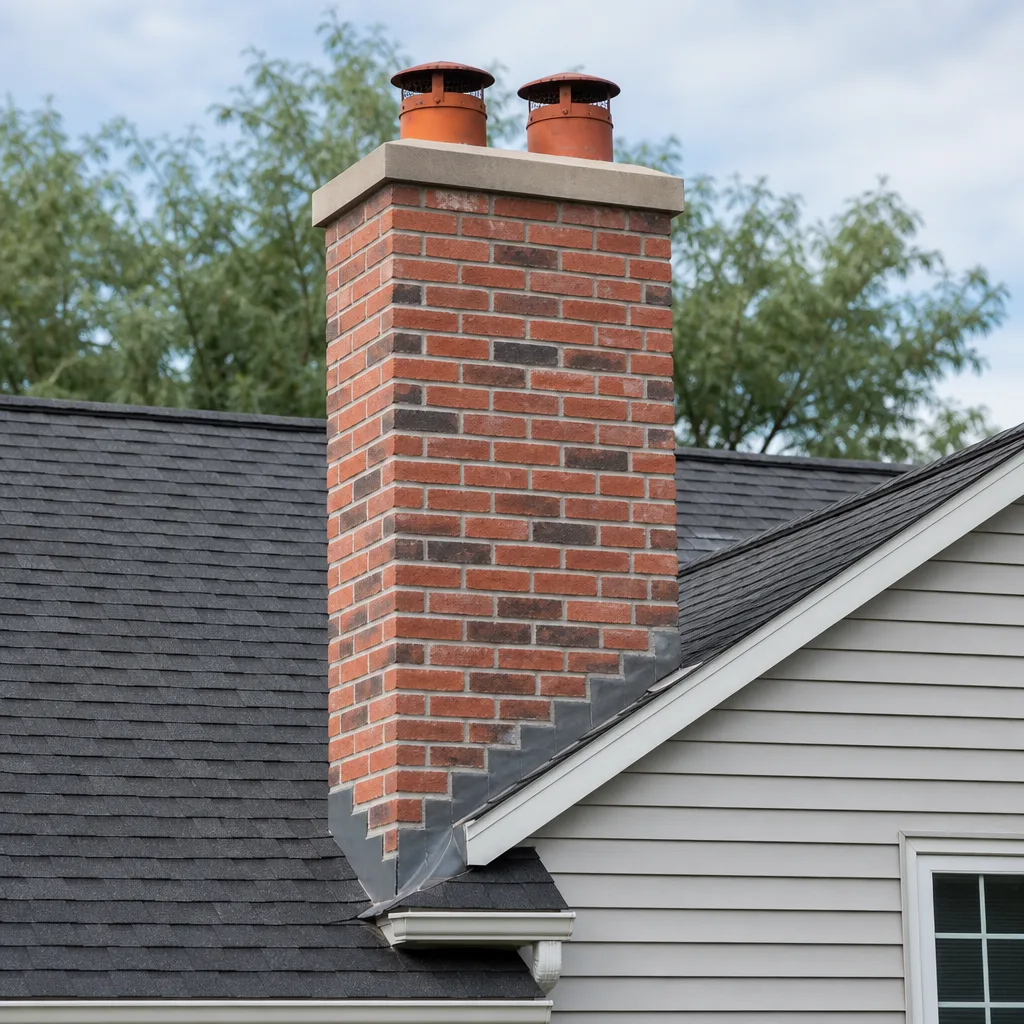
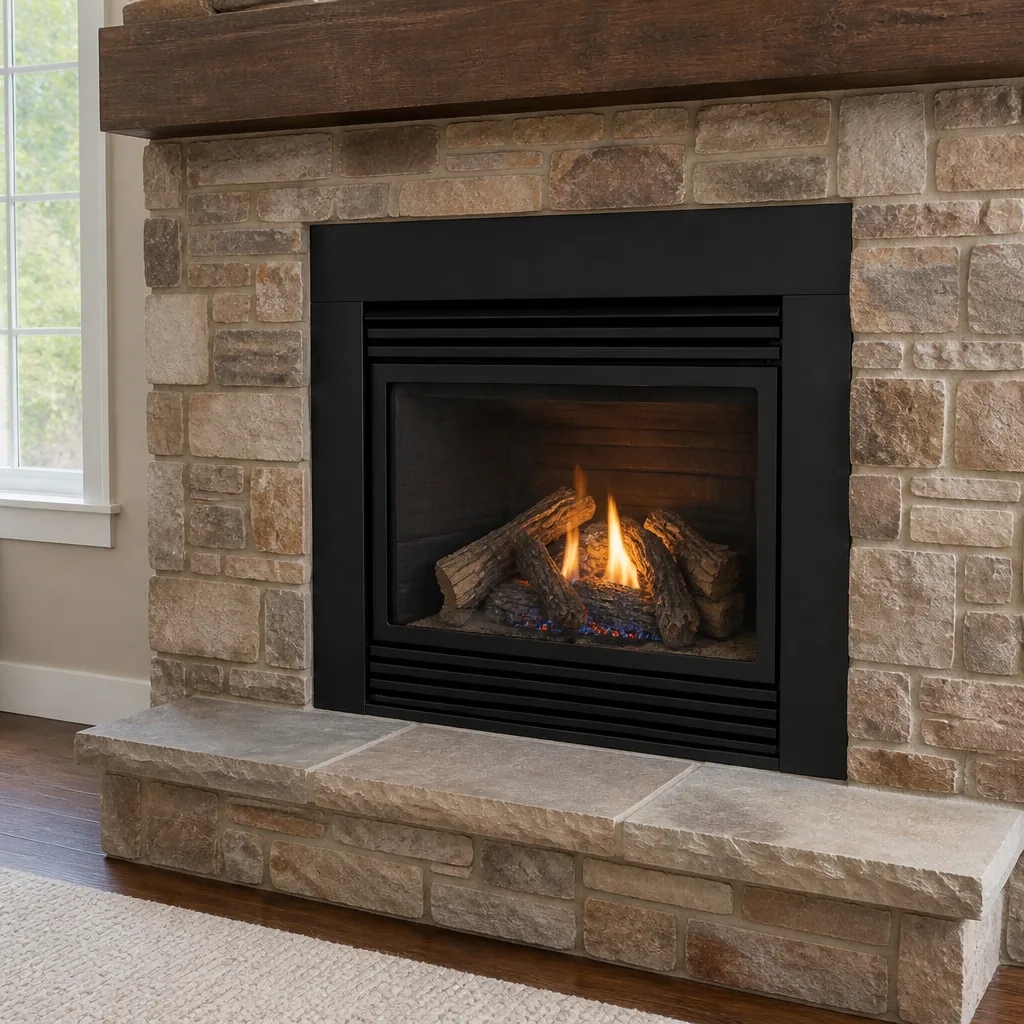
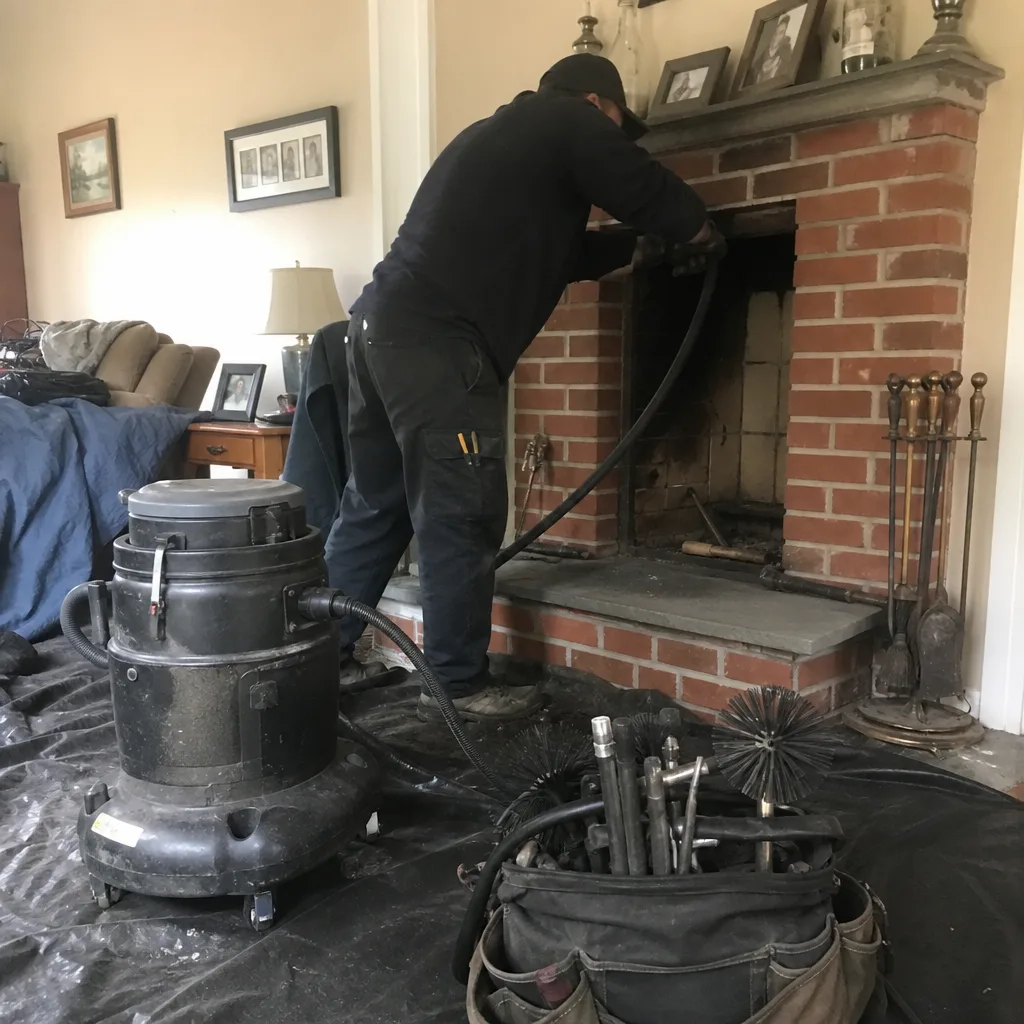 Before
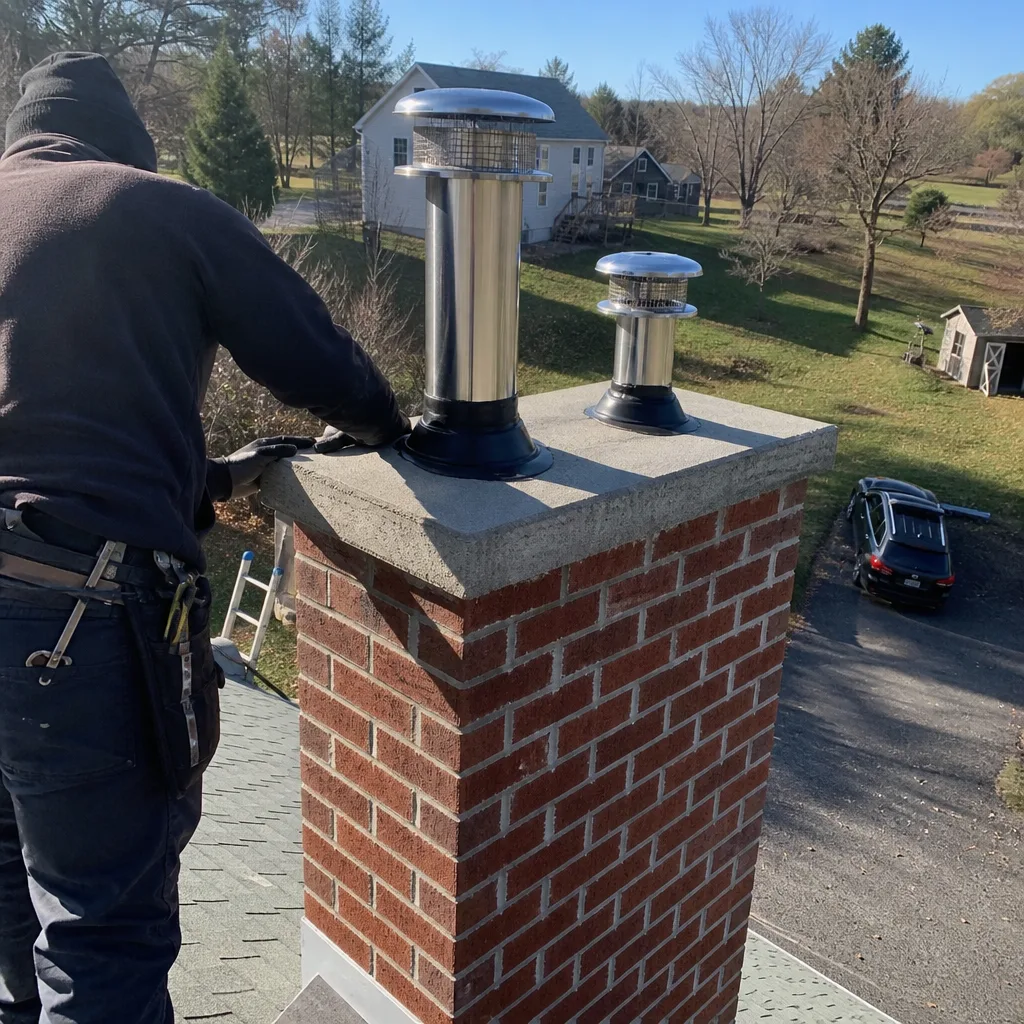 After
After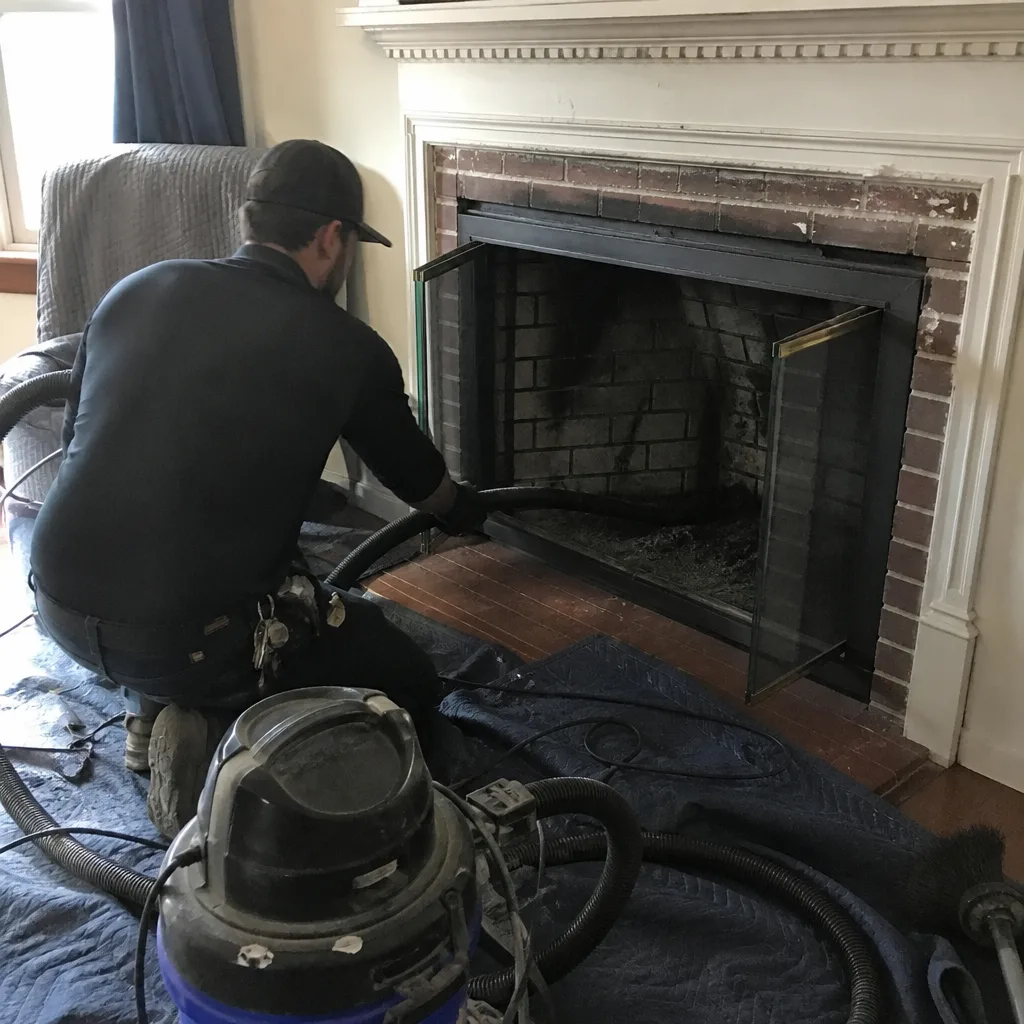 Before
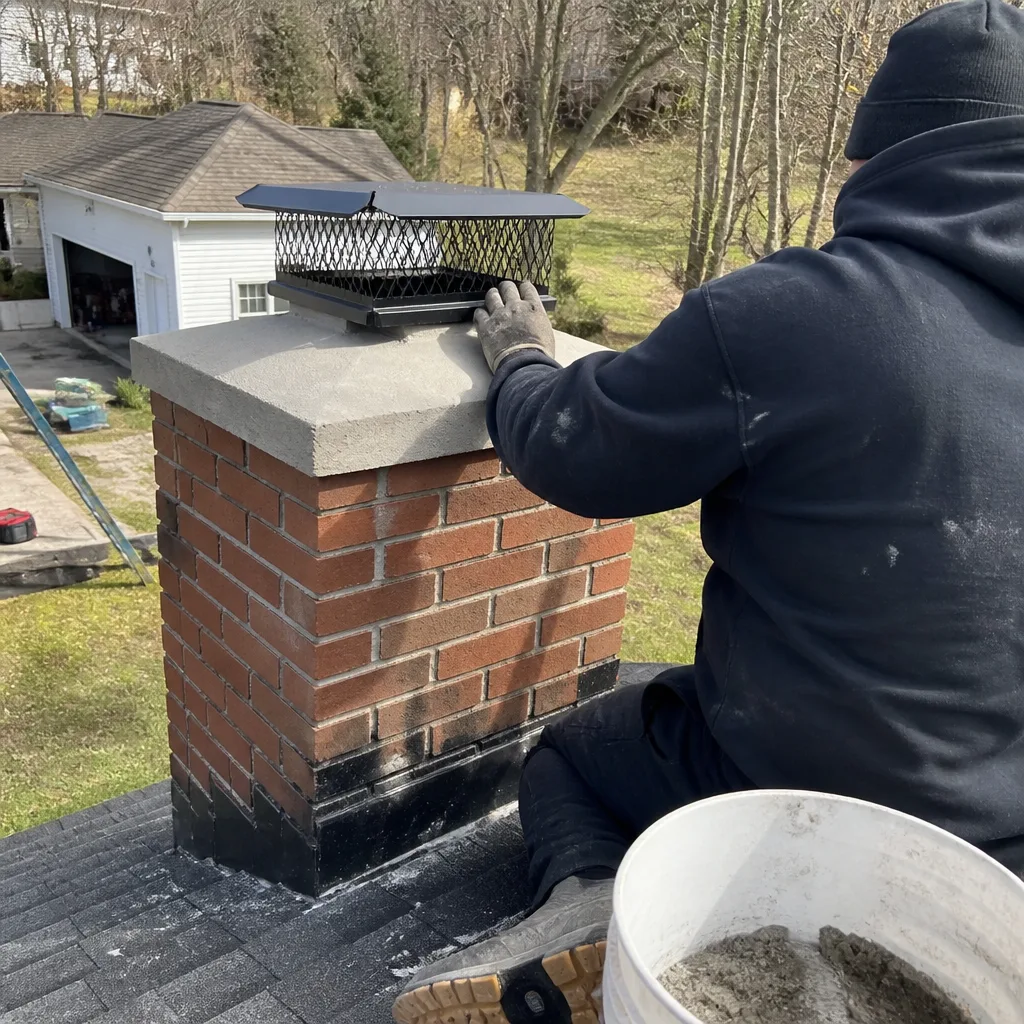 After
After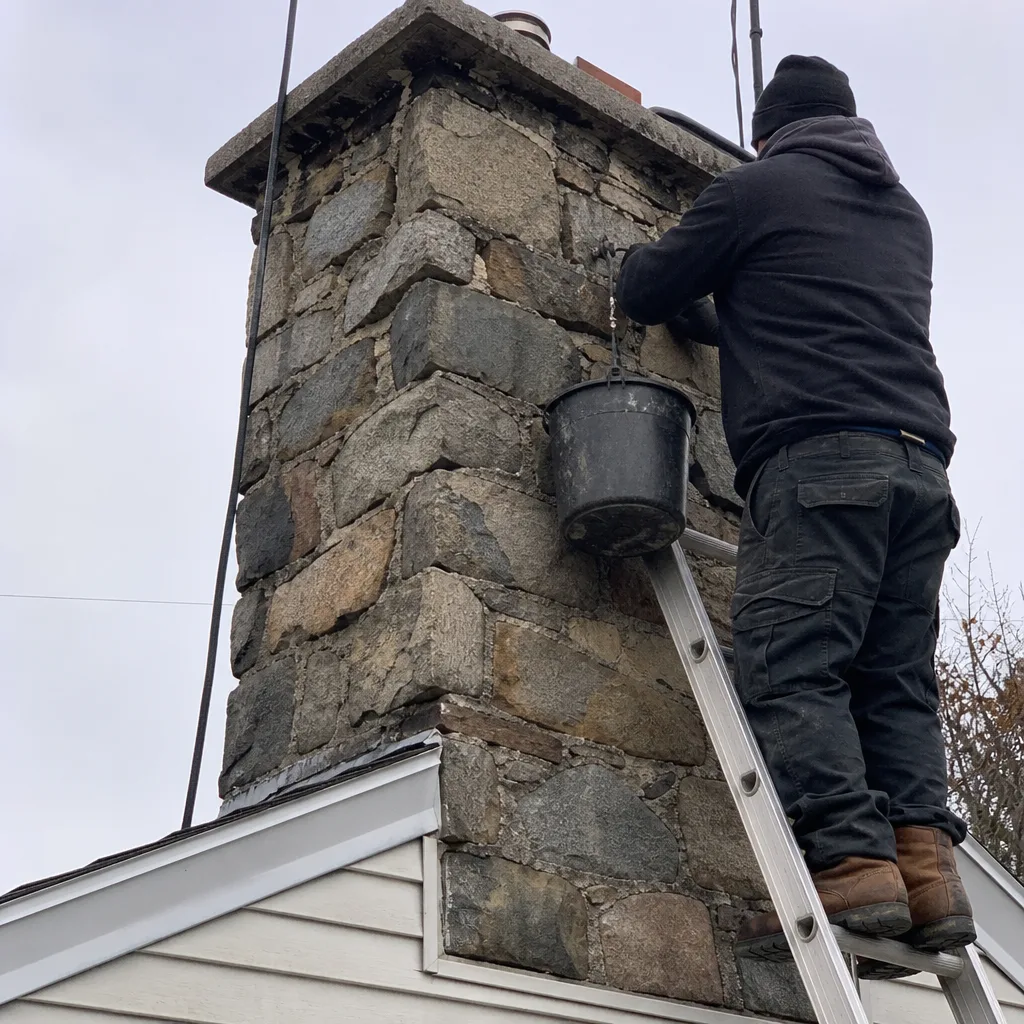 Before
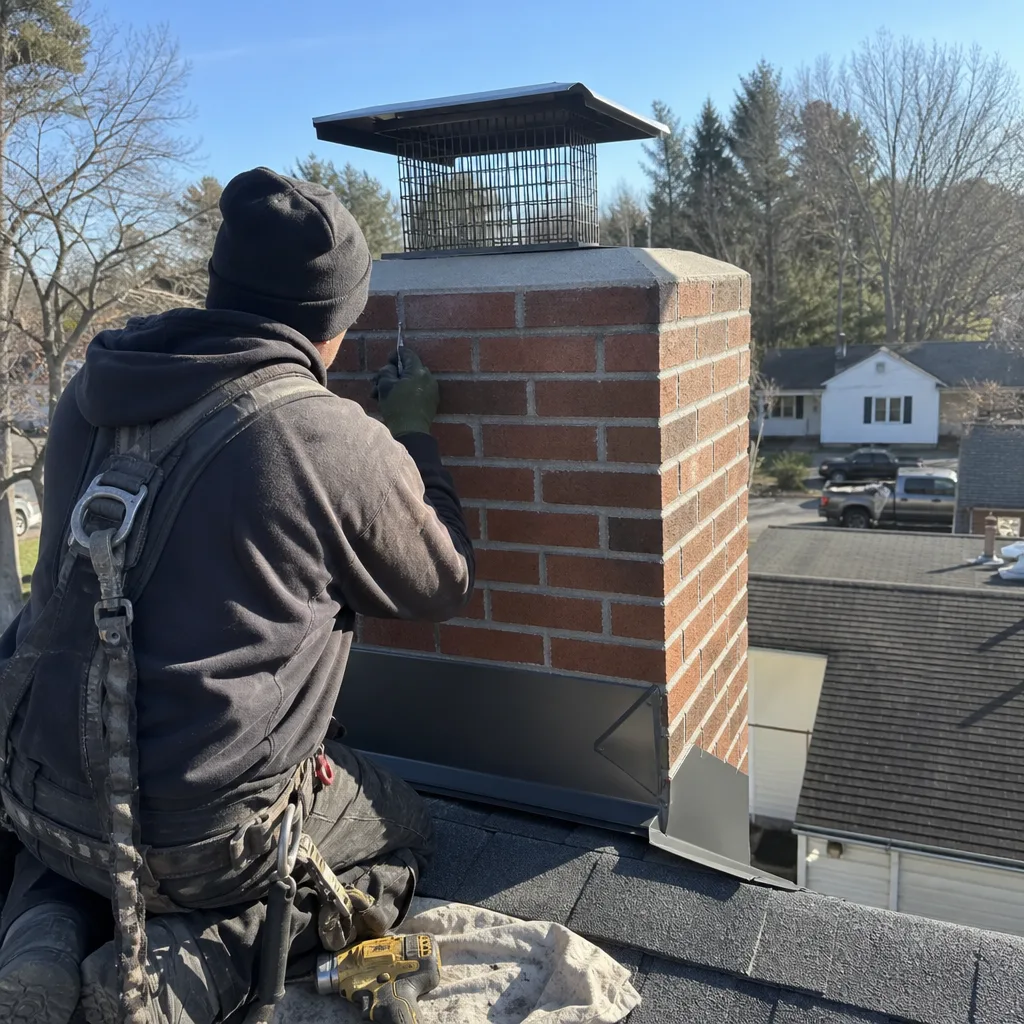 After
AfterChimney Cleaning & Sweep Maintenance Checklist for Torrington Homeowners
There are about six things a homeowner can check on their own chimney that actually matter, and about forty things on the internet that don’t. Most maintenance guides for Torrington homes pad the list with busywork so they look thorough. They tell you to inspect your damper cable tension and measure your firebrick with a feeler gauge. That’s noise. What actually keeps a chimney safe through a Connecticut heating season is simpler than that, and it starts with knowing the difference between what you can see from the living room floor and what requires a trained eye with a camera. This guide draws that line clearly, built around the specific conditions Torrington homeowners deal with from October through April.
Quick Answer
A chimney maintenance checklist for Torrington homeowners should include six items: checking the firebox floor for debris and cracked brick before the season, looking at the cap and crown from the ground with binoculars, noting any new staining or dampness around the hearth or upstairs walls, tracking how often you burn and what you burn, calling for Chimney Cleaning & Sweep services and inspection once a year regardless of use, and knowing when a creosote or liner issue needs a certified repair rather than a simple cleaning.
Table of Contents
- The Torrington Seasonal Calendar: What to Check and When
- Before the First Fire: The Firebox Floor Check
- The Cap and Crown Check You Can Do From the Ground
- What Wendell and His Crew Look For That You Can’t
- How to Log Your Burn Habits (And Why It Speeds Everything Up)
- Where the Line Is: Homeowner Tasks vs. Sweep-Required Tasks
- Common Mistakes to Avoid
- When to Call a Professional
- Frequently Asked Questions
- The Bottom Line
The Torrington Seasonal Calendar: What to Check and When
Torrington sits in Litchfield County, which means heating season runs roughly from mid-October through late April. That’s six months, give or take, not the four-month season the national checklists assume when they’re written for houses in Ohio or Pennsylvania. Our winters are damp. The Naugatuck River valley holds moisture, and the freeze-thaw cycle up in the Harwinton hills beats on exterior masonry in a way that flatland climates never see. Your chimney doesn’t just collect creosote; it soaks up water, freezes, cracks, and repeats the cycle about forty times a winter.
Here’s what that calendar actually looks like for a Torrington homeowner, month by month.
- September: Walk the outside of the house. Look at the cap and crown from the ground. Check the firebox floor. Book your annual sweep if you haven’t already. This is the busiest month for chimney cleaning and sweeping in Torrington, and the crews fill up fast once nights dip below forty.
- October: Burn your first fire. Watch the smoke behavior. If it spills into the room instead of drawing up, stop burning and call. That’s not a normal first-fire smell; that’s a drafting problem.
- November through February: Burn as usual. Once a month, glance at the exterior from the ground. Look for new cracks in the crown, a cap that’s shifted, or efflorescence (white mineral staining) appearing on the brick. Also check upstairs ceilings and walls near the chimney for any dampness or discoloration.
- March: Check for interior water stains. The late-winter thaw hits hardest in Torrington because daytime temps climb above freezing while nights still drop hard. That’s when water intrudes, freezes in place, and does its damage.
- April through August: The off-season. If you’ve been burning all winter, schedule a sweep now. Chimney sweeps in Torrington are less slammed in spring, and you’ll walk into fall with a clean flue. Also, inspect the exterior after the snow’s gone. Winter is rough on mortar joints.
The general rule: once a year, burn or no burn. Chimneys break in the off-season too. Water gets in, animals nest, and a flue that sat empty for eight months can be just as dangerous as a heavy-use one.
Before the First Fire: The Firebox Floor Check
This is the one check every Torrington homeowner should do before the first fire of the season, and it takes about ninety seconds. Here’s what to look for from the firebox floor, and what each sign actually means.
- Loose or separated firebrick. If the floor bricks wiggle or show gaps wider than a nickel, the firebox has been flexing. This is more common in older Torrington homes where foundations have settled over decades. Loose firebrick means heat can reach the framing underneath. That’s a repair call, not a brush job.
- White or gray powdery residue. Ash is normal. A crusty white mineral deposit is not. That’s moisture working its way through the masonry, often from a cracked crown or missing cap. It tells us water is getting in above the firebox.
- Rust on the damper or firebox floor. Moisture is pooling somewhere. The damper is the first thing to rust because it’s the first metal component inside the chimney. Rust on the floor suggests water comes down the flue itself.
- Shiny black buildup on the walls. That’s third-degree creosote, the glaze type. First-degree creosote is a brush job. Third-degree is a glaze: it’s hardened, it’s flammable, and it requires chemical treatment or mechanical removal. This is the stuff that causes chimney fires.
- Dull black soot that flakes easily. That’s first-degree creosote. It’s normal and expected. A good sweep removes it. But if it’s more than a quarter inch thick anywhere, you should get the chimney swept before lighting a fire.
One important safety note: never scrape at creosote yourself with anything sharp. Scratches in the flue liner create places for creosote to catch and build up faster. And if you suspect a chimney fire has already occurred, do not use the fireplace until a professional has inspected the flue from top to bottom.
The Cap and Crown Check You Can Do From the Ground
You don’t need a ladder. You don’t need to get on the roof. In fact, we prefer you stay on the ground. Use a pair of binoculars, or just look carefully. Here’s what you’re actually looking for.
The cap sits on top of the flue and keeps rain, snow, and animals out. The crown is the concrete slab that seals the top of the chimney structure around the flue. Both of them take a beating in Torrington winters. Here’s the ground-level checklist.
- Look at the cap. Is it sitting level? If it’s tilted or missing, the flue has been exposed. A missing cap is an open invitation for rain, leaves, and squirrels. In Torrington, squirrels in chimneys are a regular call from September through November.
- Check the crown. Can you see cracks from the ground? Big cracks, hairline cracks, or missing chunks mean water is getting into the brick below. Crown cracks only get worse. Freeze-thaw cycles in Litchfield County will turn a hairline crack into a finger-wide gap in two winters.
- Look at the flashing. The metal skirt where the chimney meets the roof. From the ground, you’re checking for daylight gaps or obvious lifts. Rusted flashing leaks. If your ceiling inside the house shows water stains near the chimney, flashing is usually the first suspect.
- Check the brick itself. Is it spalling? Spalling means the brick face flakes off in sheets or chunks. This is water damage. The brick soaks up moisture, freezes, and the face pops off. Spalling brick on a Torrington chimney almost always points to a larger water ingress problem.
- Look for white staining. Efflorescence, the white mineral deposit, shows water is migrating through the masonry. It’s not just cosmetic. It means the chimney is wet inside the structure.
If any of these checks reveal a problem, take a photo with your phone. If you’re on the fence, we’ll look at the photo and tell you straight whether it needs a visit. The camera footage and a plain-English verdict, every time, no exceptions.
What Wendell and His Crew Look For That You Can’t
Here’s the part every national franchise skips in their online guide because they don’t want to scare you. But you deserve to know. There are things inside your chimney that no homeowner can see from the ground or the firebox, and they’re the things that keep Torrington houses standing.
When Wendell shows up at a Torrington home, he brings a camera. Not a mirror, not a flashlight. A camera that goes all the way up the flue, every single time. That footage belongs to you. You watch it. You see what he sees. Here’s what the camera catches that you never could.
- Hidden creosote glaze behind the damper. The damper shelf is where creosote builds up first. It’s invisible from the firebox floor. A camera reveals exactly how thick it is and whether it’s the brushable first-degree or the dangerous third-degree glaze.
- Damaged flue tiles. A cracked or shifted clay tile liner is the single most common reason homes in older Torrington neighborhoods need a chimney repair. You can’t feel a cracked tile from the firebox. But the camera shows the gap, and that gap is where heat reaches the wood framing.
- Animal nests. Squirrels and birds are common in Torrington chimneys. A nest blocks the flue. When you light a fire, the smoke has nowhere to go but back into your living room. Or worse, the nest catches fire. The camera shows nests, bodies, and the debris they leave behind.
- Liner deterioration. Clay liners erode over time. The camera catches pitting, cracking, and spalling inside the flue. If it’s bad enough, we’ll recommend a liner, and when we do, we’ll show you exactly why on the footage. We use products from Gelco, Olympia Chimney, Famco, and Copperfield depending on the house.
Your flue doesn’t care how the fire looks. It cares how it breathes. And the only way to know how it’s breathing is to look inside it with a camera.
How to Log Your Burn Habits (And Why It Speeds Everything Up)
Here’s a genuinely useful thing you can do all season long, and it costs nothing. Keep a simple burn log. Not a journal. Not a spreadsheet with formulas. A note on your phone or a piece of paper stuck to the fridge.
Here’s what to track.
- How many fires per week. Three fires a week versus three fires a day changes the creosote picture entirely. A heavy burner’s flue coats differently than a weekend burner’s.
- What you burn. Seasoned hardwood? Softwood? Pallets? Construction scraps? In Torrington, plenty of folks burn whatever they can get from the yard. But burning pine or unseasoned wood doubles the creosote buildup in the same number of fires. Write down what you’re burning.
- Any odd smells or smoke behavior. If the living room smells smoky after the fire’s out, or if the fire struggles to draw on certain days, write it down. These are clues for the sweep.
- Chimney cleaning history. The date of your last sweep. It takes ten seconds to record, and it’s the first question Wendell asks.
Why this matters. When you call Top Hat Chimney and Wendell asks, “How much do you burn?” the person who says “A few times a week, mostly oak, nothing unusual” gets a faster, more accurate read than the person who says “I don’t know, you know, the normal amount.” The burn log turns a guess into data. It helps the sweep know where to look first. It catches shifts in creosote patterns that signal a drafting problem. And it means you’re not paying for a more involved inspection than your usage actually calls for.
Where the Line Is: Homeowner Tasks vs. Sweep-Required Tasks
Most generic maintenance guides blur this line on purpose, so they can pressure you into calling someone for everything. That’s not how we operate. Here’s the honest division.
What you can and should do yourself:
- Check the firebox floor for debris, cracked brick, and rust before the season.
- Inspect the cap, crown, and flashing from the ground with binoculars.
- Track your burn habits all season.
- Clear away any leaves, branches, or debris from the base of the chimney outside.
- Test your damper: does it open and close fully? Does it seal tightly?
- Check your smoke and carbon monoxide detectors. Replace batteries in September.
What requires a professional sweep:
- Removing creosote of any grade. First-degree is a brush job. Third-degree is a glaze removal. Both require a certified sweep with the right tools.
- Inspecting the flue interior with a camera. No homeowner can do this.
- Repairing a liner, crown, cap, damper, or firebrick. These are chimney repairs, not maintenance tasks.
- Resolving drafting problems. If smoke spills into the room, it’s not a matter of opening a window. It’s a flue or cap issue.
- Removing animal nests or dead animals from the flue. Do not attempt this. Animal nests can harbor Histoplasma and other pathogens. This is a professional job.
Here’s the safety note that matters for Torrington homeowners. A chimney is an enclosed system that carries fire byproducts out of your house. When it fails, it fails as carbon monoxide poisoning or a chimney fire. Neither of those gives you a warning. Never attempt to clean your own flue with a store-bought brush. It won’t reach the full liner, and it gives you false confidence. The only safe sweep is one that uses camera verification. Anything else is a guess.
If you’re in Torrington, chimney repair in Torrington starts with a camera inspection, not an estimate. And for anything fireplace-related, from gas logs to wood stoves, fireplace services in Torrington cover the full range. Our Top Hat Chimney home page has the full story on how we work.
Common Mistakes to Avoid
- Skipping the annual sweep because “we barely used the fireplace this year.” Creosote doesn’t care how many fires you burned. It cares about how you burned, what you burned, and the condition of the flue. An unused chimney can have animal damage, water intrusion, and deteriorating mortar. Once a year, burn or no burn.
- Relying on the visual check from the firebox floor only. You can see maybe eighteen inches up a flue from the floor. That leaves about twenty-five feet of liner you can’t see at all. The camera is the standard, and anything less is guesswork.
- Burning unseasoned wood from the yard. Fresh-cut wood is wet wood. Wet wood smolders, and smoldering wood create creosote at a rate that will shock you. Torrington yards do not produce seasoned firewood in six months. It takes a year or more, stacked and split, to dry properly.
- Closing the damper before the fire is completely out. You’re trapping smoke and carbon monoxide inside the house. The coals need to go dead cold before that damper gets shut. If you’re not sure, wait another hour.
- Assuming a cracked crown or cap can wait until spring. It cannot. Winter is exactly what turns a small crack into a major masonry repair. Water freezes, expands, and does a year worth of damage in one night. When you see damage in October, call in October.
- Hiring the cheapest sweep without checking a license. A chimney sweep in Connecticut works inside a system that, when done wrong, burns a house to the ground. This is not a place to save fifty dollars. Wendell’s license number is on every invoice in Torrington, and he’ll run into you at the hardware store on Saturday.
- Ignoring a water stain on the ceiling near the chimney. That stain is not condensation. It means water is getting in somewhere, and the chimney is the first suspect. Every season you wait, the repair gets more expensive.
When to Call a Professional
Call a professional when you see third-degree creosote glaze on the firebox walls, when smoke spills into the room instead of drawing up the flue, when you see water staining on the ceiling or walls near the chimney, when the cap or crown is visibly cracked or missing, when you hear animals in the flue, or when your last sweep was more than twelve months ago and you plan to burn this season. Also call if you’ve just bought a home in Torrington and have no idea what the previous owner did, or didn’t do, with the chimney. Top Hat Chimney offers free estimates in Torrington. Call (860) 744-2656 and talk to a live person, any hour, any day. It may well be Wendell himself picking up.
Frequently Asked Questions
A standard chimney sweep in Torrington typically runs between $150 and $250 for a single flue with no major issues, depending on the level of creosote and the height of the chimney. Additional fees may apply for glaze removal, animal removal, or camera inspection add-ons. Top Hat Chimney gives you no-hassle upfront pricing before a single tool comes off the truck, and the number you hear on the phone is the number on the invoice. Call (860) 744-2656 for an exact quote, estimates are free.
Once a year, at minimum, for any chimney that is used at all. The National Fire Protection Association standard, which we follow, is that chimneys should be swept whenever creosote buildup reaches one-eighth of an inch or more. In Torrington, where burning season runs six months, that threshold is usually reached within a single winter for moderate burners.
Maybe you do. Maybe you don’t. Here’s the difference: we will never recommend a liner without showing you the camera footage of the existing one failing. You watch the video. You see the cracks, the gaps, the deterioration. If the liner is sound, we’ll tell you that plainly and you’ll pay for a sweep, not a liner. That’s the entire point of a locally owned company where the owner’s name is on the invoice. Wendell has been serving Torrington since 1999, and his reputation is built on telling people when the job does not need doing.
Creosote builds up, and either it catches fire or it doesn’t. If it ignites, you have a chimney fire, which can spread to the roof structure in minutes. If it doesn’t ignite, the creosote and moisture combine to corrode the liner, which eventually allows carbon monoxide to seep into the house. Both outcomes are preventable with a yearly sweep and inspection. It’s the cheapest fire insurance in Torrington.
You shouldn’t. A store-bought brush reaches only the bottom of the flue and gives you a false sense of security. The dangerous creosote glaze and liner damage live where you can’t reach. Also, sweeping without a camera afterwards violates the fundamental rule: verify the work. We use professional equipment and chimney cleaning and sweep methods that are proven in Torrington homes. Don’t gamble on a chimney. Call a professional.
September, before the rush, or April, after the season ends. September allows you to close out the year knowing the flue is clean for the first fire. April gets you ahead of the fall booking crunch and means you catch any winter damage early. Both windows have better availability for sweeps in Torrington. Top Hat Chimney is staffed by a live person twenty-four hours a day, so you can call and book whenever it crosses your mind.
The Bottom Line
A chimney maintenance checklist for Torrington homeowners comes down to six real checks: the firebox floor, the cap and crown from the ground, the interior ceiling near the chimney, your burn log, your CO and smoke detectors, and one annual call to a licensed sweep with a camera. That’s it. Everything else is padding. Do the six things, burn seasoned wood, and your chimney will serve you for thirty years. For more guides & resources, visit our blog. Skip them, and the house will tell you in unmistakable terms. Top Hat Chimney has been sweeping and repairing chimneys in Torrington since 1999, and every job is backed by the 90-Day Done Right Promise in writing. Call (860) 744-2656 for a free estimate and a straight answer. We’re the ones who run into you at the hardware store on Saturday.
Written by Wendell Pike, Owner at Top Hat Chimney, serving Torrington since 1999.